Leave Your Message

Blog

How to Choose the Best Patient Monitor Supplier

How to Choose the Best Patient Monitor Supplier

Choosing the right Patient Monitor Supplier? Yeah, it matters more than you might think. It shapes clinical confidence, response time, and the long-term cost of running your department. So this decision deserves way more than a glossy brochure and a smooth sales pitch. A reliable supplier should have real, hands-on experience in hospitals, emergency departments, and mobile care. Ask for installation records, training plans, service response times, and verified product specs. A strong Ambulance Patient Monitor Supplier should also be able to talk through battery performance, screen visibility, alarm clarity, and how the monitor holds up while moving. And definitely request a live demonstration. Watch how quickly staff can read oxygen saturation, blood pressure, and ECG data. Dr. Peter Pronovost, a respected patient-safety expert, once said, “We need to make it easy to do the right thing.” That idea fits monitor selection perfectly. The best supplier supports simple workflows, clear documentation, and dependable maintenance. Look for appropriate quality certifications, traceable testing, cybersecurity controls, and warranty terms that don’t leave you guessing. Don’t accept vague promises. Ask who actually answers the service call at 2 a.m. Ask how replacement sensors arrive during a supply shortage. Price still matters—of course it does. But it’s not the whole story. A cheaper device can create hidden costs through downtime, retraining, or accessories that don’t play nicely together. Compare total ownership costs over several years. And talk with current users, not only sales representatives. Their experience may reveal some uncomfortable details. That’s useful. No supplier is perfect. Even a reputable company can have delays or communication gaps. This guide helps buyers assess evidence, question assumptions, and choose a Patient Monitor Supplier that performs reliably when every reading matters.
Read more »
Sophie By:Sophie - October 16, 2026
2026 Top ICU Monitor Types for Global Buyers?

2026 Top ICU Monitor Types for Global Buyers?

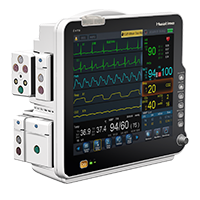
Picking an ICU monitor in 2026? It’s not just about screen size, parameter lists, or price tags. Global buyers have to think about how the technology fits daily clinical routines, staff training, infrastructure, and local service support. A busy emergency department usually needs fast, clear waveform visibility. A rural hospital, though, may care more about durable design, simple operation, and battery life you can actually depend on. Dr. William Knaus once described the ICU as “a hospital within a hospital.” That idea still holds up. Philips, GE HealthCare, Mindray, Nihon Kohden, and Dräger all take different routes to bedside monitoring, transport monitoring, central stations, and modular platforms. But brand reputation alone won’t tell you much. Buyers should look closely at alarm behavior, ECG accuracy, SpO2 performance, invasive pressure support, data export, cybersecurity, and whether replacement parts are easy to get. Small details matter. A 12 Inch Icu Semi-Modular Model Patient Monitor might be a good fit for a step-down unit, an ambulance team, or a compact ICU bay. Bigger systems can offer richer multi-patient views, but they may also mean more training and higher maintenance costs. This guide compares major ICU monitor types for global buyers—fixed bedside, transport, telemetry, modular, and networked solutions. We’ll focus on practical procurement evidence, not just polished brochures. That said, no single ranking works for every hospital. A technically advanced monitor can still disappoint if alarms are poorly configured or technicians don’t get enough support. Specs can also hide limitations. So ask for demonstrations, review clinical workflows, and test connectivity before you sign anything. The best choice is rarely the most expensive one. It’s the system your clinicians can trust on a quiet night—and when everything suddenly goes sideways.
Read more »
Sophie By:Sophie - October 11, 2026
Best Anesthesia Monitor in 2026 for Global Buyers?

Best Anesthesia Monitor in 2026 for Global Buyers?

Choosing the best Anesthesia Monitor in 2026? It’s not just a matter of screen size, price tag, or brand name. In the OR, hospitals need dependable data through induction, maintenance, and recovery—simple as that. A modern anesthesia monitor should show oxygen saturation, capnography, non-invasive blood pressure, ECG, temperature, and anesthetic-agent trends without making you wait for the numbers. The WHO’s Global Patient Safety Report 2024 is pretty sobering: roughly one in ten patients is harmed during healthcare, and more than half of that harm could be prevented. That’s why monitoring performance is a clinical issue, not just a purchasing checkbox. MarketsandMarkets’ Anesthesia Monitoring Devices Market research also points to continued growth through 2028, fueled by surgical demand, aging populations, and wider monitoring needs. But market growth doesn’t automatically mean better decisions at the bedside. Data quality still comes down to sensor placement, alarm settings, staff training, and maintenance. No monitor is perfect. And that matters. Dr. Atul Gawande, surgeon and patient-safety researcher, once wrote, “We have not yet found a way to make surgery safe for everyone.” That observation still hits home for anesthesia technology. A monitor can flag falling oxygen saturation, a dampened waveform, or rising end-tidal carbon dioxide. What it can’t do is replace clinical judgment. So in 2026, global buyers should dig into regulatory records, independent evaluations, cybersecurity disclosures, service networks, and total ownership costs. A cheap device can get expensive fast when probes fail, software updates stop, or tech support isn’t there. The strongest choice isn’t always the fanciest model. It’s the monitor clinicians can read quickly, trust consistently, and maintain safely in real operating rooms. And honestly? That assumption deserves challenge.
Read more »
Lila By:Lila - October 7, 2026
10 Tips for Choosing an Emergency Patient Monitor?

10 Tips for Choosing an Emergency Patient Monitor?

Choosing an emergency patient monitor isn't just about picking out some gadget — it's a serious clinical decision. In emergency rooms, every second counts, right? A clear waveform, a reliable alarm, and a responsive battery can make all the difference in what happens next. I’ve put together this guide with 10 practical tips to help you evaluate things like screen visibility, measurement accuracy, mobility, connectivity, and support services. Dr. Mark R. Chassin, a well-known expert in patient safety, famously said, 'Patient safety is a property of systems, not individuals.' That really hits home when it comes to patient monitors. The device needs to support nurses and doctors without adding to alarm fatigue or causing confusion. So, pay close attention to how the ECG, SpO2, NIBP, temperature, and optional EtCO2 functions perform. And don’t forget to test how readable the interface is under tough lighting conditions—those little details really matter. For instance, a 10 Inch Multi Parameter Patient Monitor can be a great fit for busy spots like crowded ERs, ambulances, or bedside triage. But don’t judge just by screen size alone — consider battery life, IP ratings, data export options, alarm customization, and how well it plays with your hospital’s existing systems. It’s smart to compare brands like Philips, GE Healthcare, and Mindray, but always check the latest specs yourself because marketing language can sound reassuring but doesn’t tell the whole story. Our advice? Hands-on testing, gathering staff feedback, reviewing maintenance records, and making sure tech info is clear and transparent. Because here’s the thing: even the most advanced monitor isn’t useful if it doesn’t fit your department’s needs. Training gaps, messy cable setups, or unclear alarm sounds can seriously undermine a good device. It’s not always about having the newest tech — it’s about choosing carefully to reduce risks and support safer emergency care for everyone involved.
Read more »
Lila By:Lila - October 4, 2026
Why Choose a Fetal Heart Monitor for Your Clinic?

Why Choose a Fetal Heart Monitor for Your Clinic?

Picking out a fetal heart monitor isn't just about specs like screen size or how much it costs—it's more about what actually works well in your clinic. Think about how many patients you see, how many rooms you have, and your usual routines. Some clinicians might focus on how clear the sound is, how comfy the probe feels, whether the display is easy to read, battery life, and how simple it is to clean. Those small things really add up—like a dim screen or a tangled cable can hold up even the most hectic appointments. A good monitor helps trained staff pick up and record fetal heart sounds accurately, but it’s not a magic solution. It doesn’t replace good clinical judgment, a full exam, or follow-up if something seems off. The way you position the probe, how far along the pregnancy is, patient movements, and background noise can all mess with what you hear. So, clear instructions and proper staff training matter just as much as the device itself. And don’t forget to check the manufacturer’s guidelines for how to operate and maintain the monitor, and what its limitations are. Looking online for the “Best Fetal Heart Rate Monitor” can seem pretty straightforward. But honestly, the best choice really depends on your clinic’s specific needs and how confident your team is using the equipment. Ask yourself if the readings are easy enough to review quickly, if there are accessories you might need, and how good the support is if something goes wrong. Sometimes, a quick demo can tell you more than a shiny product brochure. And let’s be real—nothing’s perfect. No single feature guarantees perfect results. So, it’s all about balancing usability, evidence, and how well it fits into your daily workflow.
Read more »
Clara By:Clara - September 30, 2026
How to Choose a Patient Monitor for Your Hospital?

How to Choose a Patient Monitor for Your Hospital?

Picking out the right patient monitor isn’t just about comparing screen sizes or fancy features — it’s really about how well it works in the actual clinical and operational terms. Basically, you want a system that reliably shows vital signs clearly, helps you respond quickly, and fits smoothly into your hospital’s routine. For example, a monitor next to a calm recovery bed probably doesn’t need the same bells and whistles as one in a hectic ICU. Small details like these really do count. And here’s the thing: evidence backs this up. Back in 2014, a study published in PLOS ONE by Barbara J. Drew and her team looked closely at alarms from physiologic monitors across 461 ICU patients over a month. Drew, who’s an expert in cardiac monitoring and nursing, pointed out that alarm fatigue is a pretty big problem in hospitals. The takeaway? Just because a monitor sounds more alerts doesn’t automatically mean patient safety is better. Things like alarm setup, signal quality, staff training, and escalation procedures need to be looked at carefully, along with the specs of the device itself. When you’re comparing different monitors, think about what parameters they cover, how easy the screens are to read, how you control alarms, battery life, how easy they are to clean, their network compatibility, and what kind of support you can get. It’s also smart to have clinicians actually test the interface right at the bedside — and that includes during nighttime, when lighting’s dim and patients are moving around. For instance, a 10 Inch Multi Parameter Patient Monitor might fit some wards, but size alone isn’t enough to decide if it’s clinically the right choice. Make sure readings are still easy to interpret, and that staff can respond to alarms easily, without a lot of unnecessary steps. No monitor is perfect, of course. It’s important to clearly define what your hospital needs, involve the people working on the front lines, and actually see demos before making a call. And keep in mind — choosing a device often involves some trade-offs. So, it’s worth being honest with yourself and doing a thorough review of all these aspects before making a decision.
Read more »
Clara By:Clara - September 26, 2026
Top 10 Modular Patient Monitors for Global Buyers?

Top 10 Modular Patient Monitors for Global Buyers?

Picking the right modular patient monitor isn’t just about comparing screen sizes, features, or price tags. For buyers around the world, it’s also about how well it fits into the clinical workflow, how easily alarms can be seen, data connectivity options, support services, and training needs. A monitor that works great in a quiet, private hospital might not perform as smoothly in a busy operating room or a remote clinic out in the sticks. Dr. Peter Pronovost, a patient safety expert, once said, “We need to shift from a culture of blame to a culture of safety.” That’s an important point to remember when choosing monitoring equipment. You want devices that can help clinicians make quick, accurate decisions, cut down on unnecessary alarms that cause fatigue, and clearly show vital signs even in high-pressure situations. The best systems are also flexible enough to grow with the patient’s condition — meaning you can add more monitoring if needed. In this guide, we look at ten different modular patient monitors suitable for international buyers. We’ve considered things like screen quality, how flexible they are with parameters, portability, software compatibility, battery life, and support from the manufacturer. If you’re after a compact option that’s easy to move around in the operating room, check out the 10 Inch Surgical Semi-Modular Model Patient Monitor — it’s designed with practical surgical use in mind. On-the-ground details really matter. Can your staff read the screen clearly from a couple of meters away? Will the battery last through a long, tough procedure? Are replacement sensors available nearby? These kinds of questions often tell you more than what’s written in a brochure. No single ranking will fit everyone perfectly. A shortlist might overlook specific local workflows, budget constraints, or maintenance issues. So, before you make a final call, it’s worth double-checking the specs, certifications, service agreements, and whether the device is suitable for your clinical environment. Taking that little extra time might seem slow now, but it can save you from costly surprises down the road.
Read more »
Clara By:Clara - September 22, 2026
5 Best Hwatime H8 Monitor Buying Tips for Global Buyers?

5 Best Hwatime H8 Monitor Buying Tips for Global Buyers?

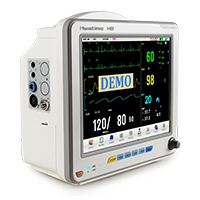
Picking out the right Hwatime H8 Monitor isn’t just about comparing prices or glancing at the specs on paper. For international buyers, it’s really about digging a bit deeper—considering clinical needs, local rules, how reliable the supplier is, and what kind of ongoing support you can expect. What works seamlessly in one hospital might totally miss the mark in another, and honestly, that little difference can make a world of difference. Here’s a handy guide with five practical tips to help you choose the right Hwatime H8 Monitor. We’re talking about things like how easy it is to see the screen, how accurate the measurements are, alarm settings, connectivity options, accessories, and after-sales support. Before you place an order, it’s always a smart move to double-check the specs directly with Hwatime and ask for the latest documentation. When you’re at the hospital, take a moment to look at the monitor beside a busy bed. Can staff read the vital signs quickly? Are the alarms loud enough but not annoying? Sometimes, those small details really influence patient safety and how smoothly the staff can work. Also, don’t forget to evaluate whether the Hwatime H8 really meets the requirements of your country or region. Things like registration, electrical safety, electromagnetic compatibility, language options, and maintenance needs can all vary. It’s a mistake to assume one certificate covers every market; better to check carefully. Cost is another big factor, but be cautious—sometimes a lower price can hide extra costs down the line for things like sensors, batteries, training, calibration, shipping, or tech support. Always ask for a full quote and, if needed, ask again—better safe than sorry. Keep in mind, these tips are pretty practical, but they aren’t a replacement for proper professional advice. Product versions, features, and availability can change quickly. Make sure to confirm all details with authorized reps and involve qualified clinical or biomedical teams if you can. Remember, there’s no one-size-fits-all ‘best’ monitor for every facility. The ideal choice is one that really fits your patients, your staff, your environment, and who’s checking off the right boxes for your local requirements.
Read more »
Sophie By:Sophie - September 18, 2026
China Top Patient Monitor Supplier for Global Buyers

China Top Patient Monitor Supplier for Global Buyers

China has really become a go-to spot for hospitals, distributors, and emergency-care teams on the hunt for reliable monitoring gear. But a good Patient Monitor Supplier isn’t just about offering a decent price—it's about providing steady ECG, SpO2, NIBP, temperature, and respiratory rate readings that actually work well in real clinical settings. Li Xiting, the founder of Mindray, once said something that still sticks with me: “Medical technology should be designed around clinical needs.” Honestly, that rings true when you’re comparing Chinese manufacturers. Sure, a monitor might look sleek in a showroom, but its true worth shows up when it’s next to a busy emergency bed, during transport, or inside a moving ambulance. Features like clear waveforms, adjustable alarms, long-lasting batteries, and easy cleaning—those little things—can really make a difference in everyday care. A top supplier also shows their quality control through trackable production, solid technical docs, user training, and quick, helpful after-sales service. Certifications are good, don’t get me wrong, but they can’t replace actually checking out how the equipment performs firsthand. Buyers should take a close look at sample reports, software language options, spare parts, and how well the monitor plays with the hospital’s existing info systems. It’s often the small details that count. Now, nobody’s perfect, of course. Even an experienced ambulance patient monitor supplier might struggle with communication across different time zones. A quick quote doesn’t always mean fast service. And, on the flip side, choosing a cheaper option might end up costing more down the line—think consumables, calibration, or repairs that take longer than they should. This overview is here to help global buyers figure out how to evaluate Chinese Patient Monitor Suppliers—by looking at their product performance, manufacturing background, clinical usability, and how transparent and cooperative they are. Of course, some assumptions might turn out to be wrong—that’s why it’s so important to verify everything carefully. Paying attention to the details can really make a difference in making the right choice.
Read more »
Lila By:Lila - September 13, 2026
Why Choose a Multi Parameter Patient Monitor?

Why Choose a Multi Parameter Patient Monitor?

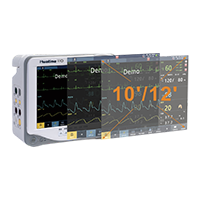
So, why pick a multi-parameter patient monitor? Well, these devices are pretty handy—they bring together all the vital signs into one clear view. Instead of juggling separate gadgets for oxygen levels, blood pressure, temperature, pulse, and ECG, you get everything at a glance. Especially in a busy ward, this saves a ton of time and hassle. For instance, a 10-inch monitor like this can sit right next to a patient’s bed, on a trolley, or even on a transport cart. It’s pretty flexible. The screen might show a pulse waveform, blood pressure reading, and an alarm indicator all at once—pretty cool, right? Dr. Peter Pronovost, a expert in critical care and patient safety, once said, “Make it easy to do the right thing and hard to do the wrong thing.” That’s a good rule of thumb when you’re choosing monitoring gear. Things like clear labels, adjustable alarms, trend graphs, and straightforward controls really help clinicians make quick decisions. But, don’t forget—technology’s a tool, not a replacement for actually assessing the patient. Sometimes readings can be off because of motion, poor sensor contact, low blood flow, or just bad sensor placement. And let’s be real—no device is perfect. Hospitals need to think about how these monitors fit into their workflow, whether staff are trained properly, what kind of maintenance and data connectivity they need, and how easy they are to clean. They also should ask if the monitor works well in emergency rooms, general wards, ORs, or ambulances. Big brands like Philips, GE Healthcare, and Mindray offer different options, but just knowing the name isn’t enough. The real question is: can it stay readable and reliable when there’s noise, movement, or pressure around? And the answer? That’s something that has to be backed by real evidence. A good multi-parameter monitor should support healthcare providers without overwhelming them with false alarms. It should highlight important changes clearly, but still leave room for doctors and nurses to use their judgment. Sometimes, it’s the tiny details in design that matter the most.
Read more »
Clara By:Clara - September 10, 2026
China Top 10 10 inch Fetal Monitor Manufacturers

China Top 10 10 inch Fetal Monitor Manufacturers

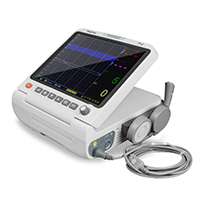
China’s 10-inch fetal monitors blend solid medical engineering with practical hospital design—kind of like marrying innovation with real-world usability. This guide winds through ten manufacturers who serve maternity wards, clinics, and maternal-fetal medicine departments, and it takes a close look at what's important: display clarity, fetal heart rate accuracy, uterine contraction monitoring, alarm visibility, data storage, and how good their after-sales support really is. Dr. Edward Hon, a well-respected pioneer in fetal monitoring, once emphasized, “The fetus is a patient.” That idea still holds big weight. When choosing a 10-inch fetal monitor, what really matters is that clinicians can easily spot changing signals without dealing with overly complicated features. Think bright screens, clear waveforms, reliable probes, and stable printing—these things can help prevent mistakes during those hectic deliveries. Brands like Shenzhen Comen Medical Instruments, Shenzhen Mindray Bio-Medical Electronics, Edan Instruments, Contec Medical Systems, Unimed Medical Supplies, and Shenzhen Bistos are worth considering. It's best to look at their specs closely and also get some real-world feedback from clinical users. Pay attention to the details. The other companies focusing on this market should demonstrate that they have solid quality systems they can trace, responsive technical support, and compatibility with local hospital workflows. Certifications are helpful, but nothing beats testing things out yourself. Before deciding, take a good look at probe durability, battery life, available software languages, how easy it is to do maintenance, and what kind of training they offer. A straightforward ranking might seem helpful, but it can be misleading—every hospital has different needs. Some prioritize portability, while others need features like network connectivity or longer monitoring times. So, this guide treats the “top 10” list as a practical comparison rather than an absolute winner. Keep in mind, product performance can change depending on configuration, when it was made, and regional support. Bottom line? Do your homework and verify everything carefully before making a move.
Read more »
Clara By:Clara - September 6, 2026
China Best OEM Patient Monitor for Global Sourcing Needs?

China Best OEM Patient Monitor for Global Sourcing Needs?

These days, the healthcare industry is changing so fast, and there’s a huge demand for reliable, high-quality medical equipment. If you’ve been following the market, you might have noticed that the global demand for patient monitors is set to grow quite a bit—experts are talking about a compound annual growth rate of around 7.5% from 2023 all the way through 2030. That really shows how much hospitals and care providers are leaning on tech to better take care of patients. Because of that, having dependable OEM (original equipment manufacturer) solutions for patient monitors isn’t just a nice-to-have — it’s pretty much essential.  When it comes to China, it's become a real powerhouse in this space. There are tons of manufacturers over there making equipment that fits a wide range of global needs. They’re known for delivering advanced, efficient monitoring systems that won’t break the bank. But here’s the thing—navigating the OEM patient monitor market can be tricky. You really have to dig into quality assurance processes and make sure they’re sticking to international standards. Paying attention to innovation and listening to user feedback go a long way in boosting reliability. Of course, not every manufacturer out there is equally up to the mark. Big names like Mindray and Heda Health are well-known, but it’s definitely wise to do your homework before jumping in. Building a long-term partnership with a credible China OEM patient monitor manufacturer can be super beneficial—just make sure you do your research and check their overall track record. Remember, every choice you make can directly impact patient safety and the quality of care they receive.
Read more »
Sophie By:Sophie - September 1, 2026
2026 Top Bedside Monitor Features Buyers Need to Know?

2026 Top Bedside Monitor Features Buyers Need to Know?

Lately, there’s been a real surge in demand for advanced Bedside Monitors. It’s pretty clear that healthcare priorities are shifting, and these devices are playing a bigger role than ever before. According to a report from MarketsandMarkets, the global market for bedside monitors is expected to hit around $7.8 billion by 2026 — that just shows how essential they’ve become in patient care. Basically, they help healthcare providers by providing real-time data, which means quicker, more informed interventions when they’re needed most. That said, not all monitors are the same, and shopping around can feel pretty overwhelming with all the different features out there. When you’re choosing one, it’s worth looking at key things like multi-parameter capabilities, how easy they are to use, and whether they play nicely with electronic health records. Remote connectivity is becoming a big deal too, especially as telehealth keeps growing in popularity. The tricky part is finding that sweet spot — balancing the fancy features with your budget. Some top-of-the-line models can be super pricey and might not even offer everything you need for daily use. Getting a handle on these details is really important. Picking the right Bedside Monitor can actually make a big difference in patient outcomes. So, it’s all about weighing the latest tech against what’s actually needed in your specific setting. As the market keeps changing, staying in the loop about new innovations is super helpful for healthcare pros trying to make the best choice.
Read more »
Lila By:Lila - August 29, 2026
Best ICU Monitors for Optimal Patient Care in 2026?

Best ICU Monitors for Optimal Patient Care in 2026?

You know, by 2026, there's no doubt that the demand for really advanced ICU monitors will be huge. As healthcare keeps evolving, so do the needs for tools that can monitor patients reliably and efficiently. Dr. John Anderson, who's pretty much a big deal in critical care tech, points out that "an ICU monitor is absolutely crucial for real-time patient safety and making quick, informed decisions." His words really hit home about how essential these devices are in today’s intensive care settings. The top ICU monitors today aren’t just about showing vital stats—they pack some serious tech to actually improve patient outcomes. For example, the 12 Inch Icu Semi-Modular Model Patient Monitor is super flexible and can be adapted to different types of clinical environments. But as we move forward, one big challenge is making sure these systems are user-friendly and don’t overwhelm healthcare providers with alarms. With all the fancy features, it’s worth stopping to think about whether these monitors are truly making a difference in real practice. Of course, while tech is incredibly important, it can sometimes overshadow the human side of care. Finding that sweet spot between innovation and genuine compassion is an ongoing process in critical care. Proper training for healthcare teams is just as crucial as the devices themselves—after all, tech only works well if people know how to use it effectively. Looking ahead, ICU monitors will keep evolving, but the main priorities—patient safety and supporting the caregivers—should stay front and center.
Read more »
Sophie By:Sophie - August 22, 2026