As the world’s really starting to pay more attention to healthcare tech, Patient Monitors are becoming pretty essential for improving patient care. In 2023, the global Patient Monitor market hit around $5.4 billion, and experts are expecting it to grow even more. I recently read a report from Global Market Insights, and it says that the fancy new Patient Monitors are really helping doctors make smarter decisions in hospitals and clinics. Dr. Lisa Chen, who's a well-respected biomedical engineer, mentioned, "Patient Monitors are super important because they give real-time data, making sure patients stay safe, especially during those critical moments."
In China, manufacturers are stepping up their game, coming out with innovative products that are actually quite popular worldwide. Take, for example, the 10 Inch Multi Parameter Patient Monitor. It’s a pretty cool device that combines all the essential features, making it easier for healthcare staff to keep an eye on vital signs like heart rate and blood pressure. Plus, Chinese-made monitors tend to be priced competitively and packed with the latest tech, which makes them pretty attractive to international buyers.
Of course, there are some hurdles to clear, like making sure these devices meet international quality standards. Chinese companies are definitely skilled at building quality monitors, but they still face questions about things like after-sales support and service. If they can iron out those issues, they'll probably improve their reputation even more on the global stage. The road for patient monitoring technology is a bit complicated, but honestly, there’s a lot of room for growth and collaboration worldwide — it’s an exciting time for this field.

Overview of Patient Monitors in the Global Market
In recent years, patient monitors have gained significant importance in the global healthcare market. These devices are crucial for tracking vital signs, ensuring patient safety, and enhancing treatment outcomes. As demand grows, various manufacturers from China have emerged as key players. They offer innovative solutions at competitive prices, attracting international buyers.
Today’s patient monitors integrate advanced technology for real-time data analysis. They provide features like Multi-Parameter monitoring, wireless connectivity, and user-friendly interfaces. However, challenges remain. The consistency and reliability of these monitors can vary across different manufacturers. Ensuring compliance with international standards is essential for buyers seeking dependable devices.
The competitive landscape also raises questions about durability and after-sales support. Some Chinese manufacturers have made strides, but ongoing improvements are needed in service quality. Global buyers must assess these factors thoroughly before making investments. Prioritizing established relationships and proven expertise can guide them to the right choices in the evolving market.
Criteria for Selecting Patient Monitors from China
When selecting patient monitors from China, various criteria should guide global buyers. The reliability of medical devices is paramount. According to a recent report by MarketsandMarkets, the global patient monitoring market is projected to reach USD 54.4 billion by 2025. This highlights the importance of choosing monitors that meet international quality standards.
First, assess the display size and usability. A 10 Inch Multiparameter Patient Monitor offers a good balance between visibility and portability. The screen size aids medical staff in quickly interpreting data. Additionally, ease of use can significantly reduce training time for healthcare workers. Factors like intuitive interfaces and clear layouts are essential.
Next, consider the device's capabilities. Look for monitors that offer a range of parameters, including heart rate and oxygen saturation. According to Frost & Sullivan, devices that provide comprehensive data can lead to better patient outcomes, as they allow for more informed decision-making. However, not all monitors are created equal. Ensure that the specifications align closely with your institution's needs.
Top Features of Leading Chinese Patient Monitors
Patient monitors from China are gaining recognition in global markets. Their features cater to the needs of modern healthcare. Vital signs tracking is paramount. Most monitors can display heart rate, blood pressure, and oxygen saturation. Advanced models offer respiratory rate and temperature readings. This comprehensive monitoring supports timely medical interventions.
Connectivity is another key feature. Many monitors integrate wireless technology for seamless data transfer. This allows healthcare providers to access patient data remotely, enhancing efficiency. Some models also feature alarm systems to alert staff of critical changes. Such functionalities enhance patient safety, making them popular choices.
Despite the advancements, there are concerns. The accuracy of readings can vary. Some devices may not perform well in extreme conditions. User interfaces may also differ in complexity. Simplifying these aspects can improve usability. Continuous innovation in design and technology will enhance reliability and trust in these monitors.
List of the Top 10 Chinese Patient Monitors for Buyers
The demand for patient monitors has surged globally, particularly for those produced in China. These devices are crucial in clinical settings, helping medical staff track vital signs like heart rate and blood pressure. A recent industry report highlighted a steady annual growth of 6.2% in the patient monitoring market, emphasizing the increasing reliance on advanced monitoring technologies.
Among the various options available, the 10 Inch Multiparameter Standard Model Patient Monitor stands out due to its compact design and rich functionality. This monitor supports real-time data display, ensuring that healthcare professionals receive accurate patient information promptly. However, the range of features may overwhelm new users. Training might be necessary to ensure proficiency in using these devices.
While Chinese manufacturers have made significant strides in medical technology, quality assurance remains a concern. Inconsistent standards can lead to variability in product performance. Therefore, potential buyers should carefully evaluate the certification and testing protocols of different manufacturers. Relying solely on pricing can be misleading. Each monitor's reliability and accuracy significantly influence patient outcomes in critical care settings.
Comparison of Pricing and Quality Among Chinese Brands
When exploring patient monitors from China, pricing and quality are vital. Many buyers seek cost-effective solutions without compromising essential features. The landscape is diverse, with numerous options available. Some brands boast advanced technology, yet others may fall short in reliability and after-sales service. It’s crucial to weigh these factors carefully.
The 10 Inch Surgical Semi-Modular Model Patient Monitor has gained attention for its functionality. However, fluctuations in quality among different manufacturers can lead to inconsistencies. One model might excel in clarity and ease of use, while another may face issues with software compatibility. Buyers often find themselves navigating through a sea of choices, each with its pros and cons.
Investing in patient monitors requires a critical approach. Examining user reviews and industry reports can shed light on true performance. Exploring the nuances of each model helps in making informed decisions. The challenge lies in balancing cost and reliability, ensuring the selected products meet healthcare needs effectively.
Market Trends in Patient Monitoring Technology from China
The patient monitoring technology market is rapidly evolving in China. In recent years, there has been a significant increase in the adoption of advanced monitoring systems. According to a report by MarketsandMarkets, the global patient monitoring market is expected to reach USD 36.83 billion by 2025, growing at a CAGR of 6.7%. This trend is reflected in China's response to global demand.
Chinese manufacturers are focusing on innovative designs, such as the 10 Inch Veterinary Patient Monitor. These devices cater to both human and veterinary needs, expanding their usability. Moreover, enhanced connectivity features are becoming more common. Data integration is essential for real-time monitoring. This meets the needs of healthcare providers for instant information access.
However, challenges remain. Market competition is intense, with many players producing similar devices. Quality assurance can sometimes be overlooked, causing trust issues among buyers. Additionally, navigating international regulations presents hurdles. While there is progress, continuous improvement is necessary. Striking the right balance between cost and quality is critical for success. Manufacturers must prioritize reliability and user experience in their product development strategy.
Future Prospects for Chinese Patient Monitors in Global Healthcare
The healthcare landscape is evolving, with a growing demand for efficient patient monitoring solutions. Chinese manufacturers have made significant advancements in this area, focusing on innovative technology and competitive pricing. These monitors are not just cost-effective; they offer advanced features like real-time data analysis and user-friendly interfaces. As global health systems strive to improve patient outcomes, the role of these monitors becomes increasingly vital.
However, challenges remain. Some international buyers may have concerns about reliability and long-term support from Chinese manufacturers. There can be issues related to regulatory compliance and quality control. Building trust is crucial. Increased transparency and establishing partnerships with local distributors might bridge this gap. As the market continues to grow, investment in R&D could enhance product quality further.
The future seems promising, yet cautious. The potential for pioneering advancements exists, but so does the need for awareness about the cultural and operational differences in various markets. Chinese patient monitors are positioned to play a key role in global healthcare, so ensuring reliability and establishing credibility will be paramount for success.
Top 10 Patient Monitors from China for Global Buyers
| Monitor Model | Display Size | Parameters Monitored | Wireless Capability | Battery Life | Estimated Price (USD) |
| Model A | 15 inch | ECG, SpO2, NIBP | Yes | 10 hours | 800 |
| Model B | 12 inch | ECG, SpO2, CO2 | No | 8 hours | 600 |
| Model C | 10 inch | ECG, SpO2, NIBP, Temperature | Yes | 12 hours | 750 |
| Model D | 15 inch | ECG, SpO2, NIBP, EtCO2 | Yes | 15 hours | 900 |
| Model E | 12 inch | ECG, Respiration, SpO2 | No | 8 hours | 550 |
| Model F | 15 inch | ECG, SpO2, NIBP, Temperature, CO2 | Yes | 14 hours | 950 |
| Model G | 10 inch | ECG, NIBP | No | 6 hours | 400 |
| Model H | 15 inch | SpO2, NIBP, Temperature | Yes | 11 hours | 850 |
| Model I | 12 inch | ECG, SpO2 | No | 9 hours | 500 |
| Model J | 10 inch | Respiration, SpO2, NIBP | Yes | 7 hours | 450 |
Conclusion
The article titled "Top 10 Patient Monitors from China for Global Buyers" provides a comprehensive overview of the patient monitor market, focusing on the innovations and capabilities of Chinese manufacturers. It outlines essential criteria for selecting high-quality patient monitors, emphasizing factors such as reliability, user-friendliness, and technological advancements that enhance patient care.
Additionally, the article highlights key features of leading Chinese patient monitors that cater to diverse medical needs. It includes a detailed list of the top ten patient monitors available for global buyers, comparing pricing and quality among various brands. The discussion extends to market trends that showcase the rapid development of patient monitoring technology in China, as well as future prospects indicating a growing presence of these devices in the international healthcare landscape. Overall, the article serves as a valuable guide for healthcare professionals seeking effective patient monitoring solutions from China.

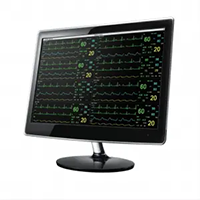 Central Monitoring System
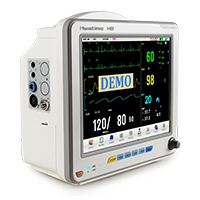 H Series Multi Parameter Patient Monitor
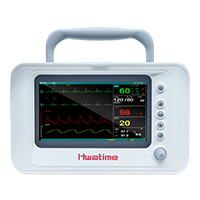 H5 Vital Signs Patient Monitor
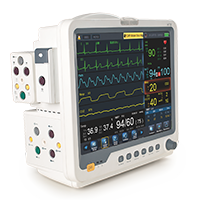 HT Series Semi-modular Patient Monitor
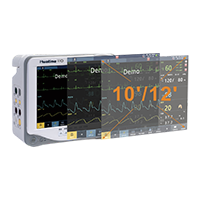 i Series Multi Parameter Patient Monitor
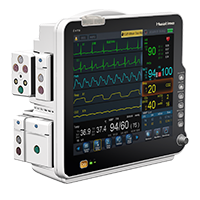 IHT Series Modular Patient Monitor
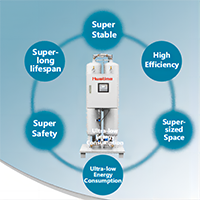 Oxygen Generator System
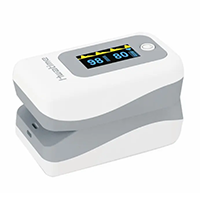 Pulse Oxymeter
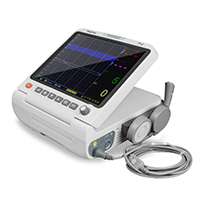 T Series Maternal Monitor/Fetal Monitor
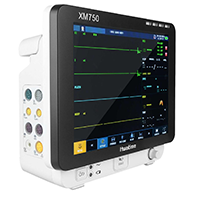 XM Series Multi Parameter Patient Monitor


