Leave Your Message
0%

Picking the right Modular Patient Monitor isn’t just about comparing screen sizes, features, or price tags. For buyers around the world, it’s also about how well it fits into the clinical workflow, how easily alarms can be seen, data connectivity options, support services, and training needs. A monitor that works great in a quiet, private hospital might not perform as smoothly in a busy operating room or a remote clinic out in the sticks.

Dr. Peter Pronovost, a patient safety expert, once said, “We need to shift from a culture of blame to a culture of safety.” That’s an important point to remember when choosing monitoring equipment. You want devices that can help clinicians make quick, accurate decisions, cut down on unnecessary alarms that cause fatigue, and clearly show vital signs even in high-pressure situations. The best systems are also flexible enough to grow with the patient’s condition — meaning you can add more monitoring if needed.

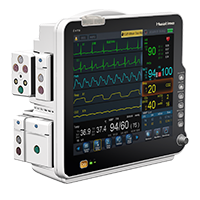
In this guide, we look at ten different modular patient monitors suitable for international buyers. We’ve considered things like screen quality, how flexible they are with parameters, portability, software compatibility, battery life, and support from the manufacturer. If you’re after a compact option that’s easy to move around in the operating room, check out the 10 Inch Surgical Semi-Modular Model Patient Monitor — it’s designed with practical surgical use in mind.

On-the-ground details really matter. Can your staff read the screen clearly from a couple of meters away? Will the battery last through a long, tough procedure? Are replacement sensors available nearby? These kinds of questions often tell you more than what’s written in a brochure.

No single ranking will fit everyone perfectly. A shortlist might overlook specific local workflows, budget constraints, or maintenance issues. So, before you make a final call, it’s worth double-checking the specs, certifications, service agreements, and whether the device is suitable for your clinical environment. Taking that little extra time might seem slow now, but it can save you from costly surprises down the road.

Top 10 Modular Patient Monitors for Global Buyers?

What Modular Patient Monitors Are and Why Global Buyers Choose Them

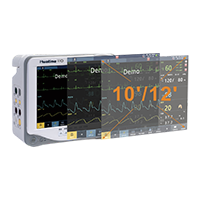
Modular patient monitors separate the core display from replaceable measurement modules. They can combine ECG, SpO2, NIBP, invasive pressure, and sidestream CO2. This design helps hospitals adapt one platform for emergency, ICU, and transport use. A 12 Inch Icu Semi-Modular Model Patient Monitor may suit units needing compact displays and essential measurements.

Global buyers often choose modular systems because clinical demand changes. A hospital can add advanced pressure monitoring later instead of replacing the entire device. That matters where budgets, import schedules, and technical support vary. The WHO Global Patient Safety Action Plan 2021–2030 reports that about one in ten patients experiences harm during healthcare. Reliable alarms and visible trends therefore deserve more attention than attractive specifications. The WHO Global Report on Infection Prevention and Control estimates healthcare-associated infections affect 7% of acute-care patients in high-income countries and 15% in low- and middle-income countries. Monitoring cannot prevent infection, but easier cleaning and fewer unnecessary connections can support safer workflows.

Tips: Check module compatibility, alarm customization, battery duration, local service capacity, and data export before purchasing. Ask for evidence from IEC 60601 testing and clinical evaluations. Do not assume “modular” means future-proof. Proprietary modules may become expensive or unavailable. A practical buyer should test the monitor beside a crowded ICU bed, with gloves on and cables crossed. That small trial may reveal more than a polished brochure.

How to Evaluate Modular Patient Monitors by Clinical and Technical Needs

Choosing among the Top 10 Modular Patient Monitors requires more than comparing screen size or price. Clinical context comes first. A 12 Inch Icu Semi-Modular Patient Monitor should support the patient’s acuity, not merely display more numbers.

WHO’s Global Patient Safety Report 2024 states that about one in ten patients experiences harm during healthcare. Over half of this harm is considered preventable. For buyers, reliable alarms, clear trends, and accurate measurement are practical safety features. ECRI’s annual health technology hazard reports also continue to highlight alarm management risks. Check alarm priority, pause controls, default limits, and staff training requirements. Review ECG, SpO2, temperature, NIBP, invasive pressure, and capnography options. Modularity is useful only when modules match local clinical demand.

Tips: Test the monitor beside a real bed. Watch the screen from two meters away. Confirm battery duration during transport. Check interoperability through HL7 or other approved interfaces. Review IEC 60601-1-8 alarm requirements and ISO 80601-2-49 performance expectations. Ask about cleaning agents, service intervals, software updates, and cybersecurity controls. A larger display is not always better. It may create visual noise. That detail is easy to overlook. Also, procurement teams should compare total ownership costs, because accessories, sensors, training, and calibration can exceed the initial purchase price.

Top 10 Modular Patient Monitors for Different Healthcare Settings

Modular patient monitors should be matched to clinical settings, not purchased as one universal solution. The top ten choices may serve intensive care, emergency departments, operating rooms, general wards, neonatal units, cardiac units, ambulances, isolation rooms, outpatient clinics, and rural hospitals. Each setting needs a different balance of parameters, mobility, alarm control, and infection protection. Intensive care usually requires ECG, invasive pressure, capnography, temperature, and advanced respiratory analysis. General wards may need simpler wireless monitoring, longer battery life, and clearer dashboards.

The WHO Global Patient Safety Report 2024 states that one in ten patients experiences harm during healthcare, with more than half considered preventable. This supports careful alarm design and dependable trend review. The FDA also emphasizes interoperability and cybersecurity in modern medical devices. Therefore, buyers should check data export, network resilience, service access, and module replacement procedures. A monitor with many options is not automatically better. It may create training gaps and unnecessary alarms. I would test devices beside a noisy emergency bed, under weak Wi-Fi, and during patient transport. That assumption can fail. Grand View Research identifies continued growth in the Patient Monitoring Devices market, but market growth does not prove clinical suitability. Local staffing, maintenance skills, and electrical conditions still matter. Start with workflow evidence, then compare specifications.

Top 10 Modular Patient Monitors for Global Buyers – Top 10 Modular Patient Monitors for Different Healthcare Settings

No. Modular Monitor Type Recommended Healthcare Setting Typical Display Size Core Parameters Expandable Modules Typical Patient Category Battery and Mobility Profile Key Procurement Considerations
1 High-Acuity Critical Care Monitor Adult intensive care units, cardiac intensive care units and major operating rooms 15–19 inches, high-resolution color display 3/5-lead ECG, heart rate, respiratory rate, non-invasive blood pressure, SpO2, temperature and invasive pressures End-tidal CO2, cardiac output, additional invasive pressure channels and depth-of-anesthesia monitoring Adult and pediatric patients requiring continuous multi-parameter surveillance AC-powered bedside unit with approximately 1–4 hours of battery backup, depending on configuration Prioritize alarm management, waveform visibility, network integration, centralized monitoring and compliance with IEC 60601-1 and ISO 80601-2-49
2 Transport and Transfer Modular Monitor In-hospital transport, emergency departments, recovery areas and ambulance services 6–10 inches, compact color display ECG, heart rate, respiratory rate, non-invasive blood pressure and SpO2 Capnography, invasive pressure and temperature Adult, pediatric and selected neonatal patients during movement Rechargeable battery commonly supporting about 3–8 hours of operation; lightweight handle or trolley mounting Evaluate impact resistance, ingress protection, battery replacement, quick-start operation and secure data transfer
3 Operating Room Modular Monitor General surgery, specialist surgery and anesthesia workstations 15–19 inches, wide-view display for multiple waveforms ECG, SpO2, non-invasive blood pressure, respiratory rate and dual temperature EtCO2, anesthetic gas analysis, invasive pressure, neuromuscular monitoring and depth of anesthesia Adult and pediatric surgical patients AC-powered with battery backup for short transfers and power interruptions Check gas-module compatibility, agent identification, low-flow anesthesia performance, accessory availability and cleaning resistance
4 Emergency and Resuscitation Monitor Emergency departments, trauma bays, resuscitation rooms and disaster-response teams 10–15 inches, high-contrast display with large numerics 12-lead or 3/5-lead ECG, heart rate, SpO2, non-invasive blood pressure and respiratory rate EtCO2, invasive pressure, temperature and external defibrillation synchronization Adult, pediatric and emergency neonatal cases when appropriate sensors are available Battery-powered portable design, commonly offering about 3–6 hours of monitoring Look for rapid measurement cycles, CPR-friendly controls, defibrillator tolerance, bright alarms and rugged construction
5 Neonatal and Pediatric Modular Monitor Neonatal intensive care units, pediatric intensive care units and neonatal transport 10–15 inches, adjustable brightness and low-light viewing ECG, heart rate, SpO2, respiratory rate, non-invasive blood pressure and temperature Low-perfusion SpO2, transcutaneous gas monitoring, capnography and additional temperature channels Premature infants, neonates, infants and children Bedside AC power with battery backup; mobile configurations may provide about 2–6 hours Confirm neonatal cuff and sensor sizes, low-current accessories, gentle alarm limits, low-perfusion accuracy and incubator compatibility
6 Step-Down and High-Dependency Monitor Progressive care units, cardiac step-down units and postoperative observation wards 12–15 inches, multi-patient observation capable ECG, heart rate, SpO2, respiratory rate, non-invasive blood pressure and temperature EtCO2, additional ECG leads, wireless telemetry and selected invasive pressure modules Clinically stable adults and older pediatric patients needing continuous observation AC-powered bedside unit; short battery backup is generally sufficient Focus on configurable alarm thresholds, nurse-call connectivity, central station compatibility and efficient spot-check workflows
7 General Ward Modular Monitor Medical-surgical wards, isolation rooms and hospital observation areas 8–12 inches, simplified user interface Spot or continuous ECG, SpO2, non-invasive blood pressure, pulse rate and temperature Respiratory rate, wireless connectivity and intermittent capnography Adult and pediatric patients with moderate monitoring needs Rechargeable battery commonly supporting approximately 4–10 hours, depending on measurement frequency Assess ease of cleaning, wireless connectivity, barcode or electronic-record integration and low total cost of ownership
8 Ambulatory and Outpatient Modular Monitor Outpatient clinics, dialysis centers, infusion units and short-stay treatment areas 8–12 inches, compact touch or membrane-control display Non-invasive blood pressure, SpO2, pulse rate and temperature 3-lead ECG, respiratory rate, wireless data export and optional capnography Clinically stable adults and adolescents Portable battery operation commonly lasting about 6–12 hours Prioritize fast setup, reusable accessories, infection-control workflow, data export and low maintenance requirements
9 Remote and Rural-Care Modular Monitor Rural hospitals, primary-care facilities, humanitarian programs and low-resource settings 7–12 inches, readable in varied lighting conditions SpO2, pulse rate, non-invasive blood pressure, temperature and basic ECG Respiratory rate, EtCO2, wireless transmission and external barcode or device connectivity Adult and pediatric patients, subject to available accessories Battery operation often designed for approximately 6–12 hours; external power-bank or vehicle charging may be useful Verify voltage compatibility, offline operation, dust and moisture protection, local service capacity and availability of consumables
10 Specialty Cardiac and Telemetry Monitor Cardiology wards, electrophysiology units, cardiac rehabilitation and telemetry networks 12–19 inches for bedside use or 7–10 inches for mobile telemetry 3/5/12-lead ECG, heart rate, ST-segment analysis, arrhythmia detection and respiratory rate SpO2, non-invasive blood pressure, invasive pressure, temperature and wireless telemetry Adults requiring rhythm, ischemia or post-cardiac-procedure surveillance Bedside AC-powered configuration or battery telemetry transmitter, commonly supporting a full clinical shift Check ECG sampling quality, arrhythmia algorithms, alarm-event storage, telemetry capacity, cybersecurity and integration with the hospital information system

Note: Specifications shown are representative procurement ranges for modular patient-monitor categories rather than data from a specific manufacturer or brand. Actual performance, available parameters, battery life and regulatory approvals vary by configuration, accessories, software and intended market.

Core Parameters, Modules, and Connectivity Features Compared

Choosing among the Top 10 Modular Patient Monitors for Global Buyers requires more than comparing screen size. Core parameters show whether a monitor suits adult, pediatric, or critical-care use. Check ECG leads, SpO2 accuracy, non-invasive blood pressure cycles, temperature channels, and respiratory rate. A bright 8-inch display can improve bedside viewing, but poor menu contrast may slow decisions.

The 8 Inch Multifunction Semi-Modular Model Patient Monitor can support flexible configurations in smaller wards. Buyers should confirm which modules are included and which require later installation. Common options include capnography, invasive pressure, cardiac output, and additional temperature measurement. Review measurement ranges, alarm priorities, trend memory, battery runtime, and start-up time. A monitor with many modules is not automatically better. Extra functions can increase training needs and maintenance costs.

Tips: Ask for sample reports, alarm demonstrations, and module replacement procedures. Test the device beside a patient bed, not only in a showroom. Confirm wired network, Wi-Fi, USB, HL7, and central-station compatibility before purchasing. Regional power standards and language settings also matter. Verify service training and calibration support in the destination country. Specifications can look impressive, yet daily workflow may expose weaknesses. Even experienced teams sometimes overlook cable durability and cleaning access.

Regional Compliance, Certification, and Hospital Integration Requirements

Top 10 Modular Patient Monitors for Global Buyers?

Regional compliance often determines whether a monitor can enter a hospital. An AG Modular Patient Monitor should match each market’s device classification, labeling, and cybersecurity rules. In the European Union, buyers should verify EU MDR documentation, clinical evaluation, post-market surveillance, and CE marking. In the United States, FDA 510(k) evidence may be required for substantial equivalence. FDA’s MDUFA V performance goals target 510(k) decisions within 90 FDA days. That timeline excludes preparation gaps and review questions.

Hospital integration is equally practical. IEC 60601-1 supports electrical safety, while IEC 60601-1-2 addresses electromagnetic compatibility. ISO 14971 guides risk management, including alarm failures and incorrect readings. ECRI’s 2024 Health Technology Hazards report again highlights alarm-related risks and poor configuration. A monitor may pass testing, yet still overload a ward with alerts. That distinction matters. Buyers should request HL7 or FHIR compatibility, network segmentation guidance, audit logs, and local service records. WHO’s Global Strategy on Digital Health 2020–2025 also emphasizes interoperability, governance, and secure data exchange.

Tips: Ask for country-specific certificates, not generic declarations. Test the monitor beside infusion pumps and wireless systems. Confirm language support, replacement sensors, training hours, and response times. Keep one bedside workflow documented. It exposes integration weaknesses early. A checklist can still miss nurse workload, which deserves a second review.

Pricing, After-Sales Support, and Procurement Considerations for Buyers

Top 10 Modular Patient Monitors for Global Buyers

Price should be compared by configuration, not by the base unit alone. A useful quotation lists modules, accessories, software, shipping, taxes, installation, and training. Ask for each item separately. This exposes hidden costs. A monitor with a low purchase price may require costly sensors or replacement parts later. Buyers should calculate total ownership costs over five years. Include calibration, battery replacement, service visits, and software updates. Currency changes can also affect budgets. Request a firm validity period and a clear delivery schedule.

After-sales support often determines clinical uptime. Confirm the response time for urgent faults, remote troubleshooting options, and local technical coverage. Ask whether replacement modules are stocked nearby. A written warranty should explain exclusions, repair timelines, and loan equipment policies. Training should include nurses, biomedical engineers, and procurement staff. Practical demonstrations matter more than a short presentation. Keep service manuals accessible. Language and time-zone differences can delay simple repairs. That risk is easy to underestimate.

Procurement teams should verify compatibility with existing bedsides, central stations, networks, and hospital information systems. Check local registration, electrical safety requirements, cybersecurity controls, and data protection duties before ordering. Require acceptance testing with realistic patient-monitoring scenarios. A small pilot can reveal alarm fatigue, confusing menus, or weak battery performance. No checklist is perfect. We would still leave room for user feedback after deployment. Suppliers should provide references from facilities with similar patient volumes and staffing conditions.

How to Choose High-Quality Patient Monitoring Devices: Spotlight on the iHT6 Modular Patient Monitor by Hwatime

Choosing a high-quality patient monitoring device requires more than comparing screen size or purchase price. Healthcare teams should assess measurement accuracy, signal stability, ease of use, alarm management, data visibility, and compatibility with existing clinical workflows. A dependable monitor should provide clear readings, responsive controls, and a design that supports efficient observation in emergency, intensive care, surgical, and general ward settings. Durable construction, simple cleaning procedures, and dependable battery performance are also important for continuous clinical use.

The iHT6 modular patient monitor offers a practical approach to flexible monitoring by allowing healthcare facilities to configure functions according to patient needs and care environments. When evaluating this type of device, buyers should review its available parameters, display layout, trend analysis, alarm settings, connectivity, and ability to support future expansion. A modular structure can help reduce unnecessary equipment changes as requirements develop, while an intuitive interface may shorten staff training time and improve response during busy shifts. Before purchase, hospitals should also confirm technical support, maintenance availability, user training, and compliance with applicable medical-device requirements.

FAQS

What is a modular patient monitor?

It separates the main display from replaceable measurement modules. Common options include ECG, oxygen saturation, blood pressure, temperature, and carbon dioxide monitoring.

Why do hospitals choose modular systems?

Clinical needs can change over time. A hospital may add advanced pressure monitoring without replacing the complete monitor.

Which clinical areas can use modular monitors?

Intensive care may need invasive pressure, capnography, and advanced respiratory analysis. General wards may prefer simple dashboards and longer battery life.

What should buyers check before purchasing?

Check module compatibility, alarm controls, battery duration, cleaning requirements, data export, and local technical support. Do not assume every module works together.

How should alarm performance be evaluated?

Review alarm priorities, default limits, pause controls, and staff training needs. Test the sound beside a noisy emergency bed.

Does a larger screen always provide better performance?

Not always. A large display can create visual clutter and hide important trends. View the screen from two meters away.

How can buyers test transport suitability?

Run the monitor during movement, with gloves on and cables crossing the bed. Check battery duration and screen visibility during transport.

What hidden costs should procurement teams consider?

Include sensors, cables, accessories, calibration, software updates, training, and service visits. The purchase price may be only part of ownership costs.

Does modular design guarantee future compatibility?

No. Proprietary modules may become costly or unavailable. Ask for replacement timelines and written compatibility evidence.

What technical and safety evidence should buyers request?

Request electrical safety testing, clinical evaluation records, cybersecurity controls, and approved data interfaces. A polished brochure is not enough.

Conclusion

This guide explores how a Modular Patient Monitor combines a central display with interchangeable modules for parameters such as ECG, SpO₂, blood pressure, temperature, respiration, and invasive pressure. Global buyers can select configurations that match intensive care, operating rooms, emergency departments, transport, and general wards. The article explains how to evaluate screen design, measurement accuracy, alarm management, battery performance, durability, user workflow, and data connectivity according to clinical and technical requirements.

It also compares ten types of modular patient monitors by core parameters, expansion options, portability, networking capabilities, and suitability for different healthcare environments. Buyers will learn to review regional certifications, electrical safety requirements, cybersecurity expectations, hospital information system integration, and compatibility with existing equipment. Finally, the guide covers total purchasing cost, accessories, training, warranty terms, maintenance, spare parts, software updates, and after-sales support, helping healthcare organizations make practical, compliant, and sustainable procurement decisions.

Clara

Clara

Clara is a dedicated marketing professional at Shenzhen Huateng Biomedical Electronics Co., Ltd., where her extensive expertise in biomedical electronic products sets her apart in the industry. With a deep understanding of the latest technological advancements, Clara plays a pivotal role in......
Previous 5 Best Hwatime H8 Monitor Buying Tips for Global Buyers?