In the fast-paced world of emergency healthcare, the role of an Emergency Patient Monitor is more important than ever. Believe it or not, a recent report by MarketsandMarkets predicts that the global patient monitoring market will hit around $25 billion by 2026 — show just how much demand there’s for really advanced monitoring tech these days. These devices aren’t just fancy gadgets; they’re lifesavers for real-time health checks, letting medical teams react quickly when it matters most.
When it comes to Emergency Patient Monitors, there's quite a variety out there. Take the 10 Inch Multi Parameter Patient Monitor, for example — it’s well-loved in the industry. This device does a pretty comprehensive job of tracking vital signs, so caregivers can get a clear snapshot of a patient’s condition instantly. Of course, the accuracy and dependability of these monitors can seriously influence patient outcomes, so choosing the right one isn’t something to take lightly. That said, not all models are perfect in every situation; some might miss a feature that’s critical for certain emergency scenarios.
With chronic illnesses becoming more common and our populations aging, the need for solid emergency monitoring just keeps growing. As healthcare systems change and innovate, so does the technology that supports them. Figuring out which Emergency Patient Monitors are worth your attention is key to ensuring better care overall. In this article, I’ll walk you through the top five monitors making waves right now — highlighting what they excel at and where they might fall short.

Key Features of Leading Emergency Patient Monitors
In emergency situations, having reliable patient monitors is crucial. These devices provide essential data on vital signs. Here are some key features to consider when evaluating emergency patient monitors.
One important feature is real-time data tracking. It allows healthcare providers to monitor heart rates, blood pressure, and oxygen levels instantly. This tracking can be vital in making quick decisions during emergencies. Also, portability is essential. Monitors that are light and easy to move ensure that they can adapt to dynamic situations.
Another feature to consider is alarm settings. Effective monitors provide customizable alarms. They alert medical staff to critical changes in patient conditions. A good monitor also includes a clear and intuitive display. This simplifies data interpretation, even in high-pressure environments.
Tip: Regular training on using these monitors can improve proficiency. Familiarity with the device enhances response times during emergencies.
Tip: Ensure that your team conducts routine checks on all monitors. Regular maintenance can prevent unexpected failures, especially in life-threatening situations. Being proactive saves lives.
Comparative Analysis of Market-Available Emergency Patient Monitors
In the world of emergency care, selecting the right patient monitor is crucial. Multiple devices flood the market, each promising advanced features and reliability. Understanding which monitors excel in different scenarios can be challenging for healthcare providers.
When evaluating these monitors, consider features like display clarity, response time, and data accuracy. Some devices offer real-time vitals, while others excel in portability. User interfaces vary widely, which can impact usability during critical moments. Complexity can hinder performance.
Simplicity in design often leads to quicker decisions. In many cases, monitors lack comprehensive training manuals. This leads to confusion during emergencies. Staff may struggle to utilize all available functions. Learning curves can slow down response times.
Exploring independent studies can shed light on which monitors have been thoroughly tested and validated in emergency settings. Gathering insights from frontline workers can improve understanding. Experience shared by colleagues often unveils hidden strengths and weaknesses.
Impact of Real-Time Data on Patient Outcomes in Emergencies
In emergency situations, real-time data can dramatically affect patient outcomes. Monitoring vital signs can provide life-saving information. Rapid assessments allow healthcare providers to make swift decisions. A 10 Inch Multiparameter Patient Monitor can track multiple metrics at once, enhancing this process. Timely data helps in identifying complications early, which is crucial in critical care settings.
When using patient monitors, focus on the accuracy of the readings. Any discrepancies can lead to misdiagnosis or delays in treatment. Equipment must be regularly calibrated and maintained. Vigilance in monitoring ensures that all changes are noted and acted upon promptly.
Healthcare professionals must stay updated on technology advancements. Training on how to interpret data effectively is essential. Investing in staff education can improve patient safety significantly. Remember, even the best technology is only as good as the team using it. Engaging in continual learning can fine-tune skills and improve emergency responses.
Integration of Telemetry and Wireless Technology in Monitors
In emergency care, the integration of telemetry and wireless technology is transforming patient monitoring. These advances enhance real-time data collection and improve response times. A recent report by Global Market Insights reveals that the Patient Monitoring Systems market is projected to exceed $25 billion by 2025, driven largely by innovations in wireless technology.
Wireless monitors enable healthcare providers to track vital signs from a distance. They reduce the need for physical connections, freeing patients from wires and enhancing mobility. This flexibility can lead to faster interventions during critical situations, as caregivers can access data remotely. However, data security and connectivity issues remain major challenges. Many healthcare facilities struggle with maintaining a stable network, which can hinder the effectiveness of wireless systems.
Moreover, the implementation of telemetry in patient monitors facilitates seamless communication between devices. A report from MarketsandMarkets emphasizes that telemetry systems can improve patient outcomes by 30%. Despite these statistics, some hospitals face difficulties in staff training and device integration. These hurdles must be addressed to fully realize the benefits of these advanced monitoring technologies in emergency settings. The ongoing evolution of healthcare monitoring hinges on overcoming these obstacles while ensuring patient safety and data integrity.
Top 5 Emergency Patient Monitors You Need to Know
| Monitor Model | Key Features | Telemetry Support | Wireless Capability | Battery Life |
| Model A | Real-time heart rate, SpO2 monitoring, ECG display | Yes | Yes | 8 hours |
| Model B | Non-invasive blood pressure, temperature monitoring | Yes | No | 10 hours |
| Model C | Multi-lead ECG, patient trend analysis | Yes | Yes | 12 hours |
| Model D | Capnography, advanced arrhythmia detection | No | Yes | 6 hours |
| Model E | Cardiac output, stroke volume monitoring | Yes | Yes | 14 hours |
Cost-Benefit Analysis of Advanced Patient Monitoring Systems
In today's healthcare landscape, advanced patient monitoring systems are essential. A comprehensive cost-benefit analysis reveals significant returns on investment for these technologies. For instance, investing in advanced monitors can reduce emergency response times by up to 25%. This efficiency results in improved patient outcomes and often leads to shorter hospital stays.
When evaluating options like the 10 Inch Multiparameter Standard Model Patient Monitor, it's crucial to assess their long-term benefits. Studies indicate that such monitors can enhance clinical decision-making. However, initial purchase costs can be daunting for smaller facilities. Carefully consider your budget, alongside the potential savings from reduced adverse events.
Tip: Analyze maintenance costs as an ongoing expense. Investing in systems with lower long-term maintenance can yield better overall savings. It's essential to weigh these factors. Remember, not all monitoring systems offer the same reliability. Regular training for staff ensures optimal use, which can be overlooked in busy settings. Evaluate your team's proficiency with new technologies. Balancing cost with training and maintenance is vital for achieving value.
Trends in Emergency Monitoring: AI and Predictive Analytics
In recent years, the landscape of emergency patient monitoring has evolved significantly. The introduction of artificial intelligence and predictive analytics has played a crucial role. According to a report by MarketsandMarkets, the global patient monitoring market is projected to reach $32 billion by 2025. This growth underscores the increasing reliance on advanced technologies in critical care settings.
AI can now analyze vast amounts of patient data in real-time. This capability allows healthcare providers to identify potential complications before they become critical. A study from the Journal of Medical Systems found that predictive analytics could reduce patient deterioration rates by up to 30%. Implementing tools like the 10 Inch Surgical Semi-Modular Model Patient Monitor can facilitate such advancements. These monitors integrate AI features, enabling healthcare teams to act swiftly.
However, the integration of AI in monitoring systems presents challenges. Not all healthcare professionals are trained to interpret AI-driven insights effectively. There are concerns about data privacy and the reliability of algorithms. As we navigate these evolving technologies, ongoing education and robust ethical guidelines are essential. The excitement surrounding AI should be balanced with critical reflections on its limitations and potential risks.
Future Innovations in Emergency Patient Monitoring Technology
The landscape of emergency patient monitoring technology is evolving rapidly. Innovations are aimed at enhancing efficiency and accuracy in critical care settings. One of the most significant trends is the integration of artificial intelligence. AI can analyze patient data in real time, predicting potential complications before they arise. This capability could transform patient outcomes, but it also raises questions about data privacy and the reliability of algorithms.
Wearable technology is gaining traction in emergency scenarios. Devices can monitor vital signs continuously, providing instant feedback to healthcare professionals. These wearables could prove invaluable in fast-paced environments. However, ensuring the accuracy of these devices remains a challenge. Issues with battery life and connectivity can hinder their effectiveness.
Devices like the 10 Inch Veterinary Patient Monitor showcase the potential for compact, effective monitoring solutions. Designed for use in various contexts, they can respond to both human and animal health needs. While this innovation represents a step forward, optimizing their use in diverse emergency situations is still a work in progress. How we adapt to these technologies will determine their impact in real-world scenarios.
Comprehensive Guide to Choosing the Best High-Quality Multipara Monitor with Etco2 for Vital Signs Monitoring
When it comes to monitoring vital signs, selecting a high-quality multipara monitor with EtCO2 capabilities is crucial for ensuring effective patient care. These devices provide real-time data on multiple physiological parameters, including heart rate, blood pressure, respiratory rate, and end-tidal carbon dioxide (EtCO2), which is vital for assessing a patient’s respiratory status. A reliable multipara monitor can greatly enhance clinical decision-making, improving outcomes especially in critical care environments.
When choosing the best multipara monitor, consider factors such as display clarity, ease of use, and the range of parameters it can measure. A monitor with a large, high-resolution display can make it easier for healthcare professionals to interpret the data quickly, while intuitive software can streamline the monitoring process. Furthermore, ensure that the device offers robust connectivity options, allowing it to integrate seamlessly with other medical technologies. This integration can facilitate comprehensive patient management, as data can be shared and analyzed across different platforms.
Another important feature to look for is the device's ability to provide accurate and timely EtCO2 readings. Monitoring end-tidal CO2 levels is critical during sedation and ventilation, as it can indicate the efficiency of ventilation and help detect respiratory depression early on. A high-quality multipara monitor will deliver reliable EtCO2 measurements alongside other vital signs, enhancing the clinician's ability to respond to changes in a patient’s condition promptly. Selecting the right monitor is a vital step towards enhancing patient outcomes and ensuring effective monitoring in a healthcare setting.
FAQS
: Real-time data can improve patient outcomes by enabling timely decision-making and early identification of complications.
Accurately calibrated equipment and vigilant monitoring are crucial to avoid misdiagnosis and delays in treatment.
Continuous training helps healthcare professionals effectively interpret data, significantly improving patient safety and emergency responses.
Wireless monitors enhance patient mobility and allow remote data access, leading to quicker interventions in emergencies.
Data security and connectivity issues can hinder the effectiveness of monitoring systems, impacting patient outcomes.
Advanced monitors can reduce response times by up to 25%, which often results in improved patient outcomes.
Facilities should assess initial costs, long-term benefits, and ongoing maintenance expenses to ensure a wise investment.
Lower long-term maintenance costs can provide better overall savings; it's essential to analyze this factor before finalizing a purchase.
Staff training for new technologies is often overlooked, which can compromise the effectiveness of advanced monitoring systems.
Understanding staff skills helps ensure optimal use of monitoring systems and balances costs with effective training.
Conclusion
The article "Top 5 Emergency Patient Monitors You Need to Know" focuses on the essential features and advancements in emergency patient monitoring technology. It discusses the key attributes of leading emergency patient monitors, highlighting their ability to provide real-time data that significantly impacts patient outcomes in critical situations. A comparative analysis of available monitors underscores their effectiveness and reliability in emergency settings.
Moreover, the integration of telemetry and wireless technology is examined, showcasing how these advancements enhance patient monitoring capabilities. The article also includes a cost-benefit analysis that assesses the financial implications of adopting advanced monitoring systems. Current trends such as artificial intelligence and predictive analytics are discussed as pivotal in shaping the future of emergency patient monitoring technology, hinting at the promising innovations on the horizon.

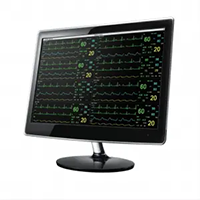 Central Monitoring System
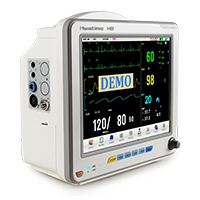 H Series Multi Parameter Patient Monitor
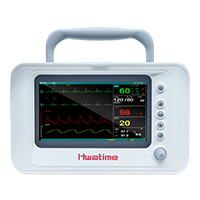 H5 Vital Signs Patient Monitor
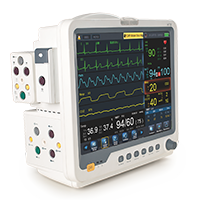 HT Series Semi-modular Patient Monitor
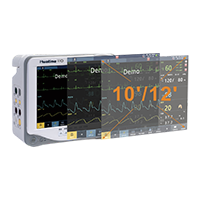 i Series Multi Parameter Patient Monitor
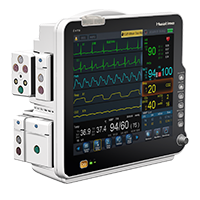 IHT Series Modular Patient Monitor
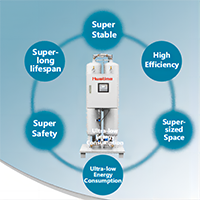 Oxygen Generator System
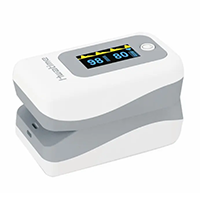 Pulse Oxymeter
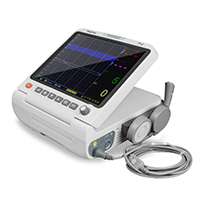 T Series Maternal Monitor/Fetal Monitor
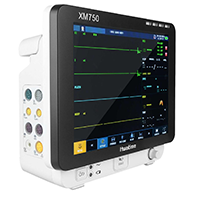 XM Series Multi Parameter Patient Monitor


