In today’s fast-changing world of healthcare, choosing the right Patient Monitor Manufacturer isn’t just a good idea — it’s super important, especially for buyers around the globe. I recently came across a report from Grand View Research, and it’s pretty exciting. The market for Patient Monitoring Devices is projected to hit about USD 38 billion by 2026! That’s a huge opportunity for manufacturers out there. But it also means the competition is fierce, so finding trustworthy partners is more critical than ever.
When you’re on the hunt for the perfect Ambulance Patient Monitor Manufacturer, there are a couple of key things to keep in mind. Stuff like quality, whether they meet international standards, and if they use cool, innovative tech — those really matter. A study I read in the Journal of Medical Devices pointed out that devices which perform accurately can really make a difference in patient outcomes. So, it’s crucial to check out things like certifications and what other users are saying about them.
Now, even though there are tons of manufacturers out there, not all of them are created equal. Some might fall short in customer service or tech support, which can be sooo frustrating. That’s why a bit of research goes a long way — you want to make sure you’re making an informed choice. At the end of the day, it’s about finding a manufacturer that *actually* gets your specific healthcare needs and can deliver reliably.

Understanding the Role of Patient Monitors in Healthcare Settings
Patient monitors play a critical role in modern healthcare settings. They provide real-time data about patients' vital signs, allowing medical staff to respond quickly to changes. These devices track parameters like heart rate, blood pressure, and oxygen levels. This immediate feedback can be life-saving, especially in emergency situations.
In hospitals, every second counts. Patient monitors enable continuous observation of critically ill patients. However, their implementation poses challenges. Training staff effectively to use these monitors is essential. Without proper training, even the best technology can fall short. Additionally, data overload can occur, where staff may struggle to interpret the information presented.
Choosing reliable devices from a China Best Patient Monitor Manufacturer adds another layer of importance. Buyers need to ensure that the monitors meet international standards. Quality assurance must be prioritized, as inconsistent performance can lead to mistrust in the devices. Ultimately, understanding the capabilities and limitations of patient monitors ensures that healthcare providers can make informed decisions. Investing in expert advice and support enhances the overall utility of these tools, making them a cornerstone of effective patient care.
Key Features to Look for in Patient Monitors
Selecting the right patient monitor is crucial for healthcare facilities. These devices play a significant role in tracking patient vitals. Global healthcare spending on monitoring technologies reached over $150 billion in 2022, according to a recent industry report. Understanding key features can help in making informed decisions.
One essential feature is Multi-Parameter capability. Monitors that track heart rate, blood pressure, and oxygen saturation provide a comprehensive view of patient health. Studies indicate that facilities using advanced multi-parameter monitors report a 20% increase in patient outcome improvements. Additionally, user-friendly interfaces enhance the workflow for healthcare professionals, allowing for quicker responses during critical situations.
Another important aspect is the integration of wireless technology. This feature allows for remote monitoring of patients, which is especially valuable in telehealth settings. Recent surveys show that 40% of healthcare providers prioritize this capability. However, security concerns related to data privacy should also be considered. Providers must ensure robust encryption and data management practices are in place to protect patient information. Balancing usability and security remains a challenge for many facilities.
Evaluating Top Patient Monitor Manufacturers Globally
When evaluating top patient monitor manufacturers globally, it's essential to focus on reliability and performance. A trustworthy manufacturer not only meets international standards but also invests in cutting-edge technology. This ensures accurate data collection and helps healthcare providers make informed decisions.
Consider the features that matter most in patient monitors. Look for ease of use, portability, and connectivity options. A monitor with a simple interface can reduce training time for staff. However, sometimes devices may not live up to expectations. Testing different models in real settings can reveal important insights.
In addition, check for comprehensive support services. Effective customer service can be a lifesaver in emergencies. Manufacturers should provide quick response times and extensive warranties. Always be cautious about over-promising specifications. It's prudent to verify claims through user testimonials and case studies.
Assessing Certification and Compliance Standards
When buying medical devices, especially those involving patient care, compliance and certification are crucial. Global buyers must check if the manufacturer meets international standards. This ensures their products are reliable and safe for use. An Icu Patient Monitor Manufacturer should have certifications such as ISO 13485 for quality management and CE marking for European markets. These certifications reflect adherence to strict safety and performance guidelines.
Investigating compliance helps buyers understand potential risks. Not all manufacturers provide transparent information about their compliance status. Some may overstate their certifications or misrepresent their compliance capabilities. It is essential to request documentation and verify with relevant authorities. Buyers should not take claims at face value. Checking references from other healthcare facilities can also provide insight into a manufacturer's credibility.
Finally, the evolving nature of medical regulations means that compliance must be continuously monitored. Manufacturers should regularly update their certifications. Buyers must remain vigilant about any changes in regulation that could affect the equipment they acquire. Adopting a proactive approach can minimize risks and enhance patient safety in care settings.
Patient Monitor Certification Standards Compliance
Analyzing Cost-Effectiveness in Patient Monitoring Solutions
When analyzing cost-effectiveness in patient monitoring solutions, buyers must consider various factors. Many aspects can influence the total cost of ownership. Initial purchase price is only one element. Ongoing maintenance, training, and potential upgrades can add to expenses over time.
Moreover, it's crucial to assess the long-term reliability of models. Some equipment may be cheaper upfront but could require frequent repairs. This creates hidden costs that erode savings. A Medical Standard Model Patient Monitor Manufacturer emphasizes building quality and durability, ensuring devices function accurately. Buyers should evaluate warranty terms and customer support as well.
In today's market, innovation plays a vital role. Advanced features can enhance patient outcomes but often come at a premium. Balancing these cutting-edge options with budget constraints can be challenging. Reflecting on this balance is essential for healthcare facilities aiming to provide quality care without overspending. The right choice should align with both clinical needs and financial realities.
Top Patient Monitor Manufacturer Tips for Global Buyers - Analyzing Cost-Effectiveness in Patient Monitoring Solutions
| Parameter | Value | Remarks |
| Price Range per Unit | $1,500 - $30,000 | Varies by model and specifications |
| Average Lifespan | 7-10 years | Dependent on usage and maintenance |
| Average Maintenance Cost | $200 - $1,000 annually | Includes parts and labor |
| Warranty Period | 2-5 years | Vary by manufacturer |
| Number of Parameters Monitored | 1-16 | Common parameters include ECG, SpO2, NIBP, etc. |
| Connectivity Options | Wired/Wireless | Bluetooth, Wi-Fi, Ethernet |
| User Interface Type | Touchscreen/Buttons | Ease of use varies by design |
| Battery Backup Duration | 2-8 hours | Critical for patient mobility |
Exploring After-Sales Support and Warranty Options
When choosing a Multiparameter Patient Monitor Manufacturer, after-sales support is essential. Many buyers overlook this aspect, assuming that equipment will work flawlessly. Yet, challenges can arise, from software updates to hardware issues. Ensuring your supplier provides robust support can save time and costs in the long run.
Warranty options deserve careful consideration. A strong warranty indicates confidence in the product’s reliability. Look for manufacturers offering extended warranties, covering both parts and labor. However, read the fine print. Will the warranty cover specific failures? Are there exclusions? These details can influence your purchase decision significantly.
Reliability is crucial in the healthcare field. A long-term partnership with a manufacturer who prioritizes comprehensive after-sales service can enhance the value of your investment. Regular training sessions and access to technical support can be game-changers. Reflecting on past experiences with service quality can guide future choices effectively.
Identifying Trends in Patient Monitor Technology and Innovation
The landscape of patient monitor technology is rapidly evolving. With increasing demands for real-time data, manufacturers are focusing on integration and user-friendly designs. According to a recent report by MarketsandMarkets, the global patient monitoring market is projected to reach $32.5 billion by 2026, growing at a CAGR of 7.4%. This growth signals a shift towards more sophisticated, connected devices.
Telehealth integration remains a hot trend. Remote monitoring capabilities allow healthcare providers to track patient vitals from afar. This reduces hospital visits, easing the burden on healthcare systems. Studies indicate that remote patient monitoring can improve outcomes by up to 30%. Yet, challenges remain. Ensuring data security and patient privacy are ongoing issues that manufacturers must address.
Another significant trend involves the application of artificial intelligence (AI). AI enhances the accuracy of monitoring algorithms. Machine learning can predict complications before they arise, ultimately saving lives. However, reliance on technology also raises concerns. Overdependence may lead to overlooking clinical judgment. As we advance, it is crucial to strike a balance between innovation and the human touch in healthcare.
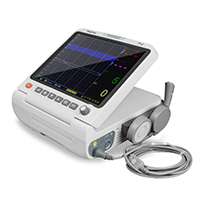
Exploring the Best 10-Inch Maternal Monitors: Top Suppliers and Features of the T10 Fetal Monitor by Hwatime
In the realm of maternal health monitoring, the T10 fetal monitor stands out for its robust features and reliable performance. Designed for both clinical and home settings, this 10-inch monitor offers healthcare providers and expectant mothers a comprehensive tool for tracking fetal heart rates and uterine contractions. According to recent industry reports, the global fetal monitoring market is projected to reach $3.5 billion by 2025, propelled by advancements in technology and increasing demand for maternal healthcare.
The T10 fetal monitor, with its high-resolution display and user-friendly interface, facilitates real-time monitoring of vital signs, which is crucial for early detection of potential complications. An analysis of current fetal monitoring devices indicates a growing trend towards integration of wireless technologies, enabling continuous monitoring without cumbersome equipment. This has been shown to significantly enhance patient comfort and engagement during labor, as highlighted in a 2022 survey by the Maternal-Fetal Medicine Society, where 78% of respondents reported higher satisfaction with wireless monitoring solutions compared to traditional methods.
Several key features make the T10 monitor particularly noteworthy. It includes advanced algorithms for automatic heart rate detection and an intuitive alert system for abnormal readings, ensuring prompt medical interventions if necessary. Additionally, the portability of this device allows for easy transport between different care settings, meeting the increasing need for flexible healthcare solutions as highlighted by the World Health Organization's recommendations for maternal health improvements. This adaptability is essential as healthcare providers strive to deliver optimal care to mothers and their babies in varying environments.
FAQS
: Consider initial purchase price, ongoing maintenance, training, and potential upgrades. All these affect total ownership costs.
Cheaper equipment may incur hidden costs if it requires frequent repairs. Evaluate it carefully for true savings.
Look for extended warranties covering parts and labor. Check for exclusions and specific failure coverage details.
Technical issues can arise. Robust support helps save time and costs, ensuring equipment functions smoothly over time.
Advanced features improve outcomes but can cost more. Balance quality care with budget constraints thoughtfully.
Yes, hidden costs can include repairs and maintenance. Reflect on all potential expenses beyond the initial price.
Reflecting on service quality teaches essential lessons. Prioritize manufacturers with proven after-sales support records.
Ongoing training is crucial. Evaluate if the manufacturer provides regular training sessions for optimal device use.
Yes, focusing solely on features can lead to overspending. Align your choices with clinical needs and budget realities.
Assess their history, support services, and how they handle warranty claims. Reliability is key in healthcare partnerships.
Conclusion
In the ever-evolving landscape of healthcare, patient monitors play a crucial role in ensuring patient safety and effective treatment. Global buyers need to understand the key features of patient monitors, such as accuracy, durability, and connectivity options, which are essential for optimal performance. Evaluating top patient monitor manufacturers involves considering their reputation, technological advancements, and compliance with international standards.
Cost-effectiveness is also a critical factor, as healthcare facilities aim to maximize their budgets while acquiring reliable monitoring solutions. After-sales support and warranty options provided by the patient monitor manufacturer can significantly impact long-term satisfaction and operational efficiency. Additionally, staying informed about trends in patient monitor technology and innovation is vital for making informed purchasing decisions that align with the latest advancements in healthcare.

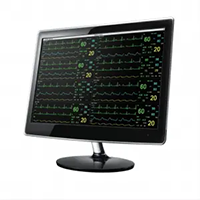 Central Monitoring System
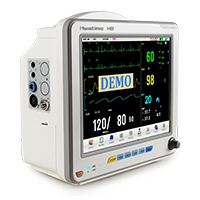 H Series Multi Parameter Patient Monitor
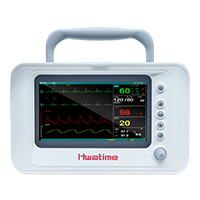 H5 Vital Signs Patient Monitor
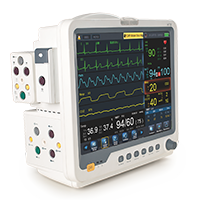 HT Series Semi-modular Patient Monitor
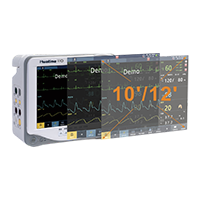 i Series Multi Parameter Patient Monitor
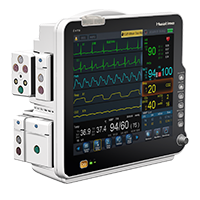 IHT Series Modular Patient Monitor
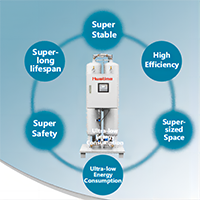 Oxygen Generator System
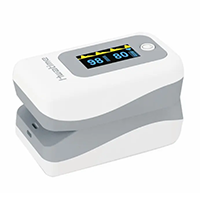 Pulse Oxymeter
 T Series Maternal Monitor/Fetal Monitor
 XM Series Multi Parameter Patient Monitor


