Leave Your Message
0%

Choosing an emergency Patient Monitor isn't just about picking out some gadget — it's a serious clinical decision. In emergency rooms, every second counts, right? A clear waveform, a reliable alarm, and a responsive battery can make all the difference in what happens next. I’ve put together this guide with 10 practical tips to help you evaluate things like screen visibility, measurement accuracy, mobility, connectivity, and support services.

Dr. Mark R. Chassin, a well-known expert in patient safety, famously said, 'Patient safety is a property of systems, not individuals.' That really hits home when it comes to patient monitors. The device needs to support nurses and doctors without adding to alarm fatigue or causing confusion. So, pay close attention to how the ECG, SpO2, NIBP, temperature, and optional EtCO2 functions perform. And don’t forget to test how readable the interface is under tough lighting conditions—those little details really matter.

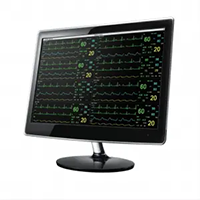
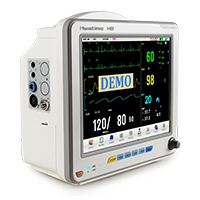
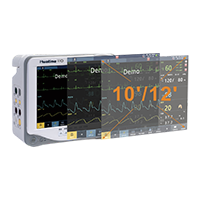
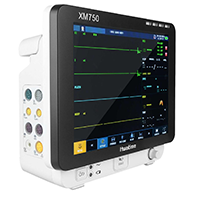
For instance, a 10 Inch Multi Parameter Patient Monitor can be a great fit for busy spots like crowded ERs, ambulances, or bedside triage. But don’t judge just by screen size alone — consider battery life, IP ratings, data export options, alarm customization, and how well it plays with your hospital’s existing systems. It’s smart to compare brands like Philips, GE Healthcare, and Mindray, but always check the latest specs yourself because marketing language can sound reassuring but doesn’t tell the whole story.

Our advice? Hands-on testing, gathering staff feedback, reviewing maintenance records, and making sure tech info is clear and transparent. Because here’s the thing: even the most advanced monitor isn’t useful if it doesn’t fit your department’s needs. Training gaps, messy cable setups, or unclear alarm sounds can seriously undermine a good device. It’s not always about having the newest tech — it’s about choosing carefully to reduce risks and support safer emergency care for everyone involved.

10 Tips for Choosing an Emergency Patient Monitor?

Define the Emergency Patient Monitor’s Clinical Purpose

Defining the clinical purpose should guide every emergency patient monitor decision. A device for resuscitation differs from one used during ambulance transfer. Resuscitation requires rapid ECG, oxygen saturation, blood pressure, temperature, and respiratory-rate visibility. Transport adds battery life, shock resistance, compact design, and secure cables. A 10 Inch Multiparameter Patient Monitor may suit crowded emergency bays because its display remains readable beside a stretcher.

The patient population matters more than impressive specifications. For suspected sepsis, continuous blood pressure and oxygen monitoring can support faster recognition of deterioration. The World Health Organization’s Global Report on Sepsis estimated 48.9 million cases and 11 million related deaths worldwide in 2017. Cardiac emergencies demand fast rhythm interpretation and dependable alarm performance. The American Heart Association’s 2024 statistics report approximately 356,000 out-of-hospital cardiac arrests annually in the United States.

Alarms must match the clinical purpose. Too many alerts can distract staff, while weak thresholds may delay intervention. The Joint Commission has identified alarm safety as a persistent hospital concern. That warning deserves practical attention. Ask whether nurses can adjust limits quickly, silence alarms safely, and identify the patient from several steps away. I would also question assumptions about adult-only use. Pediatric patients need different cuff sizes, alarm limits, and sensor placement. A monitor can be technically advanced yet clinically unsuitable. The right choice begins with the emergency decision it must support, not the number of features listed.

Assess Essential Vital Sign Monitoring Capabilities

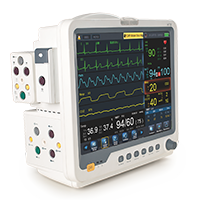
Choosing an emergency patient monitor starts with essential vital sign coverage, not screen size or extra features. A 10 Inch Multiparameter Standard Model Patient Monitor should display ECG, heart rate, SpO2, non-invasive blood pressure, and temperature clearly. These measurements support rapid assessment during triage, transport, and treatment. Check whether the device provides reliable waveform visibility, not only large numerical values. A changing pulse-oximeter waveform can reveal poor sensor contact before an alarm sounds.

Look for fast blood pressure cycling and adjustable measurement intervals. In unstable cases, delayed readings may affect clinical decisions. EtCO2 can add valuable information for ventilated or sedated patients. Invasive pressure support may also matter in critical care areas. Alarm controls deserve careful testing. Alarm limits should be easy to adjust, while important alerts must remain visible in a noisy room. Too many alarms can cause fatigue. That risk is easy to underestimate.

During practical bedside checks, assess performance with movement, cold fingers, weak pulses, and bright lighting. A monitor that works only under ideal conditions is not enough. Review trend storage, battery duration, cleaning access, and data transfer options. Staff should understand the interface after brief training. I would not judge reliability from a single demonstration. Test the monitor repeatedly, record signal interruptions, and question unexplained gaps. The best choice may still require compromise between portability, advanced parameters, and simple operation.

Match Monitor Features to Patient Acuity and Care Settings

Choosing an emergency patient monitor starts with patient acuity, not a feature list. A crashing patient may need ECG, SpO2, noninvasive blood pressure, temperature, and capnography. A stable patient in an observation bay may need fewer parameters. Extra functions can create alarm fatigue. More data is not always better.

In a resuscitation room, choose a bright display, fast measurements, reliable battery life, and clear alarm priorities. The monitor should remain readable under harsh lighting and from several steps away. For transport, weight, handle design, impact resistance, and wireless data transfer matter more. In an ambulance, cables should stay organized during movement. In a general ward, simple controls and easy cleaning can reduce delays between patients.

Match accuracy to clinical risk. Ask how quickly the device detects weak pulses, motion, or changing oxygen levels. Check whether staff can silence, adjust, and document alarms without confusion. Confirm that the monitor supports local protocols and has accessible maintenance records. A careful evaluation should include real patient workflows, not only a vendor demonstration. That part is often overlooked. Cost also deserves honest review; a low purchase price may hide sensor, training, or service expenses. I would still reconsider any selection after observing night-shift use. Daytime testing can make equipment appear easier than it really is.

10 Tips for Choosing an Emergency Patient Monitor? — Match Monitor Features to Patient Acuity and Care Settings

Tip Patient Acuity Typical Care Setting Recommended Monitor Features Why It Matters Practical Selection Check
1 Critical or unstable
Rapidly changing condition, shock, severe respiratory distress, or suspected cardiac event.
Emergency department resuscitation area, trauma bay, intensive care transfer Continuous ECG, multi-lead analysis, SpO₂, non-invasive blood pressure, temperature, respiratory rate, and arrhythmia alarms. Unstable patients may deteriorate within minutes. A broad set of continuously measured parameters supports rapid recognition and intervention. Confirm that all required parameters can be displayed simultaneously and that alarm limits can be individually configured.
2 Moderate to high
Patients requiring frequent reassessment but not necessarily invasive monitoring.
Emergency treatment area, observation unit, postoperative recovery ECG, SpO₂, oscillometric blood pressure, respiratory rate, trend review, and adjustable monitoring intervals. Scheduled measurements combined with continuous oxygen and cardiac monitoring can identify deterioration while supporting efficient patient flow. Look for automatic blood-pressure cycles from short intervals to longer observation intervals, with clear trend displays.
3 Low to moderate
Stable patients needing vital-sign checks or short-term observation.
Triage, urgent care, ambulatory procedure area, general observation Accurate spot-check or transport-capable monitoring, SpO₂, blood pressure, pulse rate, and optional temperature. A simpler configuration can reduce cost, training requirements, and alarm burden when continuous advanced monitoring is not clinically necessary. Choose a device that can perform fast measurements, store results, and clearly distinguish manual spot checks from continuous readings.
4 Any acuity with mobility needs
Patients being moved between departments or during diagnostic procedures.
Interdepartmental transport, imaging, procedure rooms, ambulance transfer Battery operation, compact design, secure mounting, shock resistance, visible alarms, and uninterrupted monitoring during movement. Transport introduces interruptions, limited access to power, and increased risk of lead or sensor disconnection. Verify battery duration under active monitoring, charging time, handle or mounting options, and alarm audibility in noisy environments.
5 Respiratory compromise
Hypoxemia, respiratory distress, sedation, or risk of hypoventilation.
Emergency department, recovery area, respiratory care, procedural sedation Reliable SpO₂, respiratory-rate monitoring, capnography when indicated, waveform display, and low-perfusion performance. Oxygen saturation may remain acceptable while ventilation worsens. Respiratory waveforms and exhaled carbon dioxide can provide earlier warning in selected patients. Check whether the monitor supports the appropriate airway sensor, displays waveforms clearly, and provides clinically adjustable apnea or respiratory alarms.
6 Suspected cardiac instability
Chest pain, syncope, palpitations, abnormal pulse, or known arrhythmia.
Cardiac emergency area, resuscitation room, monitored observation unit Diagnostic-quality ECG acquisition, multiple ECG leads, arrhythmia detection, ST-segment analysis where appropriate, and synchronized defibrillation support. More comprehensive ECG information can help identify rhythm changes and ischemic patterns while supporting emergency treatment workflows. Confirm lead configuration, ECG filtering options, event capture, alarm delay settings, and compatibility with the facility’s resuscitation procedures.
7 Pediatric or neonatal
Small patients with age- and weight-dependent vital-sign ranges.
Pediatric emergency care, neonatal care, mixed-age treatment areas Pediatric and neonatal modes, appropriately sized cuffs and sensors, gentle alarm limits, low-current accessories, and age-specific settings. Incorrect cuff size, sensor placement, or alarm thresholds can produce inaccurate readings or inappropriate alerts in smaller patients. Ensure the accessory range covers the intended patient population and that pediatric settings cannot be selected accidentally without confirmation.
8 Patients with difficult measurement conditions
Low perfusion, tremor, obesity, burns, edema, or frequent movement.
Emergency department, prehospital care, vascular or critical-care assessment Motion-tolerant SpO₂, repeat-measurement capability, wide cuff range, selectable ECG filters, and clear signal-quality indicators. Emergency environments often produce artifact and weak signals. Signal-quality feedback helps clinicians judge whether a value is reliable. Test representative cuffs and sensors on challenging patients or simulators, and verify that poor-quality readings are visibly identified.
9 Any acuity in a high-workload environment
Multiple patients monitored by rotating staff.
Busy emergency department, disaster response area, temporary treatment space Intuitive interface, color-coded parameter status, prioritized alarms, large numerals, configurable layouts, and rapid patient admission. Clear information design reduces cognitive load and helps clinicians recognize the most urgent changes without navigating complex menus. Conduct usability testing with representative staff and measure the time required to admit a patient, change limits, silence an alarm, and review trends.
10 Any acuity requiring reliable documentation
Patients whose readings must be reviewed, transferred, or included in the medical record.
All emergency and acute-care environments Trend storage, time-stamped events, secure data export, network interoperability, audit controls, and cybersecurity protections. Accurate time-linked records support clinical handoffs, quality review, billing workflows, and continuity of care. Confirm compatibility with the facility’s information systems, user authentication requirements, data-retention policy, and downtime procedures.

Selection reminder: Monitor configuration should follow local protocols, patient population, staffing, transport requirements, and applicable regulatory and infection-control policies. Alarm settings must be individualized by qualified clinical staff.

Verify Alarm Performance, Usability, and Customization

10 Tips for Choosing an Emergency Patient Monitor

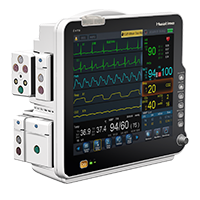
Verify alarm performance before judging screen size or price. In a crowded emergency room, a delayed alarm can be missed behind voices, suction noise, and equipment movement. Test audible volume, visual indicators, alarm priorities, and silence intervals with staff wearing gloves. The 10 Inch Surgical Semi-Modular Model Patient Monitor should remain readable from several angles, even beneath dim operating lights. Ask whether alarms remain clear when multiple measurements change together. Loud enough matters.

Usability appears during stressful minutes. Nurses should locate vital signs, acknowledge alarms, and adjust limits without searching through complex menus. Use a simulated patient scenario, not only a showroom demonstration. Check whether the control layout makes sense after brief training. I once treated a quiet interface as a minor issue. That was a mistake. Small delays become important during patient transfer, resuscitation, or equipment cleaning. Test the monitor with real cables and common protective gloves.

Customization should support clinical judgment, not invite careless changes. Set alarm limits by patient condition, department policy, and measurement type. The system should show who changed a limit and when. It should also protect essential alarms from accidental suppression. Review default settings with experienced clinicians, biomedical engineers, and infection-control staff. Their concerns may conflict, and that is useful. Document the final configuration, train every shift, and reassess alarm patterns after installation. Perfect settings rarely exist on day one.

Evaluate Portability, Connectivity, and Power Options

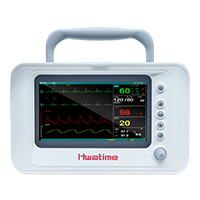
In emergency care, portability affects every movement from ambulance bay to treatment room. Choose a monitor that one clinician can carry securely, even with gloves. Weight matters. Check the handle, screen angle, cable storage, and attachment points during a realistic walk. A bright display should remain readable under harsh lights. Rounded surfaces and sealed controls simplify cleaning. An IP rating can indicate resistance to dust and moisture, but it does not replace practical testing.

Connectivity should support rapid decisions, not create another obstacle. Confirm stable wireless performance through walls and crowded clinical areas. Keep a wired option for locations with weak signals. Check whether the monitor can share vital signs with existing clinical systems using recognized data standards. Review alarm transmission, user permissions, encryption, and offline data storage with the hospital’s technical team. Compatibility claims need evidence. Request a live demonstration with your actual network, not only a sales presentation. Keep it simple.

Power planning deserves equal attention. Compare battery duration during continuous monitoring, screen brightness, and wireless use. A replaceable battery can reduce downtime during transfers. Check charging options for wall outlets, vehicles, and mobile treatment carts. Clear low-battery warnings should appear early, not at the bedside crisis point. Test charging cables for strain and secure connections. In my experience, teams often focus on features and overlook power recovery after a long shift. That mistake is understandable, but it needs correction. Run a full workflow trial, record failures, and ask whether staff can operate the monitor under pressure.

10 Tips for Choosing an Emergency Patient Monitor

Practical screening targets for portability, connectivity, and power resilience

The chart converts key selection factors into measurable screening targets. Lower weight and faster startup support rapid transport, while longer battery runtime, multiple connectivity options, visible alarms, and ingress protection improve resilience in emergency environments. These are practical evaluation thresholds rather than universal regulatory requirements; always confirm specifications, local standards, and clinical workflow needs before purchase.

Compare Safety Standards, Maintenance Needs, and Total Cost

Choosing an emergency patient monitor requires more than comparing screen size or advertised features. Safety standards should come first. Check electrical safety certification, alarm performance, electromagnetic compatibility, and protection against fluid exposure. Confirm that the documentation matches your region and clinical environment. For a 10 Inch Veterinary Patient Monitor, verify whether sensors suit dogs, cats, and other treated species. Small details matter.

Maintenance affects patient safety and operating costs. Ask how often the monitor needs calibration, battery testing, software updates, and alarm checks. Look for removable cables, clear connectors, and surfaces that tolerate approved disinfectants. In a busy treatment room, cleaning should not feel like dismantling equipment. Replacement sensors and batteries can become expensive surprises. Keep records.

Total cost includes more than the purchase invoice. Include accessories, training, service visits, downtime, consumables, and disposal requirements. A lower-priced unit may cost more when a failed battery interrupts emergency care. Request a realistic five-year estimate from the supplier, not only a list price. Compare warranty coverage and response times for technical support. I would also test the monitor during a simulated emergency before approval. Specifications can look reassuring. Real use is less tidy. One overlooked issue may be cable length, alarm audibility, or confusing menus. Teams should record these findings honestly and review them before purchase.

ICU Monitoring Market Outlook Based on Grand View Research: H5 Vital Signs Monitor Quality, Price & Factory Guide

The ICU monitoring market is moving toward compact, accurate, and continuously connected devices that support rapid clinical decisions. An H5 Vital Signs Monitor can be positioned for intensive care, emergency rooms, recovery areas, and transport use when it provides reliable measurements for oxygen saturation, noninvasive blood pressure, pulse rate, temperature, and respiratory rate. A clear display, adjustable alarm limits, trend storage, and flexible sensor options are important quality indicators, while stable performance during frequent operation remains essential in demanding hospital environments.

Pricing for an H5 monitor generally depends on configuration, screen size, measurement modules, accessories, software functions, and order volume. Buyers should compare total value rather than focusing only on the initial quotation, including calibration support, warranty coverage, spare sensors, packaging, and technical service. A practical purchasing review should also verify measurement accuracy, electrical safety, battery endurance, user-interface simplicity, and compatibility with existing clinical workflows.

When evaluating a factory, purchasers can examine production capacity, quality-control procedures, component traceability, inspection records, and consistency between samples and mass-produced units. Clear documentation, responsive communication, customizable specifications, and dependable delivery schedules can reduce procurement risks. Factories capable of supporting private labeling, multilingual manuals, software adjustments, and after-sales training may be suitable for distributors and healthcare projects seeking a scalable ICU monitoring solution.

FAQS

How should a monitor’s features match patient acuity?

Start with clinical risk, not the feature list. A critical patient may need ECG, oxygen saturation, blood pressure, temperature, and capnography. A stable observation patient may need fewer measurements. More data can create alarm fatigue.

What features matter in a resuscitation room?

Choose a bright display, rapid measurements, dependable battery life, and clear alarm priorities. Staff should read the screen from several steps away. Harsh lighting should not hide vital values.

What should be considered during patient transport?

Weight, handle design, impact resistance, and wireless transfer are important. Cables should remain organized inside a moving ambulance. Small cable problems can become large delays.

Which monitor controls support safer workflows?

Staff should silence, adjust, and document alarms without confusion. Test these actions during realistic patient workflows. A demonstration alone may look too perfect.

How should accuracy be evaluated?

Check how quickly the monitor detects weak pulses, movement, and changing oxygen levels. Match accuracy with clinical risk. Do not rely only on printed specifications.

What safety documentation should buyers review?

Review electrical safety certification, alarm performance, electromagnetic compatibility, and fluid protection. Confirm that documents fit the local region and care setting. Missing paperwork deserves attention.

What maintenance questions should be asked before purchase?

Ask about calibration, battery testing, software updates, and alarm checks. Check whether cables can be removed easily. Surfaces should tolerate approved disinfectants. Keep maintenance records.

How can the true long-term cost be estimated?

Include accessories, training, service visits, downtime, consumables, and disposal. Request a realistic five-year estimate. A low purchase price may hide expensive batteries or sensors.

Why should monitors be tested during night-shift conditions?

Night testing can reveal weak alarm audibility, confusing menus, and poor screen visibility. Daytime testing may make equipment seem easier. I would reconsider any choice after observing real staff use.

Conclusion

Choosing the right Emergency Patient Monitor begins with clearly defining its clinical purpose, whether it will support rapid assessment in emergency rooms, continuous observation during transport, or monitoring in critical care areas. Evaluate essential capabilities such as ECG, oxygen saturation, non-invasive blood pressure, temperature, respiratory rate, and other measurements required by your patients. The monitor should match patient acuity and fit the workflow of the intended care setting.

Pay close attention to alarm accuracy, visibility, sound levels, and customization options so clinicians can respond quickly without unnecessary alarm fatigue. Portability, battery life, connectivity, data sharing, and power flexibility are also important for mobile or crowded environments. Finally, review applicable safety standards, cleaning requirements, maintenance procedures, training needs, warranty coverage, and the total cost of ownership. A well-chosen Emergency Patient Monitor should provide dependable performance, intuitive operation, and practical long-term value while supporting safe and efficient patient care.

Lila

Lila

Lila is a dedicated marketing professional at Shenzhen Huateng Biomedical Electronics Co., Ltd., where she leverages her extensive expertise in the biomedical industry to drive the company's growth and visibility. With a deep understanding of her company’s innovative medical electronic products,......
Previous Why Choose a Fetal Heart Monitor for Your Clinic?