In today's fast-changing healthcare world, picking the right Modular Patient Monitor can feel pretty overwhelming. Dr. Emily Sanderson, a well-known expert at HealthTech Solutions, points out, "The right monitor can really change how we care for patients, boosting both safety and efficiency." With so many options out there, especially different configurations, it’s important to carefully consider what each individual setting needs.
When you’re looking at options like the 10 Inch Surgical Semi-Modular Model Patient Monitor, healthcare providers should think about balancing features with budget. These monitors are great because they offer flexibility—you can add different modules based on what’s needed at the moment. But honestly, one size definitely doesn’t fit all in healthcare.
Getting a modular patient monitor might seem pretty simple at first glance, but it’s actually worth thinking carefully about features, support, and whether everything will work well together. Picking the wrong one could really hurt patient outcomes. Experts usually suggest making a list of the must-have features before going shopping. Usually, it’s best to have a good chat with your team to figure out what’s most important—keeping patient care as the top priority, of course.

Understanding Modular Patient Monitors and Their Benefits
Modular patient monitors are essential tools in modern healthcare. They offer flexibility and adaptability to various clinical settings. Understanding their features is crucial for healthcare providers. A modular system allows hospitals to customize the monitoring setup to meet specific patient needs. This adaptability can improve patient outcomes significantly.
When choosing a modular patient monitor, consider the specific requirements of your unit. Some monitors feature a 12 Inch Icu Semi-Modular Model Patient Monitor that enhances visibility. This model provides clear data displays, allowing clinicians to make quick decisions. However, user-friendliness is essential. Complicated interfaces can lead to errors. It's important that staff can easily navigate the system.
Additionally, evaluate how these monitors integrate with existing hospital systems. Compatibility can affect data sharing and overall efficiency. Some facilities may struggle with integration challenges. It’s vital to address these concerns before investing. Continuous training and updates are necessary for optimal use. Regular feedback from medical staff can help refine the monitoring system. Having a reliable monitoring setup is key to enhancing patient care and safety.
Key Features to Consider When Choosing a Modular Patient Monitor
When choosing a modular patient monitor, several key features stand out. The flexibility to customize settings is crucial. Different patients have unique needs, and a good monitor adjusts accordingly. Look for options that allow integration with various modules, enhancing versatility. A display with clear visuals is essential, too. Information must be easy to read, even from a distance.
Another important feature is alarm management. Effective monitors reduce false alarms, minimizing stress for both staff and patients. Advanced analytics capabilities enable better decision-making. This helps in monitoring patient trends over time. It's also wise to consider connectivity options. Seamless networking with electronic health records improves data accessibility.
One should not overlook user training and support. Implementation can be challenging. Staff always needs proper education on new equipment. Investigate the vendor’s support system. Reliable assistance fosters a smoother transition. Reflect on the balance between high-tech features and ease of use. An overly complex system can lead to confusion. Aim for an effective solution that meets genuine healthcare demands.
Types of Modular Patient Monitors Available in the Market
When selecting a modular patient monitor, understanding the available types is essential. One prevalent option is the 12 Inch Icu Semi-Modular Patient Monitor . This model combines essential monitoring features with a compact design, making it suitable for various healthcare settings. Its semi-modular approach simplifies upgrades, allowing healthcare facilities to adapt as technology evolves.
Another type is a fully Modular Monitor, offering multiple interchangeable modules. This flexibility enables customization for specific patient needs. Hospitals might choose full modular systems for their versatility, but this can lead to complexity in management. Not every facility will require such intricate setups. It’s crucial to evaluate the needs and capabilities of your medical team.
Additionally, some monitors focus on specialties, such as neonatal or ECG monitoring. Specialty options cater to specific patient populations but may not integrate well with broader systems. This disconnect is a common challenge. Consider how well these devices fit within your overarching monitoring strategy, especially when dealing with critical patients in intense settings.
Assessing Compatibility with Existing Hospital Systems
When selecting a modular patient monitor, compatibility with existing hospital systems is crucial. The right monitor should integrate smoothly into the hospital's current infrastructure. Assessing interoperability can prevent unnecessary disruptions. This integration ensures that vital patient data flows correctly between systems.
Evaluating connectivity options is essential. Look for monitors that support standard communication protocols. This enables seamless data exchange with electronic health records and other systems. However, the challenge lies in the variety of existing systems in use. Each facility has unique setups, which makes universal compatibility difficult to achieve.
In practice, hospitals often face unexpected issues during implementation. These can include software glitches or hardware incompatibilities. It’s vital to conduct thorough testing before full deployment. Engaging with IT professionals can help identify potential gaps. Long-term support from system providers is also important for smooth operation and timely troubleshooting.
2026 Modular Patient Monitor Compatibility Assessment
Evaluating the Cost-Effectiveness of Modular Patient Monitors
When evaluating the cost-effectiveness of modular patient monitors, one must consider several factors. A modular patient monitor allows healthcare providers to customize the system according to their specific needs. For instance, the 8 Inch Multifunction Semi-Modular Model Patient Monitor offers flexible configurations that can adapt to various clinical settings. A study by Market Research Future indicates that the global modular patient monitor market will grow at a CAGR of over 7% through 2025.
One key aspect of cost-effectiveness is the initial investment versus long-term benefits. Modular systems may cost more upfront, but they can reduce maintenance and training costs in the long run. A recent healthcare report highlighted that hospitals using modular systems reported a 20% decrease in downtime due to easy upgrades and repairs. This points to the potential for improved operational efficiency.
Tips: Always evaluate your specific requirements before investing. Consider both the features you need and the future scalability of the system. Using a modular approach allows facilities to add components as necessary rather than replace entire systems. It can lead to significant savings over time while enhancing patient care.
Importance of User Training and Support in Implementation
User training and support play a crucial role in the implementation of modular patient monitors. While choosing the right device is important, ensuring users are well-trained is equally vital. Understanding how to operate the monitor effectively maximizes its potential. A well-trained staff can swiftly respond to alerts and changes in patient conditions. In busy hospital environments, this capability can save lives.
Importantly, ongoing support cannot be overlooked. Training sessions should not be one-off events. Regular refreshers reinforce skills and keep staff updated on new features. Hospitals may consider mentorship programs, pairing seasoned staff with new hires. This practical training fosters confidence and competence. Additionally, feedback should be encouraged. Staff may encounter challenges in real-life settings that training cannot fully address. Listening to these insights can lead to improved training methods and device functionality.
Balancing training with the fast-paced demands of healthcare can be challenging. Staff may feel overwhelmed or forget key procedures under stress. Recognizing this can help institutions adjust their training practices. It’s vital to create an environment where learning is continuous, not a destination. Each team member should feel equipped and supported in their role.
Future Trends in Modular Patient Monitoring Technology
The future of modular patient monitoring technology is rapidly evolving. As healthcare systems increasingly embrace precision medicine, the demand for customizable and scalable solutions is growing. According to a recent market research report, the modular patient monitoring market is projected to reach $4 billion by 2026. This indicates a shift towards adaptable systems that can meet diverse clinical needs.
Technologies like cloud computing and artificial intelligence are reshaping modular monitors. Integrating wearable devices allows for continuous data collection. However, reliability and data security remain major concerns. Stakeholders must prioritize these aspects while implementing innovative solutions. The focus is also shifting toward user-friendly interfaces that improve clinical workflows and enhance patient engagement.
AG Modular Patient Monitor systems exemplify how these trends evolve. Professionals highlight the need for seamless interoperability. Despite the advancements, ongoing challenges include standardization and training healthcare staff effectively. The potential for improved patient outcomes is immense, but the industry must reflect on these hurdles to fully realize the benefits of modular monitoring technology.
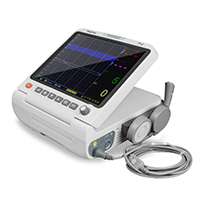
Optimizing Maternity Care with Hwatime's T10 Fetal Monitor: A Comprehensive Review of Features and Pricing
In the realm of maternity care, the integration of advanced fetal monitors has become crucial in ensuring the well-being of both mothers and their infants. The Hwatime T10 Fetal Monitor stands out as a robust tool, designed to optimize the maternity care experience through its innovative features and competitive pricing. According to a recent report by the World Health Organization, continuous electronic fetal monitoring can lead to significant improvements in neonatal outcomes, thus underscoring the importance of investing in efficient monitoring systems.
The T10 Fetal Monitor boasts features such as real-time fetal heart rate tracking, high-definition graphical displays, and user-friendly interfaces, which enhance the ease of use for healthcare providers. Studies indicate that effective monitoring allows for timely interventions, potentially reducing the risk of complications during labor. Furthermore, with an increasing emphasis on patient-centered care, the T10’s integrated communication capabilities enable healthcare professionals to maintain clear and immediate interactions with expecting mothers, thus fostering a more supportive environment during the labor process.
Pricing remains a critical factor for healthcare institutions when selecting monitoring equipment. The T10 Fetal Monitor offers competitive pricing without compromising on its advanced features, making it an attractive option for hospitals striving to enhance their maternity services. As healthcare budgets tighten, the ability to procure high-quality equipment like the T10 can lead to better patient outcomes, as highlighted by a 2022 survey from the Journal of Maternal-Fetal & Neonatal Medicine, which found a strong correlation between the quality of monitoring equipment and maternal satisfaction rates.
FAQS
: Compatibility ensures smooth integration with hospital systems, aiding proper data flow and preventing disruptions.
Look for monitors that support standard communication protocols for seamless data exchange with existing systems.
Issues like software glitches and hardware incompatibilities may occur, highlighting the need for thorough testing.
Although initial investments may be higher, they often lead to lower maintenance costs and better long-term benefits.
Key trends include the rise of precision medicine, cloud computing, and AI, leading to more customizable solutions.
A user-friendly interface can improve clinical workflows and enhance patient engagement in healthcare settings.
Ongoing challenges include standardization, training healthcare staff, and ensuring data security.
They allow for easy upgrades and repairs, significantly reducing downtime by around 20% according to reports.
Analyze specific needs, potential features, and future scalability to ensure a suitable fit for the hospital's requirements.
A projected market growth points to a shift toward adaptable monitoring systems that can meet varied clinical needs.
Conclusion
Modular Patient Monitors are advanced tools that enhance the capability of healthcare facilities by allowing customization based on specific patient needs. These monitors provide various benefits, including improved patient monitoring and flexible integration into existing hospital systems. When choosing the best Modular Patient Monitor, it is essential to consider key features such as compatibility with current equipment, user-friendliness, and cost-effectiveness.
The market offers different types of Modular Patient Monitors, catering to diverse clinical requirements. Furthermore, investing in proper user training and ongoing support is crucial for the successful implementation of these advanced systems. As technology evolves, staying updated on future trends will ensure that healthcare providers can maximize the benefits of Modular Patient Monitoring.

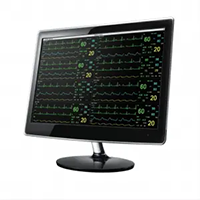 Central Monitoring System
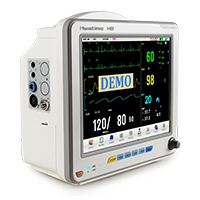 H Series Multi Parameter Patient Monitor
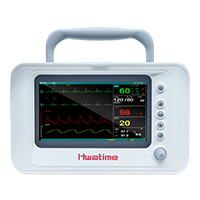 H5 Vital Signs Patient Monitor
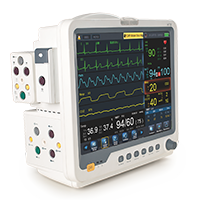 HT Series Semi-modular Patient Monitor
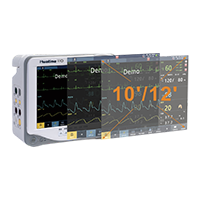 i Series Multi Parameter Patient Monitor
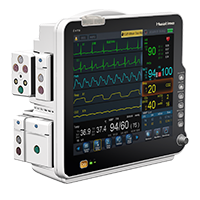 IHT Series Modular Patient Monitor
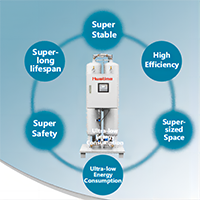 Oxygen Generator System
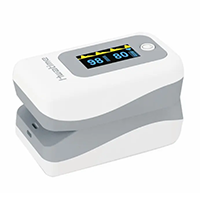 Pulse Oxymeter
 T Series Maternal Monitor/Fetal Monitor
 XM Series Multi Parameter Patient Monitor


