Leave Your Message
0%

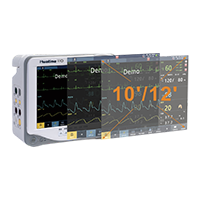
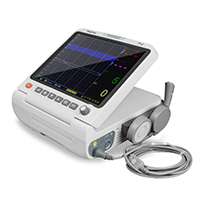
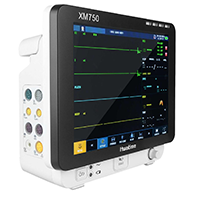
So, why pick a Multi-Parameter patient monitor? Well, these devices are pretty handy—they bring together all the vital signs into one clear view. Instead of juggling separate gadgets for oxygen levels, blood pressure, temperature, pulse, and ECG, you get everything at a glance. Especially in a busy ward, this saves a ton of time and hassle. For instance, a 10-inch monitor like this can sit right next to a patient’s bed, on a trolley, or even on a transport cart. It’s pretty flexible. The screen might show a pulse waveform, blood pressure reading, and an alarm indicator all at once—pretty cool, right?

Dr. Peter Pronovost, a expert in critical care and patient safety, once said, “Make it easy to do the right thing and hard to do the wrong thing.” That’s a good rule of thumb when you’re choosing monitoring gear. Things like clear labels, adjustable alarms, trend graphs, and straightforward controls really help clinicians make quick decisions. But, don’t forget—technology’s a tool, not a replacement for actually assessing the patient. Sometimes readings can be off because of motion, poor sensor contact, low blood flow, or just bad sensor placement.

And let’s be real—no device is perfect. Hospitals need to think about how these monitors fit into their workflow, whether staff are trained properly, what kind of maintenance and data connectivity they need, and how easy they are to clean. They also should ask if the monitor works well in emergency rooms, general wards, ORs, or ambulances. Big brands like Philips, GE Healthcare, and Mindray offer different options, but just knowing the name isn’t enough. The real question is: can it stay readable and reliable when there’s noise, movement, or pressure around?

And the answer? That’s something that has to be backed by real evidence.

A good multi-Parameter Monitor should support healthcare providers without overwhelming them with false alarms. It should highlight important changes clearly, but still leave room for doctors and nurses to use their judgment. Sometimes, it’s the tiny details in design that matter the most.

Why Choose a Multi Parameter Patient Monitor?

What Is a Multi-Parameter Patient Monitor?

Why Choose a Multi Parameter Patient Monitor?

A multi-parameter patient monitor is a clinical device that displays several vital signs on one screen. It may track ECG, heart rate, oxygen saturation, non-invasive blood pressure, temperature, and respiration. Some configurations also measure carbon dioxide levels. This combined view helps clinicians notice changes between vital signs, rather than reviewing isolated readings.

At the bedside, one screen can show a rising heart rate beside falling oxygen saturation. Numbers need context. Patient movement, poor sensor contact, cold skin, and electrical interference can create misleading values.

In daily care, the monitor supports observation during surgery, recovery, emergency treatment, and critical care. It provides trends, alarm notifications, and repeated measurements for informed decisions. However, it does not replace clinical judgment. A nurse or physician must assess breathing effort, skin color, consciousness, and the patient’s history.

I have found that alarms are useful, but excessive alarms can cause fatigue. Settings require careful adjustment. The device also needs routine checks, appropriate sensors, accurate blood pressure cuffs, and scheduled maintenance.

Tips: Place sensors securely, but avoid tight pressure. Confirm unusual readings manually when possible. Review trends, not just single numbers. Document clinical changes beside monitor data. A quiet screen is not always reassuring.

Which Vital Signs Can It Measure?

Why Choose a Multi Parameter Patient Monitor?

Which Vital Signs Can It Measure?

A multi parameter patient monitor can track several vital signs at the bedside. Common measurements include heart rate, ECG waveforms, oxygen saturation, blood pressure, temperature, and respiratory rate. Some configurations also measure end-tidal carbon dioxide. However, available parameters depend on the device and clinical setting.

The World Health Organization’s 2023 Global Report on Hypertension estimates that 1.28 billion adults aged 30–79 live with hypertension. Nearly 46% are unaware of their condition. This makes repeated blood pressure measurement especially valuable. Continuous ECG and heart rate monitoring can reveal rhythm changes. Pulse oximetry shows oxygen saturation and pulse rate. Temperature trends may support infection assessment, while respiratory rate can signal early deterioration.

Small details matter.

The American Heart Association identifies respiratory rate as an important warning sign, yet it is often estimated rather than measured directly. A multi parameter monitor can reduce that gap. Still, numbers are not automatically reliable. Motion, cold fingers, poor electrode placement, and irregular breathing can distort readings. I have seen a normal-looking screen invite false confidence. Staff must check the patient, sensor position, waveform quality, and recent trends. The monitor supports clinical judgment; it does not replace it. Calibration, alarm settings, and documented observations remain essential for safe use.

How Does Multi-Parameter Monitoring Work?

Why Choose a Multi Parameter Patient Monitor?

A multi-parameter patient monitor combines several vital measurements in one bedside system. A 12 Inch Multi Parameter Patient Monitor may display ECG, oxygen saturation, blood pressure, temperature, and respiration. Each sensor captures a different physiological signal. ECG electrodes detect the heart’s electrical activity. A pulse oximeter estimates oxygen saturation through light absorption. An inflatable cuff measures blood pressure at set intervals. Temperature probes track thermal changes. Respiration may be calculated from chest movement or ECG signal variation.

Inside the monitor, software filters noise and converts raw signals into readable values. It also checks signal quality before presenting results. The screen shows current readings, waveforms, trends, and alarm conditions. Trend graphs can reveal gradual changes that a single measurement may miss. Alarm limits must match the patient’s condition and clinical protocol. Poor settings can create alarm fatigue. Clinicians should compare monitor data with the patient’s appearance, symptoms, and manual assessments.

In practice, motion, weak circulation, sweat, or loose electrodes can distort readings. The monitor is helpful, but not infallible. I have seen a stable number appear during obvious patient discomfort. That detail requires attention, not blind trust. Regular sensor checks, proper positioning, and documented maintenance improve reliability. Staff should also verify unexpected results before making important clinical decisions. Different patients need different monitoring priorities, and the displayed parameters should reflect that.

Why Choose a Multi Parameter Patient Monitor? - How Does Multi-Parameter Monitoring Work?

Parameter Measurement Principle Typical Displayed Data Common Adult Reference or Operating Range Primary Clinical Use Important Considerations
Electrocardiography (ECG) Electrical potentials detected through skin electrodes and converted into an ECG waveform. Heart rate, ECG waveform, rhythm alarms, and sometimes ST-segment analysis. Resting adult heart rate: approximately 60–100 beats/min. Continuous rhythm surveillance, detection of bradycardia, tachycardia, and some arrhythmias. Motion, poor electrode contact, and electrical interference may create artifact. ECG alarms require clinical confirmation.
Pulse Oximetry (SpO2) Uses different absorption of red and infrared light to estimate arterial oxygen saturation and pulse rate. SpO2 percentage, pulse rate, and plethysmographic waveform. Often approximately 95–100% at sea level in healthy adults; target values may differ by condition. Assessment of oxygenation during respiratory illness, anesthesia, recovery, and critical care. Low perfusion, motion, nail products, skin-temperature changes, and certain hemoglobin conditions can affect accuracy.
Non-Invasive Blood Pressure (NIBP) An inflatable cuff temporarily occludes the artery; oscillations during deflation are analyzed to estimate blood pressure. Systolic pressure, diastolic pressure, mean arterial pressure, and measurement time. A commonly cited normal adult reading is below 120/80 mmHg, but interpretation depends on clinical context. Trend monitoring, hypertension assessment, perioperative care, and hemodynamic observation. Correct cuff size and arm position are essential. Movement, talking, arrhythmias, and repeated cycling may influence results.
Respiratory Rate (RR) Usually derived from thoracic impedance changes through ECG electrodes or from a respiratory sensor. Breaths per minute and a respiratory waveform. Typical resting adult rate: approximately 12–20 breaths/min. Early identification of respiratory deterioration, apnea, sedation-related depression, or increased work of breathing. Shallow breathing, patient movement, talking, and poor electrode placement may reduce reliability.
Temperature A thermistor, thermocouple, or infrared sensor detects temperature at a selected body site. Temperature value in °C or °F, trend graph, and high/low alarms. Normal values vary by site; approximately 36.1–37.2 °C is a commonly referenced oral range. Fever detection, perioperative temperature control, and monitoring of infection or hypothermia risk. Measurement site, probe placement, ambient conditions, and recent activity affect readings.
Invasive Blood Pressure (IBP) A fluid-filled catheter transmits arterial or venous pressure to a calibrated pressure transducer. Continuous systolic, diastolic, and mean pressure waveforms. Values are patient- and site-dependent; no single range applies to all invasive monitoring situations. Continuous hemodynamic monitoring during critical illness, major surgery, and vasoactive therapy. Requires sterile technique, correct leveling and zeroing, waveform assessment, and monitoring for infection or thrombosis.
End-Tidal Carbon Dioxide (EtCO2) Infrared analysis measures carbon dioxide concentration in exhaled gas at the end of expiration. EtCO2 value in mmHg, capnogram, and respiratory rate. Commonly approximately 35–45 mmHg in ventilated adults, depending on clinical circumstances. Ventilation assessment, airway confirmation, procedural sedation, and cardiopulmonary resuscitation. Leaks, sampling-line obstruction, low cardiac output, and severe ventilation-perfusion mismatch can alter interpretation.
Integrated Alarm Management The monitor compares measured values and signal quality with configured limits and technical conditions. Visual alerts, audible alerts, alarm priority, and technical-warning messages. Limits should be individualized according to the patient, clinical protocol, and care setting. Supports rapid recognition of significant changes and reduces the need to check each parameter separately. Alarm settings must be reviewed by qualified staff; alarms do not replace patient assessment or clinical judgment.

Note: Reference values are general adult examples for educational comparison. Actual interpretation depends on age, health status, measurement site, device configuration, and clinical context.

Why Is It Important in Clinical Care?

Why Choose a Multi Parameter Patient Monitor?

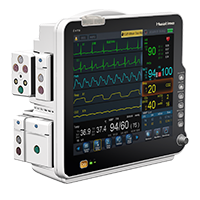
In clinical care, a multi-parameter monitor brings vital information into one bedside view. A 12 Lead ECG Multi Parameter Patient Monitor can display cardiac rhythm, heart rate, oxygen saturation, blood pressure, temperature, and respiration. This shared view helps clinicians notice changes earlier. A falling oxygen level may appear beside a rising respiratory rate. That pattern can influence urgent assessment.

At the bedside, nurses often compare monitor readings with skin color, breathing effort, alertness, and patient reports. Numbers matter, but they are not the whole patient. Clear waveforms and adjustable alarm limits can reduce missed deterioration during busy shifts. However, alarms may become distracting when limits are poorly set. That is a real weakness. Staff need training, regular calibration, and careful alarm review.

The monitor also supports communication between nurses, physicians, and emergency teams. Trend data can show whether treatment is working over several minutes or hours. Accurate blood pressure measurement depends on cuff size, patient movement, and correct positioning. ECG quality can suffer from loose electrodes or perspiration. Small setup errors matter. For reliable decisions, clinicians should confirm unusual readings manually and document relevant changes. Routine cleaning, battery checks, and electrical safety inspections also protect patients and staff. Its value grows when technology supports attentive observation, rather than replacing clinical judgment.

Where Are These Monitors Commonly Used?

Multi-parameter patient monitors are commonly used where patient conditions can change quickly. Ambulances rely on them during roadside care and hospital transport. An Ambulance Multi Parameter Patient Monitor can track vital signs while movement, noise, and limited space complicate assessment. It may display heart rate, oxygen saturation, blood pressure, temperature, and respiratory information. Seconds matter.

Emergency departments use these monitors for rapid triage and continuous observation. A patient arriving with chest discomfort may need repeated blood pressure checks and ECG monitoring. Another patient with breathing difficulty may require close oxygen saturation tracking. Clinicians can compare readings over time instead of relying on one measurement. The setting changes.

These monitors also support intensive care units, operating rooms, recovery areas, and general wards. In critical care, staff often connect several monitoring functions to identify subtle changes early. During surgery, stable readings help teams respond to anesthesia-related risks. On a recovery ward, a monitor can alert staff when a patient’s condition moves outside expected limits.

Use depends on training, sensor placement, and regular equipment checks. A poor connection can create misleading data. That detail is easy to overlook. Professional teams confirm readings against the patient’s symptoms and manual assessment when needed. No monitor replaces clinical judgment, and not every alarm signals danger. Its value comes from dependable measurements, appropriate settings, and timely human response.

What Features Should Buyers Consider?

Choosing a Cardiac Multi Parameter Patient Monitor requires more than counting displayed values. Buyers should match features with bedside decisions, patient acuity, and staff workflow. Essential parameters may include ECG, heart rate, SpO2, non-invasive blood pressure, temperature, and respiration. In cardiac care, reliable arrhythmia detection and clear waveform presentation matter greatly. A bright screen helps nurses read values from several feet away. It sounds simple, but poor visibility can delay action.

Alarm design deserves close attention. The Joint Commission’s Sentinel Event Alert 50 documented 98 alarm-related deaths and 80 serious injuries in reviewed events. Adjustable limits, graded priorities, pause controls, and trend views can reduce unnecessary interruptions. Buyers should also examine measurement accuracy across motion, weak perfusion, and different patient sizes. A monitor that performs well in a quiet test room may behave differently beside a restless patient. No monitor is perfect.

Tips: Ask clinicians to test the device during realistic rounds. Check battery duration, cleaning procedures, data export, network security, and service response times. Compare published validation data, not only marketing claims. The 2024 ECRI health technology hazards report again highlighted risks linked to missed or poorly managed alarms. Buyers should request hands-on trials and document failure points. One overlooked detail matters: cable layout. Tangled leads slow transfers and create avoidable confusion.

How Can It Improve Patient Safety and Efficiency?

A multi-parameter patient monitor can improve safety by showing several vital signs on one clear screen. Heart rate, blood pressure, oxygen saturation, temperature, and breathing patterns can be observed together. This helps clinicians notice changes before a patient appears seriously unwell. A rising pulse with falling oxygen levels may require faster assessment. Trend displays also reveal gradual deterioration that a single reading could miss. That matters.

These monitors can improve efficiency during routine checks and urgent care. Nurses spend less time moving between devices and recording separate measurements. Automatic alerts can draw attention to abnormal values, while stored trends support more informed clinical decisions. However, alarms are not perfect. Excessive alerts may cause fatigue, especially when sensors are loose or patients move. Staff still need training, proper alarm settings, and regular sensor checks. A monitor supports judgment; it does not replace it. Even accurate data can be misunderstood. Teams should confirm unusual readings, assess the patient directly, and document relevant changes. In busy wards, this discipline may be difficult to maintain. That weakness deserves honest attention.

FAQS

: What is a multi-parameter patient monitor?

: It displays several vital signs on one screen. Readings may include ECG, heart rate, oxygen saturation, blood pressure, temperature, and respiration.

Why use one monitor for several vital signs?

A combined view helps staff compare changes. For example, heart rate may rise while oxygen saturation falls.

Which vital signs can it measure?

Common measurements include ECG waveforms, pulse rate, oxygen saturation, blood pressure, temperature, and respiratory rate. Some configurations also measure carbon dioxide.

Where can this monitor support patient care?

It can support observation during surgery, recovery, emergency treatment, and critical care. It provides repeated readings, trends, and alarm notifications.

Can the monitor replace clinical judgment?

No. Staff must assess breathing effort, skin color, consciousness, and medical history. The screen supports decisions, but does not make them.

Why might the displayed readings be inaccurate?

Patient movement, cold fingers, poor electrode placement, loose sensors, and electrical interference can distort values. Sensor contact matters.

What should staff do after seeing an unusual reading?

Check the patient first. Inspect the sensor, waveform quality, cuff size, and recent trends. Confirm the value manually when possible.

How should alarms be managed?

Alarm settings need careful adjustment for the patient and situation. Excessive alarms may cause fatigue. A quiet screen is not always reassuring.

What maintenance does the monitor require?

Staff should check sensors, blood pressure cuffs, cables, and calibration regularly. Scheduled maintenance and clear documentation support safer use.

Is continuous monitoring always enough?

No. It can reveal early changes, but it may also create false confidence. Review the patient, not only the numbers.

Conclusion

A Multi Parameter Patient Monitor is a clinical device designed to track several essential patient indicators at the same time, providing healthcare professionals with a clearer view of a patient’s condition. Depending on the model and configuration, it can measure parameters such as heart rate, blood pressure, oxygen saturation, body temperature, respiratory rate, and electrocardiogram signals. By collecting and displaying these readings continuously, the monitor helps staff identify changes early and respond more quickly when a patient’s condition becomes unstable.

These monitors are commonly used in hospitals, emergency departments, intensive care units, operating rooms, recovery areas, ambulances, and other medical settings. When choosing a device, buyers should consider measurement accuracy, screen readability, alarm customization, battery life, portability, data storage, connectivity, ease of cleaning, and compatibility with clinical workflows. Effective multi-parameter monitoring can improve patient safety by supporting timely decisions, while also increasing efficiency by reducing the need for separate devices and simplifying routine observation.

Clara

Clara

Clara is a dedicated marketing professional at Shenzhen Huateng Biomedical Electronics Co., Ltd., where her extensive expertise in biomedical electronic products sets her apart in the industry. With a deep understanding of the latest technological advancements, Clara plays a pivotal role in......
Previous China Top 10 10 inch Fetal Monitor Manufacturers