Leave Your Message
0%

You know, in today’s fast-changing world of healthcare, having dependable monitoring systems really can’t be emphasized enough. Everyone’s on the lookout for accurate and reliable Patient Monitors because they’re crucial for keeping folks safe and getting better outcomes. That’s where something like the OEM Patient Monitor comes in—giving healthcare pros the tools they need to do just that.

Thanks to companies like China Oem Patient Monitor Manufacture, healthcare providers now have access to some pretty advanced tech. These monitors are tailored to fit the specific needs of different clinical settings—they come with cool features like Multi-Parameter tracking and real-time data analysis. But honestly, with so many options out there, it can get a bit overwhelming. That’s why it’s super important for facilities to really think about what they actually need and compare the different capabilities carefully.

Getting an OEM Patient Monitor isn’t just about better monitoring—it’s a real boost to clinical decision-making, especially in busy environments where every second counts. As healthcare gets even more sophisticated, having trustworthy patient monitoring isn’t just helpful—it’s absolutely essential for delivering top-notch care.

Why Choose Oem Patient Monitor for Your Healthcare Needs?

Understanding OEM Patient Monitors in Healthcare Settings

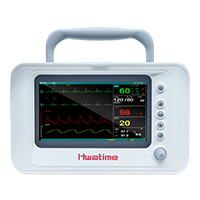
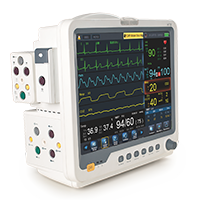
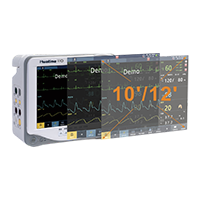
In healthcare settings, the choice of monitoring equipment significantly impacts patient outcomes. Understanding OEM patient monitors is crucial for medical staff. These devices provide real-time data, enabling timely interventions. With the complexity of patient care, reliability becomes essential. Oem Medical Modular Patient Monitors offer customizable configurations, addressing various clinical needs.

Healthcare professionals often face challenges with equipment usability. While OEM monitors are designed for seamless integration, training is still necessary. Not all staff members might be familiar with advanced features. Hence, continuous education is vital. Some users may feel overwhelmed by the range of monitoring options available. This may lead to hesitance in fully exploiting the technology's capabilities.

The accuracy of OEM patient monitors plays a critical role in decision-making. However, occasional calibration errors can occur. It's essential for medical teams to regularly check device functionality. Relying solely on technology can sometimes lead to complacency. Hence, a balanced approach between human intuition and technological support is necessary. Implementing reliable protocols ensures that patient safety remains the top priority.

Key Features of OEM Patient Monitors for Optimal Patient Care

Why Choose Oem Patient Monitor for Your Healthcare Needs?

When selecting a patient monitor, OEM options stand out due to their specialized features that enhance patient care. They come equipped with advanced sensors that ensure accurate vital sign tracking. This precision is crucial for detecting changes in a patient’s condition. The monitors are also designed to be user-friendly, allowing healthcare staff to navigate through data effortlessly.

Another vital aspect is the adaptability of these monitors. They can be customized to meet specific clinical needs. This flexibility ensures that healthcare providers have the tools necessary for diverse patient scenarios. Additionally, OEM monitors often feature real-time data transmission to electronic health records. This connectivity improves communication among healthcare teams.

However, there are challenges. Not all OEM monitors integrate seamlessly with existing systems. This can lead to data inconsistencies and increased workload. Healthcare providers must consider training staff to maximize the monitor's potential. A thoughtful choice in patient monitoring can truly impact overall care delivery. It’s essential to review not just the features, but also the practicalities in daily operations.

Advantages of Choosing OEM Over Other Monitor Types

Why Choose Oem Patient Monitor for Your Healthcare Needs?

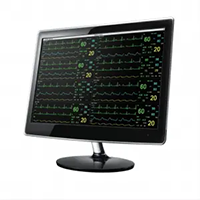
When considering patient monitors for healthcare needs, OEM options stand out. An Oem Central Patient Monitoring System is designed specifically for healthcare environments. This system offers tailored features that align with the unique demands of different medical settings. Reliability is a priority, ensuring that the data collected is accurate and timely.

Choosing OEM means accessing advanced technology. These monitors are built with the latest innovations. They often include customization options that allow facilities to meet specific patient care requirements. However, not all OEM monitors are created equal. It's vital to assess the manufacturer’s experience and expertise in medical devices.

Tips for selecting an OEM monitor: Check for certifications and compliance with safety standards. Look for user feedback to gauge reliability. Also, consider the integration capabilities with existing systems.

Investing in an OEM Central Patient Monitoring System can enhance healthcare delivery. A customized solution improves workflow and patient outcomes. Yet, always reflect on the long-term costs versus benefits. Making the right choice can be challenging but essential for quality care.

Cost-Effectiveness of OEM Patient Monitors for Healthcare Facilities

When healthcare facilities are considering patient monitors, cost-effectiveness becomes a crucial factor. OEM patient monitors are designed to offer high-quality performance while keeping expenses in check. These monitors can provide accurate data, which is essential for patient safety, and their reliability can lead to significant savings over time.

Investing in OEM patient monitors allows healthcare providers to stretch their budgets. They often come at a lower upfront cost compared to their branded counterparts. Yet, they do not compromise on essential features like real-time monitoring or data accuracy. This balance of quality and affordability can help facilities focus resources on other critical areas.

Tip: Always evaluate the warranty and support services included with the monitor purchase. Quality support can save costs in maintenance.
Tip: Involve your medical team when selecting monitors. Their insight can help identify the best options tailored to patient needs.
Despite the benefits, it's essential to carefully assess the monitors’ functionalities to ensure they meet specific requirements. A monitor that lacks crucial features may lead to oversights in patient care, impacting overall reliability.

Ensuring Quality and Compliance in OEM Patient Monitoring Devices

Quality and compliance are crucial in healthcare monitoring. OEM patient monitoring devices must meet strict standards. Healthcare providers rely on these devices to ensure patient safety. They monitor vital signs with precision. Consistent accuracy is non-negotiable.

When choosing OEM patient monitors, it's essential to evaluate their compliance with regulations. Verify that devices adhere to applicable certifications. Quality control processes are vital in this regard. Manufacturers should demonstrate experience and expertise in the field. A thorough assessment of their track record can be revealing.

The market offers various options. However, not all products are created equal. Scrutinizing factors like durability and ease of use is necessary. An Oem Touch Screen Monitor Pricelist can help compare your choices. This information aids in making informed decisions. Continuous improvement is often needed in device functionality. Manufacturers should welcome feedback to enhance their products.

Why Choose Oem Patient Monitor for Your Healthcare Needs?

Feature Importance Benefits
Accuracy of Readings Critical for patient safety and treatment effectiveness Enhances trust in medical decisions
Regulatory Compliance Mandatory for market acceptance Ensures device credibility and reliability
User-friendly Interface Important for efficient operation Improves workflow and reduces training time
Durability Essential for long-term usage in various environments Reduces maintenance costs and downtime
Integration Capabilities Facilitates connectivity with existing systems Enhances data sharing and patient monitoring efficiency

Integration and Compatibility with Existing Medical Equipment

In the ever-evolving landscape of healthcare, the integration and compatibility of medical equipment have become critical. A recent report by Research and Markets indicates that the global patient monitoring market is expected to reach $37 billion by 2025. This exponential growth emphasizes the necessity for seamless integration of OEM patient monitors with existing systems. Hospitals increasingly require devices that can connect with various health record systems and imaging devices, enhancing workflow efficiency.

Choosing an OEM patient monitor can offer significant advantages. These devices are often designed to comply with industry standards, ensuring compatibility with a range of existing medical equipment. Compatibility leads to faster data sharing among devices, which can improve patient outcomes. However, implementing such technology is not without challenges. Some healthcare facilities struggle with outdated infrastructure, limiting their ability to fully utilize modern equipment. Ensuring that new monitors fit within existing frameworks can sometimes require additional investment.

Integration should not just focus on technical compatibility. Training healthcare staff to utilize new technology effectively is essential. A report from the World Health Organization suggests that effective training can improve the use of medical devices by as much as 40%. Thus, while OEM patient monitors seem beneficial, a holistic approach is necessary for successful implementation. Balancing technology with human factors remains a complex issue within the healthcare sector.

Benefits of OEM Patient Monitors in Healthcare

The Role of OEM Patient Monitors in Enhancing Patient Safety and Outcomes

In healthcare, patient safety is paramount. OEM patient monitors play a crucial role in enhancing this safety. These devices provide real-time data, enabling healthcare professionals to respond swiftly to changes in a patient’s condition. Accurate monitoring can prevent adverse events, helping ensure better outcomes for patients. The reliability of these monitors is essential. They must deliver precise readings consistently, which directly impacts clinical decisions.

Despite their effectiveness, there are challenges in adopting OEM patient monitors. Training staff to use new technology can take time. There may also be technical issues that arise, such as calibration errors. It’s vital for healthcare facilities to choose a reputable Medical Monitoring Oem Module Manufacturer. This choice ensures that the devices meet high standards. Continuous support from the manufacturer is important for ongoing safety and reliability.

Patient data management is another aspect that needs attention. Monitors generate vast amounts of information. Ensuring that this data is correctly interpreted is key to improving patient care. Hospitals must invest in staff education and system upgrades. This continuous improvement process ultimately leads to better patient outcomes.

Global Patient Monitoring Systems Market Analysis: Key Trends and Insights for HT8 Modular Monitors by Hwatime

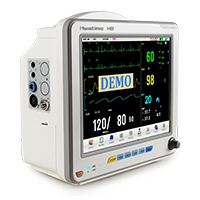
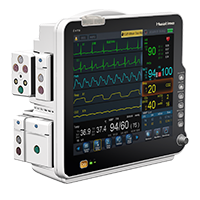
The global patient monitoring systems market is witnessing significant growth, driven by technological advancements and an increasing demand for real-time health data. According to a recent report from Research and Markets, the global patient monitoring systems market is projected to reach USD 36.2 billion by 2025, expanding at a CAGR of 10.6% during the forecast period. This growth is particularly notable in modular monitors, such as the HT8 Modular Monitors, which offer customizable and scalable solutions suitable for various clinical settings.

Key trends influencing this market include the shift towards remote patient monitoring, which has become increasingly relevant in the post-pandemic landscape. With healthcare providers aiming to enhance patient outcomes while reducing costs, modular systems provide the flexibility to monitor multiple patients efficiently. According to a report by the Market Research Future, the demand for wireless monitoring devices is expected to rise significantly, as they facilitate better mobility and connectivity, thus allowing clinicians to access critical patient data anytime and anywhere.

Furthermore, the integration of artificial intelligence and machine learning in patient monitoring systems is enhancing predictive analytics capabilities, allowing for timely interventions. As healthcare systems continue to embrace advanced technologies, modular monitors stand out by offering not only comprehensive monitoring features but also seamless integration with electronic health records (EHR) systems, which is critical for improving care coordination and patient management across diverse healthcare environments. This evolution in patient monitoring is instrumental in addressing the challenges of contemporary healthcare, enabling providers to deliver high-quality care effectively.

FAQS

: What are OEM patient monitors used for?

: These monitors are used to provide real-time patient data for timely interventions and better outcomes.

Why is training important for using OEM monitors?

Training helps the medical staff become familiar with advanced features, ensuring effective use of the devices.

How can the accuracy of OEM monitors affect decision-making?

Accurate readings are crucial, but occasional calibration errors can lead to incorrect decisions if not regularly checked.

What should healthcare providers verify when choosing OEM monitors?

They should ensure compliance with regulations and check certifications for quality assurance.

What factors should be considered when evaluating monitoring devices?

Consider durability, ease of use, and the manufacturer’s experience in the healthcare field.

How can healthcare staff avoid complacency when using technology?

Balancing technology with human intuition is essential to ensure patient safety remains the top priority.

What role does continuous improvement play in monitoring devices?

Continuous improvement helps enhance functionality, ensuring devices meet evolving healthcare needs.

What can lead to hesitance in using monitoring technology fully?

Overwhelming options may intimidate staff, causing them to underutilize the technology available.

Why is quality control important for OEM monitoring devices?

Quality control ensures the devices maintain precision and reliability, which is vital for patient safety.

Conclusion

The article "Why Choose Oem Patient Monitor for Your Healthcare Needs?" explores the significance of OEM patient monitors in healthcare environments. It highlights their key features, including advanced functionality designed for optimal patient care, and discusses the advantages of selecting OEM monitors over other types, particularly their cost-effectiveness for healthcare facilities. The piece emphasizes the importance of ensuring quality and compliance in these devices, as well as their ability to integrate seamlessly with existing medical equipment, enhancing operational efficiency.

Furthermore, the role of OEM patient monitors is underscored in promoting patient safety and improving outcomes. By choosing OEM patient monitors, healthcare providers can ensure they are equipped with reliable and compatible devices that meet regulatory standards, ultimately leading to better patient care and satisfaction.

Clara

Clara

Clara is a dedicated marketing professional at Shenzhen Huateng Biomedical Electronics Co., Ltd., where her extensive expertise in biomedical electronic products sets her apart in the industry. With a deep understanding of the latest technological advancements, Clara plays a pivotal role in......
Previous Top 10 Patient Monitors from China for Global Buyers?