In the fast-paced world of vet clinics, the right equipment can really make a difference when it comes to patient care. Investing in a good Veterinary Patient Monitor isn't just a luxury — it's pretty much essential if you want to give your animals the best attention possible. Take the10 Inch Veterinary Patient Monitor, for example. It’s user-friendly and packed with tech that helps vets keep an eye on vital signs smoothly and efficiently.
Having reliable monitoring tools means you can catch problems early on, which is super important for quick, effective treatment. Sadly, plenty of clinics still use outdated gear that might not give accurate readings or be that dependable, which can sometimes result in missing key health issues. That’s why it’s so important to pick the rigHt Monitoring equipment for your practice.
Let’s be honest — juggling multiple patients at once isn’t easy, especially when you’re running around trying to keep track of everything. A solid Veterinary Patient Monitor can take some of that stress off your plate by providing real-time data, so you’re always in the loop. Just keep in mind, not all monitors are equal. Some might not fit the unique needs of a busy vet practice, so it’s worth taking the time to really think about what your clinic requires before making a call.

Importance of Veterinary Patient Monitoring in Clinical Settings
Veterinary patient monitoring is vital in clinical settings. It provides real-time insights into a pet's health. Monitoring systems, such as the 10 Inch Veterinary Standard Model Patient Monitor, can track heart rate, temperature, and oxygen levels. These metrics guide veterinary professionals in making critical decisions.
Effective monitoring can reduce complications during procedures. For instance, recognizing abnormal heart rates enables immediate interventions. Knowing how to interpret data is crucial. A well-trained staff is necessary to utilize this information efficiently. Yet, errors can occur. Misreading a number could lead to significant consequences. Continuous education and training help mitigate such risks.
Often, veterinary clinics face challenges with equipment. Outdated monitors may not provide accurate readings. Investing in up-to-date technology like the 10 Inch Veterinary Standard Model Patient Monitor can improve patient outcomes. However, clinics must assess their unique needs first. Each animal is different, and a one-size-fits-all approach may fall short. Balancing technology with professional expertise ensures better care for patients.
Key Features to Consider When Selecting a Veterinary Monitor
When selecting a veterinary monitor, several key features must be considered. Accuracy in vital sign measurements is paramount. The monitor should track heart rate, respiratory rate, and blood pressure. According to a 2022 industry report, vet clinics using advanced monitors saw a 30% increase in patient safety due to accurate readings. This is essential for surgical procedures and emergency care.
Another feature to evaluate is user-friendly software. The interface should be intuitive for quick data interpretation. A cluttered screen can lead to mistakes during critical moments. The Best 10 Inch Veterinary Patient Monitor typically balances screen size and clarity, which enhances usability.
Tips: Always ensure the monitor has adequate battery life. A monitor with a poor battery can fail during critical times. Regular calibration is crucial, as inaccuracies can affect treatment decisions. Investing in comprehensive training for your staff also pays off. It leads to improved patient outcomes and boosts team confidence.
Key Features of Veterinary Patient Monitors
Types of Veterinary Patient Monitors Available on the Market
When considering the types of veterinary patient monitors available on the market, it's crucial to understand their features and functionalities. Various models cater to different needs. Pulse oximeters, for example, offer real-time oxygen saturation levels. They are essential during anesthesia for timely interventions. The global veterinary monitoring market is projected to reach USD 150 million by 2025, reflecting the demand for reliable monitoring tools in clinics.
Anesthesia monitors are pivotal in surgeries. They track vital signs such as heart rate and respiratory rates. Studies indicate that 75% of veterinary clinics now utilize advanced monitoring systems to improve patient safety. However, choosing the right model can be challenging. With numerous options, clinics must consider factors such as ease of use and compatibility with existing equipment.
In China, the demand for veterinary patient monitors is on the rise. Rural areas often lack access to advanced technologies. As a result, practitioners face challenges in delivering optimal care. Some monitors may not provide all necessary features. Clinics should weigh their specific needs against the available technology. Investing wisely in a veterinary patient monitor can significantly enhance patient outcomes.
Benefits of Using Advanced Monitoring Systems in Animal Care
In veterinary care, advanced monitoring systems play a crucial role in patient outcomes. They enable real-time tracking of vital signs like heart rate, respiratory rate, and temperature. These metrics can signal potential complications early, allowing veterinarians to react swiftly. This proactive approach can be the difference between life and death in critical situations.
Using high-quality monitors enhances the accuracy of diagnostics. A precise reading helps in diagnosing illness sooner. However, not all clinics invest in the latest technologies. Some may rely on outdated equipment, which can produce unreliable results. It's vital for clinics to regularly evaluate their monitoring tools to ensure they meet current standards. Frequent training on the equipment is essential for staff too.
Moreover, modern systems can also ease the stress of both animals and owners. The less invasive methods available today make it easier to monitor pets without causing discomfort. Yet, adopting new technology requires time and adjustment. Clinics often face challenges adapting to new workflows. By embracing innovation, they can ultimately improve care and build trust with clients.
Why Choose the Best Veterinary Patient Monitor for Your Clinic? - Benefits of Using Advanced Monitoring Systems in Animal Care
| Feature | Benefit | Impact on Animal Care |
| Real-time Monitoring | Immediate data on vital signs | Enables rapid response to emergencies |
| Multi-parameter Tracking | Simultaneous observation of multiple vitals | Comprehensive health assessment |
| User-friendly Interface | Simplifies monitoring process | Reduces training time for staff |
| Data Storage and Retrieval | Historical data tracking | Improves ongoing care with trends |
| Alarm Systems | Alerts for abnormal readings | Prevents complications from unnoticed issues |
How to Evaluate the Performance of a Veterinary Monitor
When selecting a veterinary patient monitor, performance evaluation is vital. A key aspect of performance is the monitor's accuracy in readings. According to a recent report, monitors that meet the China Veterinary Standard Model Patient Monitor ensure at least 95% accuracy in vital sign readings. This precision is crucial for informing treatment decisions.
Another critical performance indicator is the monitor’s response time. Fast response times allow for immediate interventions during emergencies. Studies show that monitors with a response time under five seconds can significantly improve patient outcomes. This metric can be a game-changer in high-stress situations, making the choice of monitor paramount.
However, there are challenges in selecting the right unit. Not all monitors provide the same level of usability or training support. Training staff to interpret data accurately can sometimes be overlooked. A monitor’s features may be wasted if the staff is not adequately trained. This aspect often requires reflection on your clinic's readiness to integrate advanced monitoring technologies effectively.
Cost-Effectiveness of Investing in Quality Monitoring Equipment
Investing in quality monitoring equipment is crucial for veterinary clinics. Effective monitoring enhances patient care and ultimately improves outcomes. However, many clinics hesitate due to perceived costs. Understanding the long-term benefits can change this perspective.
Cost-effectiveness goes beyond the initial purchase price. Quality monitoring devices can reduce emergency situations. They allow for better tracking of a patient’s vital signs, leading to early diagnosis of complications. In the long run, this can save money on emergency treatments and improve patient turnaround time. Each case strengthens the practice's reputation, attracting new clients.
Moreover, investing in reliable equipment fosters a culture of trust. Clients appreciate knowing their pets are in capable hands. Equipment malfunctions or inaccuracies can lead to trust erosion. Many clinics overlook this factor. This perspective should lead to reflections on spending priorities. Premium equipment may feel like a burden initially, but the returns can enrich both the clinic and its patients.
Training and Support for Veterinary Staff on Monitoring Device Use
In a veterinary clinic, the proper use of monitoring devices is essential. Training staff on how to operate these devices ensures smoother procedures. However, the process is not always seamless. Some staff may struggle with the technology. This can lead to errors in patient monitoring, which is concerning.
Ongoing support is crucial for veterinary professionals. Regular check-ins and refresher courses can reinforce knowledge. Staff should feel comfortable asking questions. Workshops that simulate real-life scenarios can help bridge the gaps in understanding. This hands-on experience can boost confidence.
It's important to recognize that not all training will be perfect. Some concepts take time to master. Continuous evaluation of staff performance can help identify specific needs. By focusing on these areas, clinics can enhance the overall competency of their team. Personalized training approaches can make a significant difference in patient care.
Comprehensive Guide to the Best 7 Parameter Patient Monitors: Focusing on the H9 Multi Parameter Monitor by Hwatime
In the realm of healthcare, patient monitoring devices are crucial for ensuring optimal patient outcomes. Among the various options available, multi-parameter monitors stand out for their versatility and comprehensive data collection capabilities. This guide will explore the key features of seven top-rated multi-parameter patient monitors, paying special attention to one standout product, the H9 Multi Parameter Monitor by Hwatime.
The H9 Multi Parameter Monitor offers a plethora of advanced features that enhance its functionality. It is designed to monitor vital signs such as heart rate, respiratory rate, blood pressure, and oxygen saturation, providing healthcare professionals with real-time data critical for patient assessment. The monitor's user-friendly interface ensures easy navigation, allowing clinicians to quickly interpret data and make informed decisions. Additionally, with its ability to integrate into hospital networks, the H9 promotes efficient data sharing and facilitates comprehensive patient management.
Choosing the right multi-parameter monitor can significantly affect the quality of care provided. Each of the recommended devices brings unique strengths to the table, but what sets the H9 apart is its seamless blend of advanced technology and practicality. Its reliability and accuracy make it an invaluable tool in both critical care and routine monitoring scenarios, ensuring that healthcare providers are well-equipped to respond to patient needs swiftly and effectively.
FAQS
: Focus on accuracy in vital sign measurements, including heart rate and blood pressure.
Accurate readings significantly enhance patient safety, especially during surgeries and emergencies.
Intuitive software helps in quick data interpretation, reducing the risk of mistakes during critical moments.
A monitor with poor battery life can fail during emergencies, putting patients at risk.
Regular training for staff on monitor usage is essential for accurate data interpretation and better patient care.
They allow real-time tracking of vital signs, helping to detect complications early and enabling swift reactions.
Many clinics still use outdated equipment, which may lead to unreliable results and compromised patient safety.
Adjusting to new workflows and training staff can be difficult but is necessary for improved care.
Monitors with a response time under five seconds enable immediate interventions in emergencies, which is critical.
Regular evaluations ensure the tools meet current standards, keeping patient care at its best.
Conclusion
Veterinary patient monitoring is crucial in clinical settings, as it ensures the safety and well-being of animals during medical procedures. When selecting a veterinary patient monitor, it is essential to consider key features such as accuracy, ease of use, and the ability to provide real-time data. Various types of monitors are available on the market, tailored for different veterinary needs, and using advanced monitoring systems can greatly enhance animal care by providing critical insights into a patient's condition.
Investing in quality monitoring equipment is not only cost-effective in the long run but also significantly impacts the level of care provided. Evaluating the performance of veterinary monitors is essential, as is ensuring that veterinary staff are adequately trained to utilize these devices effectively. Proper training and support can maximize the benefits derived from veterinary patient monitors, ultimately leading to improved health outcomes for animals in care.

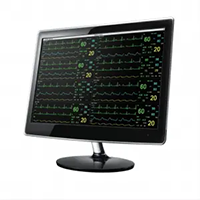 Central Monitoring System
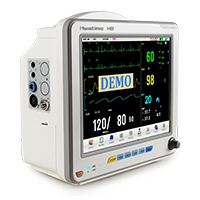 H Series Multi Parameter Patient Monitor
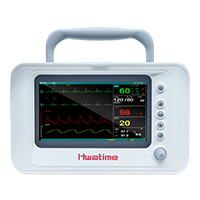 H5 Vital Signs Patient Monitor
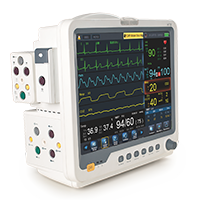 HT Series Semi-modular Patient Monitor
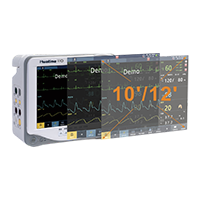 i Series Multi Parameter Patient Monitor
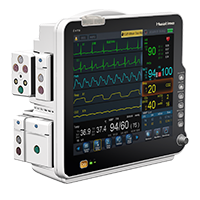 IHT Series Modular Patient Monitor
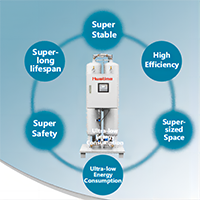 Oxygen Generator System
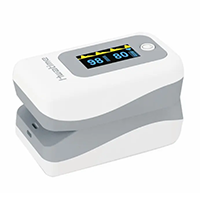 Pulse Oxymeter
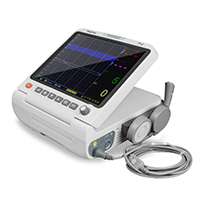 T Series Maternal Monitor/Fetal Monitor
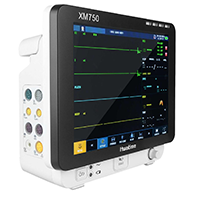 XM Series Multi Parameter Patient Monitor


