China’s 10-inch Fetal Monitors blend solid medical engineering with practical hospital design—kind of like marrying innovation with real-world usability. This guide winds through ten manufacturers who serve maternity wards, clinics, and maternal-fetal medicine departments, and it takes a close look at what's important: display clarity, fetal heart rate accuracy, uterine contraction monitoring, alarm visibility, data storage, and how good their after-sales support really is.
Dr. Edward Hon, a well-respected pioneer in fetal monitoring, once emphasized, “The fetus is a patient.” That idea still holds big weight. When choosing a 10-inch fetal monitor, what really matters is that clinicians can easily spot changing signals without dealing with overly complicated features. Think bright screens, clear waveforms, reliable probes, and stable printing—these things can help prevent mistakes during those hectic deliveries.
Brands like Shenzhen Comen Medical Instruments, Shenzhen Mindray Bio-Medical Electronics, Edan Instruments, Contec Medical Systems, Unimed Medical Supplies, and Shenzhen Bistos are worth considering. It's best to look at their specs closely and also get some real-world feedback from clinical users.
Pay attention to the details. The other companies focusing on this market should demonstrate that they have solid quality systems they can trace, responsive technical support, and compatibility with local hospital workflows. Certifications are helpful, but nothing beats testing things out yourself. Before deciding, take a good look at probe durability, battery life, available software languages, how easy it is to do maintenance, and what kind of training they offer.
A straightforward ranking might seem helpful, but it can be misleading—every hospital has different needs. Some prioritize portability, while others need features like network connectivity or longer monitoring times. So, this guide treats the “top 10” list as a practical comparison rather than an absolute winner. Keep in mind, product performance can change depending on configuration, when it was made, and regional support. Bottom line? Do your homework and verify everything carefully before making a move.

China’s Top 10 10-Inch Fetal Monitor Manufacturers: Scope and Market Definition
China’s Top 10 10-Inch Fetal Monitor Manufacturers: Scope and Market Definition
This market review covers China-based manufacturers producing fetal monitors with approximately 10-inch displays. The scope includes equipment for hospitals, maternity clinics, and professional home-care programs. A qualifying monitor should measure fetal heart rate and uterine activity. Maternal pulse, blood pressure, SpO2, data storage, and network connectivity are additional evaluation points.
The “Top 10” label should reflect more than export volume. We assess manufacturing experience, quality systems, clinical documentation, after-sales support, and measurable product availability. Public regulatory records and hospital-use evidence matter. Grand View Research estimates continued global fetal monitoring growth through 2030, driven by higher birth-care investment and digital monitoring demand. Yet market figures vary because some reports include accessories, software, and remote services. That weakness deserves attention.
WHO guidance does not support routine continuous cardiotocography for every low-risk labor. Clinical context remains essential. A bright screen, clear alarm tones, and stable tracing can help staff during a busy night shift, but they cannot replace trained interpretation. Buyers comparing 10 Inch Fetal Monitor Quotes should verify probe performance, battery duration, printer options, language settings, and service response times. A lower quotation may hide calibration costs or limited consumable support. Claims require checking.
Manufacturer Ranking Criteria: IEC 60601-2-37, ISO 13485, and NMPA Compliance
China Top 10 10 inch Fetal Monitor Manufacturers
A credible ranking of China’s top 10-inch fetal monitor manufacturers should begin with safety evidence, not screen appearance. IEC 60601-2-37 is central to evaluating ultrasonic fetal monitoring equipment. It addresses essential performance, electrical safety, and protection against unacceptable risks. Reviewers should examine test reports, alarm behavior, probe performance, and display stability under realistic clinical conditions.
ISO 13485 certification shows whether a manufacturer operates a controlled medical device quality system. However, a certificate alone is not enough. Auditors should inspect design records, supplier controls, complaint handling, corrective actions, and production traceability. Details matter. Can technicians trace a monitor to its components and calibration records? Does the factory test every unit before shipment?
NMPA compliance adds a local regulatory dimension. Manufacturers should provide valid registration information, applicable product standards, and clear evidence that the marketed configuration matches the approved device. Service capacity also deserves attention, including software updates, maintenance training, spare probes, and response times. A polished demonstration can hide weaknesses. I would give greater weight to verified clinical feedback and consistent after-sales records. Even then, ranking remains imperfect because public evidence is often incomplete. A careful buyer should request current documents and test the workflow directly.
Technical Comparison of FHR Ranges, Typically 50–240 bpm, Across 10-Inch Models
China Top 10 10 inch Fetal Monitor Manufacturers
A technical comparison should begin with fetal heart rate range, not screen size. Many 10-inch fetal monitors specify an FHR range of 50–240 bpm. This span covers bradycardic and tachycardic events beyond routine labor values. ACOG’s Practice Bulletin No. 229 identifies 110–160 bpm as the usual baseline range. Therefore, a wide device range does not automatically mean better clinical performance.
The IEC 80601-2-49 standard defines safety and essential performance requirements for multifunction patient monitors. Buyers should check whether the monitor supports stable detection across the full 50–240 bpm range. Signal quality matters more than the maximum number. A weak transducer may show intermittent readings during maternal movement, obesity, or fetal repositioning. That is a practical issue.
NICE guideline NG229 recommends continuous cardiotocography when clinical risks justify it. The monitor should display FHR, uterine activity, alarms, and trends clearly. On a 10-inch screen, waveform separation and numeric visibility are important during bedside assessment. Some specifications mention a 1 bpm resolution, but resolution alone cannot prove accuracy. Manufacturers should publish testing conditions, error limits, and performance across different signal strengths. This information is often incomplete. That gap deserves scrutiny. A careful procurement team should compare validation records, not only advertised ranges.
China Top 10 10 inch Fetal Monitor Manufacturers - Technical Comparison of FHR Ranges, Typically 50–240 bpm, Across 10-Inch Models
Anonymized technical comparison of representative 10-inch fetal-monitor configurations
Profiles of China’s 10 Leading Fetal Monitor Manufacturers and Their Product Lines
China’s ten leading fetal monitor manufacturers serve hospitals, maternity clinics, and distributors with distinct product lines. Grand View Research projects the global fetal monitoring market to grow at about 6% annually through 2030. That demand is visible in China’s expanding range of compact cardiotocographs, dual-channel monitors, and networked central stations.
The first group focuses on 10-inch bedside monitors for routine antenatal checks. Other manufacturers offer 12.1-inch displays, twin-fetal monitoring, maternal pulse tracking, and built-in thermal printers. Several companies also develop wireless telemetry for walking patients. Their product lines commonly include probes, belts, paper rolls, batteries, carts, and data software. For overseas buyers, 12.1 Inch Fetal Monitor Bulkbuy programs may reduce unit costs, but shipping damage and replacement-probe availability need careful review.
A credible supplier should provide NMPA registration evidence, ISO 13485 quality-system documentation, and test records aligned with the IEC 60601 series. Product demonstrations should test signal stability during maternal movement, not only a quiet showroom trace. The World Health Organization reported about 1.9 million stillbirths worldwide in 2021, reinforcing the need for dependable intrapartum surveillance. Yet monitor alarms do not replace trained clinical judgment. That point is easy to overlook. Some product pages also use vague accuracy claims; buyers should request validation methods, sample reports, and service response times before comparing prices.
Comparison of Display Size, Probe Channels, Printing Speed, and Data Storage
China Top 10 10 inch Fetal Monitor Manufacturers are often compared by more than price. A 10-inch display should show fetal heart rate, uterine activity, and alarms clearly from a bedside distance. A 12.1 Inch Portable Fetal Monitor may offer easier viewing, but portability can affect weight and battery life. Probe channels also matter. Single-channel models suit routine monitoring, while dual fetal heart rate channels support twin assessments. Confirm whether the package includes separate ultrasound and TOCO probes.
Printing speed usually ranges from 1 to 3 centimeters per minute. Slower printing saves paper and supports longer reviews. Faster printing makes sudden tracing changes easier to inspect. In clinical testing, paper alignment and thermal contrast matter as much as speed. Some specifications look impressive, but real output can fade after storage. Data storage should record patient identifiers, trend graphs, and complete traces. Check capacity, export format, and whether data remains available after power loss.
Tips: Ask for a sample printout before purchase. Test both probe channels at the same time. Review saved records after restarting the monitor. A device claiming extensive storage may still limit daily records. That detail is easy to miss. Staff should also measure the screen from their usual working position, not only from the product table. I would not judge reliability from specifications alone; hands-on checks sometimes reveal small delays, awkward controls, or unclear alarm icons.
Hospital Procurement Checklist for Accuracy, Connectivity, Service, and Certification
China Top 10 10 inch Fetal Monitor Manufacturers
Hospital Procurement Checklist for Accuracy, Connectivity, Service, and Certification
A 10-inch fetal monitor should produce dependable readings during long labor and frequent patient movement. Ask suppliers for accuracy data across fetal heart rates, maternal pulse, and uterine activity. Request a live demonstration with a calibrated simulator, not only printed specifications. Check alarm visibility from the nursing station, especially in dim rooms. Review signal-loss behavior, probe stability, and data storage limits. Small details matter.
Test connectivity inside your actual ward. Confirm Ethernet or Wi-Fi performance through walls and during network interruptions. Ask whether the system supports your hospital information platform and secure user access. Export a sample record and inspect timestamps, patient identifiers, and waveform clarity. A smooth demo is not enough. Real networks are messy.
Service terms deserve equal attention. Require documented calibration intervals, spare-probe availability, staff training, and response times for urgent faults. Ask who performs repairs and whether replacement units are available. Verify current regulatory registration for the destination market, along with relevant quality and electrical safety certificates. Standards such as ISO 13485 and applicable IEC 60601 requirements may be relevant, but certificate scope must match the exact model. I would keep every claim in writing. Procurement teams sometimes trust polished documents too quickly. A short ward trial can reveal confusing menus, weak cables, or alarms that staff cannot hear.
Conclusion
This guide presents a practical overview of China’s leading 10 inch Fetal Monitor manufacturers and defines the scope of this rapidly developing medical device category. It explains how these systems measure fetal heart rate (FHR), uterine contractions (TOCO), fetal movement (FM), and selected maternal vital signs. Readers will also learn how manufacturers are assessed according to quality management, clinical safety, and regulatory expectations, including IEC 60601-2-37, ISO 13485, and applicable NMPA requirements. Typical FHR performance, commonly covering 50–240 bpm, is compared across different 10-inch models.
The article further reviews ten major manufacturer profiles and their product lines without focusing on brand promotion. Key comparison points include screen size, probe channels, printing speed, internal data storage, usability, and connectivity. A final hospital procurement checklist helps buyers evaluate measurement accuracy, workflow compatibility, service support, certification documentation, maintenance requirements, and long-term reliability when selecting a 10 inch Fetal Monitor for clinical use.

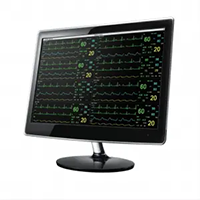 Central Monitoring System
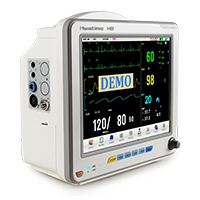 H Series Multi Parameter Patient Monitor
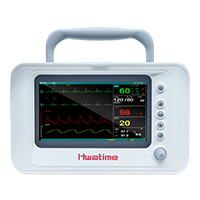 H5 Vital Signs Patient Monitor
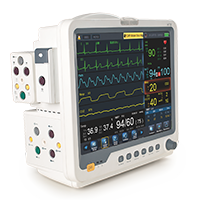 HT Series Semi-modular Patient Monitor
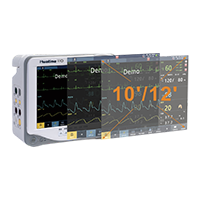 i Series Multi Parameter Patient Monitor
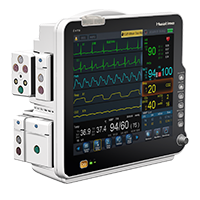 IHT Series Modular Patient Monitor
 Oxygen Generator System
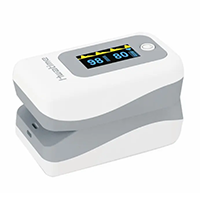 Pulse Oxymeter
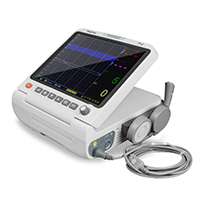 T Series Maternal Monitor/Fetal Monitor
 XM Series Multi Parameter Patient Monitor


