China has really become a go-to spot for hospitals, distributors, and emergency-care teams on the hunt for reliable monitoring gear. But a good Patient Monitor Supplier isn’t just about offering a decent price—it's about providing steady ECG, SpO2, NIBP, temperature, and respiratory rate readings that actually work well in real clinical settings.
Li Xiting, the founder of Mindray, once said something that still sticks with me: “Medical technology should be designed around clinical needs.” Honestly, that rings true when you’re comparing Chinese manufacturers. Sure, a monitor might look sleek in a showroom, but its true worth shows up when it’s next to a busy emergency bed, during transport, or inside a moving ambulance. Features like clear waveforms, adjustable alarms, long-lasting batteries, and easy cleaning—those little things—can really make a difference in everyday care.
A top supplier also shows their quality control through trackable production, solid technical docs, user training, and quick, helpful after-sales service. Certifications are good, don’t get me wrong, but they can’t replace actually checking out how the equipment performs firsthand. Buyers should take a close look at sample reports, software language options, spare parts, and how well the monitor plays with the hospital’s existing info systems. It’s often the small details that count.
Now, nobody’s perfect, of course.
Even an experienced ambulance patient monitor supplier might struggle with communication across different time zones. A quick quote doesn’t always mean fast service. And, on the flip side, choosing a cheaper option might end up costing more down the line—think consumables, calibration, or repairs that take longer than they should.
This overview is here to help global buyers figure out how to evaluate Chinese Patient Monitor Suppliers—by looking at their product performance, manufacturing background, clinical usability, and how transparent and cooperative they are. Of course, some assumptions might turn out to be wrong—that’s why it’s so important to verify everything carefully. Paying attention to the details can really make a difference in making the right choice.

Patient Monitor Supplier Landscape in China
China’s patient monitor supplier landscape is broad and highly specialized. Manufacturers range from large medical technology groups to focused factory teams. Many operate in established medical equipment clusters. Their strengths often include flexible production, component sourcing, and export experience. Some support original equipment manufacturing and private-label projects. Others focus on bedside monitors, transport monitors, or compact vital-sign devices. Product depth varies considerably.
Global buyers should examine more than catalog prices. An Icu Patient Monitor Supplier should provide clear specifications for ECG, SpO2, NIBP, temperature, and optional parameters. Ask for sample units and inspect screen readability, alarm volume, battery access, and cable durability. Request quality records, calibration procedures, risk controls, and traceable testing reports. Factory audits can reveal assembly discipline and storage conditions. A clean showroom means little if final inspection remains inconsistent.
Communication is another practical dividing line. Reliable suppliers answer technical questions with drawings, test data, and realistic delivery times. They should explain software updates, replacement parts, training, and service response. Some smaller suppliers offer faster customization, but their documentation may need closer review. That is not always a failure. It is a warning. Buyers should also confirm production capacity during peak periods and evaluate sample performance over several days. A strong relationship grows through evidence, not confident promises.
Key Types of Patient Monitors for Global Healthcare Needs
Patient monitors support decisions at the bedside, during transport, and in home care. The main types include multiparameter bedside monitors, portable vital-sign monitors, telemetry systems, and fetal or maternal monitors. Each type serves a different clinical setting. A crowded intensive care unit may need continuous ECG, SpO₂, respiratory rate, blood pressure, and temperature tracking. A community clinic may need a compact device with fast blood pressure and oxygen readings.
The 2024 MarketsandMarkets report estimates the patient monitoring devices market will grow from about USD 47 billion in 2024 to more than USD 70 billion by 2029. This growth reflects aging populations, chronic disease management, and wider remote monitoring. The World Health Organization reports that noncommunicable diseases cause 74% of global deaths, increasing demand for regular vital-sign assessment. However, market growth does not mean every monitor fits every hospital. Alarm design, battery endurance, sensor compatibility, and data export require careful evaluation.
Procurement teams should test monitors with real workflows, not only product sheets. Check screen visibility beside a dim bed. Test wireless stability through concrete walls. Review cleaning instructions and service response times. An Lcu Patient Monitor Supplier China should provide calibration records, user training, and transparent technical documentation. International buyers should also verify applicable quality systems and electrical safety evidence. Specifications can look impressive. Clinical usability may still disappoint. That gap deserves honest review.
Standards and Certifications for Chinese Patient Monitor Suppliers
Choosing a Medical Patient Monitor Supplier requires more than comparing screen size or purchase price. Chinese suppliers serving global buyers should demonstrate quality systems aligned with ISO 13485. Their monitors should also be tested against applicable IEC 60601 requirements for electrical safety and electromagnetic compatibility. ISO 14971-based risk management is important because alarms, sensors, and software can affect clinical decisions. Ask for current certificates, test reports, and the exact model numbers covered. A certificate with an unclear scope is not enough.
In practical supplier reviews, I check the product label, serial-number traceability, calibration records, and software version. I also request evidence of production inspections and complaint handling. For connected monitors, cybersecurity controls and software lifecycle documentation deserve attention. Requirements differ by destination, so local registration and import rules must be verified before shipment. Some files look complete. They are not always current. A careful supplier should explain renewal dates, testing laboratories, and any design changes. This transparency reflects real technical experience, not just sales confidence.
Tips: Request samples before a large order. Test alarm volume, screen readability, battery duration, and sensor connections in a clinical-like room. Confirm manuals, training materials, warranty terms, and spare-part availability. Keep every certificate and test report linked to the delivered model. I would also ask how failed units are investigated; a perfect record may sound attractive, but honest corrective-action evidence is more reliable.
China Patient Monitor Suppliers: Key Standards and Regulatory References
The chart shows the publication or adoption year of widely referenced standards and regulations used when evaluating patient monitor suppliers. These references support assessment of electrical safety, electromagnetic compatibility, risk management, quality management, and medical-device regulatory compliance. A listed standard does not by itself confirm that every supplier or product is certified; buyers should request current certificates and verify their scope, issuing body, and validity.
How to Evaluate Product Quality, Features, and Reliability
China Top Patient Monitor Supplier for Global Buyers
When evaluating a Chinese patient monitor supplier, inspect evidence, not polished photographs. Grand View Research estimated the global patient monitoring devices market at over USD 50 billion in 2023. That growth increases supplier choice, but also increases quality variation. Ask for calibration records, traceability, and sample test reports for ECG, SpO2, NIBP, temperature, and respiratory rate. Check whether readings remain stable during motion, weak pulses, and sudden pressure changes.
Features should match clinical workflow. A clear five-lead ECG display, configurable alarm limits, trend storage, battery backup, and network connectivity can reduce bedside workload. Test alarm volume from three meters away. Review data export formats before purchasing. IEC 60601-1 addresses basic safety and essential performance, while ISO 14971 supports medical-device risk management. A supplier should explain how these requirements shape design, verification, and production controls.
Reliability is more than a successful demonstration. Request failure-rate records, burn-in procedures, software update controls, and repair turnaround data. The FDA’s quality-system expectations emphasize documented design and manufacturing controls. Independent testing is valuable. Supplier audits are better. Visit the production line when possible; observe cleanliness, component labeling, and final inspection. I have seen impressive prototypes fail during repeated battery testing. That uncomfortable detail matters. Some suppliers publish limited field data, so buyers should compare warranty claims, service capacity, and spare-part availability across several shipment batches.
Manufacturing Capacity, Customization, and OEM Services
China Top Patient Monitor Supplier for Global Buyers
Manufacturing capacity matters when hospitals need stable deliveries, not attractive brochures. A capable Chinese manufacturer should show production records, calibration logs, and component traceability. Each monitor needs documented testing for ECG, SpO2, NIBP, temperature, alarms, and battery performance. Quality teams should work against ISO 13485 procedures and relevant IEC 60601 requirements. This is practical evidence of experience, not a marketing promise. Fortune Business Insights reported that the global patient monitoring devices market reached about USD 44.97 billion in 2023. Demand is growing, but reliability remains difficult to scale.
Customization supports different clinical workflows. An experienced Medical Standard Model Patient Monitor Supplier can adjust screen layouts, languages, alarm limits, connectors, software functions, and packaging. OEM projects may include logo placement, user manuals, hospital-network integration, and region-specific accessories. A controlled process uses engineering samples, verification testing, pilot production, and approval records. However, customization can increase tooling costs and validation time. This is often underestimated.
Tips: Request a pre-production sample. Review test reports. Check audit access. Ask for failure-rate data. Confirm spare-part availability and response times. Do not select a supplier by price alone. The best factory should explain what it cannot customize. That answer builds trust. A small gap may remain between laboratory results and busy ward conditions, so field feedback should influence later revisions.
Export Support, Compliance, and Global Delivery Considerations
China is a major sourcing base for patient monitoring equipment. MarketsandMarkets valued the global patient monitoring market at about USD 47.6 billion in 2024. It projects continued growth through 2029, driven by hospitals, clinics, and home-care services.
Export support should begin before production. A capable supplier can provide ISO 13485 quality records, IEC 60601-1 safety reports, and ISO 14971 risk-management documentation. Buyers should also confirm local registration requirements before placing an order. Documents may include commercial invoices, packing lists, certificates of origin, and test reports. During shipment, shock indicators, moisture protection, and spare sensors can reduce avoidable problems. A polished certificate file is not enough. Software versions, alarm settings, language options, and user manuals still need review. These details are easy to overlook, especially under urgent delivery schedules. The World Health Organization’s Global Patient Safety Action Plan highlights the importance of reliable monitoring and safer healthcare systems. That principle should guide supplier evaluation, not just price comparisons.
Tips: Request a sample unit first. Check every cable and alarm. Keep a compliance checklist. Add delivery buffers for customs and seasonal congestion. No shipment plan is perfect, and buyers should revise it after each order. Short video training and remote commissioning can support overseas users, but local technical assistance remains valuable. According to the World Bank’s Logistics Performance Index 2023, border procedures and shipment tracking strongly influence delivery reliability. Ask for milestone updates, serial-number records, and inspection photos before dispatch.
FAQS
Compare specifications, testing records, production capacity, communication, and after-sales support. Price alone misleads. Product depth can vary widely.
Confirm ECG, SpO2, non-invasive blood pressure, temperature, alarms, battery access, and optional parameters. Check exact model details. Do not rely only on catalog images.
Samples reveal screen readability, alarm volume, battery duration, and cable strength. Use them for several days. A sample may still be better prepared than normal production, so repeat checks matter.
Request current certificates, calibration records, inspection reports, risk controls, and traceable test results. Check the covered model number. A certificate with vague scope is weak evidence.
Buyers should review ISO 13485 quality systems, IEC 60601 safety requirements, and ISO 14971 risk management. Destination rules also matter. Local registration and import requirements need separate verification.
Consider a factory audit, assembly discipline, storage conditions, final inspection, and production capacity during busy periods. Inspect the details. A clean showroom proves little if testing remains inconsistent.
Confirm software updates, replacement parts, technical training, warranty terms, and service response times. Ask about failed-unit investigations. A perfect record sounds good, but honest corrective actions may be more useful.
Reliable suppliers answer technical questions with drawings, test data, realistic schedules, and clear explanations. Fast replies are not enough. Documentation may still need careful review.
Conclusion
China has become an important sourcing destination for hospitals, distributors, and healthcare projects seeking a reliable Patient Monitor Supplier. Its supplier landscape includes manufacturers of bedside monitors, portable monitors, transport monitors, multi-parameter systems, fetal monitors, and specialized solutions for emergency, intensive care, and general ward use. When evaluating suppliers, global buyers should review measurement accuracy, software usability, alarm performance, connectivity, durability, and consistency across production batches. Compliance with applicable international standards, quality management systems, product registrations, and electrical safety requirements is also essential.
A capable Chinese supplier should offer stable manufacturing capacity, transparent quality control, product customization, and flexible OEM services for different markets. Buyers should assess technical support, documentation, packaging, spare-parts availability, warranty policies, and after-sales communication before placing an order. Export experience, regulatory knowledge, delivery planning, and logistics coordination can further reduce international procurement risks. By comparing product performance, certifications, production capabilities, and service reliability, healthcare organizations can select a dependable long-term partner for safe and efficient global distribution.

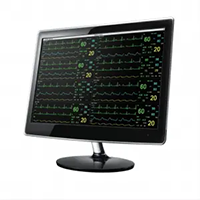 Central Monitoring System
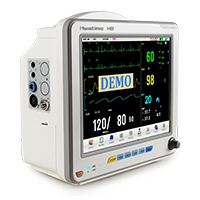 H Series Multi Parameter Patient Monitor
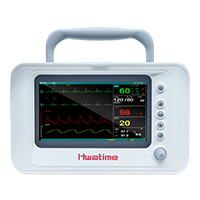 H5 Vital Signs Patient Monitor
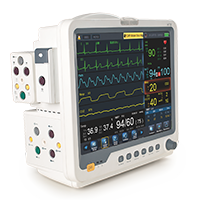 HT Series Semi-modular Patient Monitor
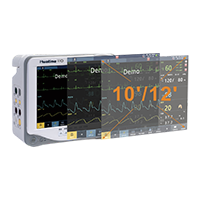 i Series Multi Parameter Patient Monitor
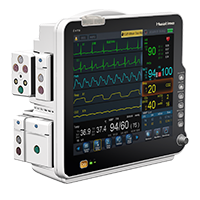 IHT Series Modular Patient Monitor
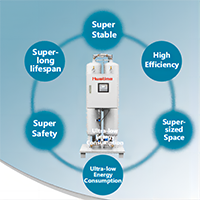 Oxygen Generator System
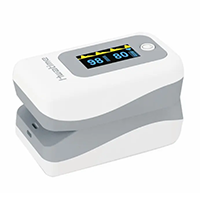 Pulse Oxymeter
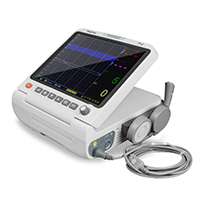 T Series Maternal Monitor/Fetal Monitor
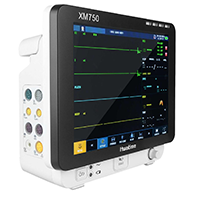 XM Series Multi Parameter Patient Monitor


