These days, the healthcare industry is changing so fast, and there’s a huge demand for reliable, high-quality medical equipment. If you’ve been following the market, you might have noticed that the global demand for Patient Monitors is set to grow quite a bit—experts are talking about a compound annual growth rate of around 7.5% from 2023 all the way through 2030. That really shows how much hospitals and care providers are leaning on tech to better take care of patients. Because of that, having dependable OEM (original equipment manufacturer) solutions for patient monitors isn’t just a nice-to-have — it’s pretty much essential.
When it comes to China, it's become a real powerhouse in this space. There are tons of manufacturers over there making equipment that fits a wide range of global needs. They’re known for delivering advanced, efficient monitoring systems that won’t break the bank. But here’s the thing—navigating the OEM patient monitor market can be tricky. You really have to dig into quality assurance processes and make sure they’re sticking to international standards. Paying attention to innovation and listening to user feedback go a long way in boosting reliability.
Of course, not every manufacturer out there is equally up to the mark. Big names like Mindray and Heda Health are well-known, but it’s definitely wise to do your homework before jumping in. Building a long-term partnership with a credible China OEM Patient Monitor Manufacturer can be super beneficial—just make sure you do your research and check their overall track record. Remember, every choice you make can directly impact patient safety and the quality of care they receive.

China's Role in the Global Patient Monitor Manufacturing Landscape
China has become a key player in the global patient monitor manufacturing landscape. As of 2023, approximately 40% of the world's patient monitors are produced in China. This growth is partly due to China’s robust manufacturing capabilities and investments in technology. The country is known for producing cost-effective yet reliable devices. The competitive pricing has attracted international buyers seeking Oem Medical Modular Patient Monitors for their hospitals and clinics.
China's focus on innovation and quality is evident. Recent reports indicate that the market size for Patient Monitoring Systems is expected to reach over $4 billion by 2025. Collaborating with Chinese manufacturers can substantially reduce sourcing costs while maintaining quality. However, potential buyers should be cautious. There can be variations in quality among manufacturers, and it's crucial to conduct thorough due diligence before finalizing contracts.
Tip: Always request samples and validate quality standards before large orders.
Moreover, logistic challenges can arise due to global supply chain fluctuations. Recent disruptions have highlighted the need for reliable shipping and communication channels. Establishing solid relationships with suppliers can mitigate risks. OEM medical modular patient monitors from China offer great potential but require careful navigation to ensure success in global markets.
Tip: Consider diversifying suppliers to lower risks linked to supply chain interruptions.
Key Features of Patient Monitors: A Focus on Chinese OEM Products
Patient monitors play a crucial role in healthcare settings. They provide real-time data on vital signs, which helps healthcare professionals make informed decisions. When considering Chinese OEM products, several key features stand out.
Many patient monitors designed by Chinese OEMs offer advanced functionalities. Portable designs make them suitable for various clinical environments. These devices often support multiple parameters, such as heart rate, blood pressure, and oxygen saturation. The integration of wireless technology enhances the flexibility of usage. However, ensuring compatibility with existing hospital systems may sometimes present challenges.
Moreover, user interfaces are important for functionality. Clear displays and intuitive navigation can significantly improve user experience. Some monitors may lack the robustness expected in high-stakes environments. It is vital to explore the durability of these devices before purchase. Quality assurance processes in manufacturing should also be considered. While many OEMs have standard protocols, variability exists in execution. This reflection can lead to better sourcing decisions.
Market Demand for Patient Monitors: Global Trends and Statistics
The global market for patient monitors is rapidly evolving. Statistics indicate that the patient monitoring market is expected to reach $33 billion by 2025. Increased healthcare spending and a growing elderly population are driving this demand. Emerging markets in Asia-Pacific exhibit significant growth potential, with a projected CAGR of over 7% from 2023 to 2030.
Recent studies emphasize the need for real-time monitoring solutions. According to the latest reports, around 65% of hospitals are incorporating advanced patient monitors into their systems. These devices enhance patient outcomes and streamline clinical workflows. Emerging technologies are enhancing the reliability of monitoring systems. However, many healthcare facilities struggle with integration challenges. Effective solutions, like the Oem Central Patient Monitoring System, offer streamlined functionality.
The disparity in access to advanced monitoring technology raises concerns. High-income countries benefit from cutting-edge devices, but low- and middle-income nations lag behind. Global sourcing can address these disparities. Efficient OEM strategies can provide affordable patient monitors, ensuring wider access. Demand is increasing, yet accessibility remains a pressing issue.
Regulatory Standards Impacting OEM Patient Monitors in China
Regulatory standards play a crucial role in the design and production of OEM patient monitors in China. These standards ensure that medical devices are safe and effective for use. Compliance with international guidelines is essential for market access. Manufacturers must navigate various regulations, such as ISO 13485 and CE marking requirements. These frameworks help maintain quality and establish trust in products.
The impact of these regulations is multifaceted. It can delay product launches due to the rigorous testing and documentation processes. For some manufacturers, the complexity of compliance can be overwhelming. However, adherence to these standards can lead to improved product reliability. The long-term benefits outweigh the initial challenges. Navigating compliance can also reveal areas for innovation and improvement in manufacturing processes.
In a rapidly evolving market, staying updated on regulatory changes is imperative. As new technologies emerge, regulations will adapt. This adaptability can influence design choices and manufacturing strategies. OEMs must remain vigilant and responsive. Continuous education on regulatory developments is necessary. The journey toward compliance can be enlightening, fostering a culture of quality and accountability within organizations.
Cost-Effectiveness of Sourcing Patient Monitors from China
China has become a significant player in the global patient monitor market. Many medical facilities now look to Chinese OEM manufacturers for sourcing their patient monitors due to cost-effectiveness. Reports indicate that Chinese manufacturers can offer devices at 30-50% lower prices compared to counterparts in North America and Europe. This price difference makes sourcing from China appealing, especially for budget-constrained institutions.
However, businesses must consider quality alongside cost. There have been concerns regarding the reliability of certain low-cost products. Not all manufacturers meet stringent international standards. It’s essential to evaluate the compliance of products with international regulations and certifications. Importantly, the "Oem Touch Screen Monitor Pricelist" should be carefully analyzed to ensure value for money and long-term reliability.
Despite these challenges, the potential for savings is noteworthy. Reports suggest that sourcing patient monitors from China could reduce overall healthcare costs. The global healthcare market is projected to reach $11.9 trillion by 2027. Investing in quality patient monitors can enhance patient outcomes. However, careful vendor selection is crucial to mitigate risks related to product quality and service reliability.
Quality Assurance Practices Among Chinese Patient Monitor Manufacturers
Quality assurance is vital in the production of patient monitors. Chinese manufacturers have developed rigorous practices to meet international standards. They focus on consistent product testing and validation. This ensures the devices are reliable and accurate. Various certifications play a key role in this process. The presence of ISO and CE certifications can be reassuring. They indicate adherence to quality benchmarks.
However, not all manufacturers adhere to these standards. Some may cut corners to reduce costs. This can lead to subpar products that fail to perform under pressure. Buyers must conduct thorough due diligence before making purchases. Engaging with a reliable Medical Monitoring Oem Module Manufacturer can mitigate risks. A reliable partner prioritizes quality and understands compliance.
Transparency and open communication are essential. Manufacturers should provide clear documentation on their quality assurance processes. This builds trust and confidence among potential clients. Inspection of production facilities may be necessary for some. Visiting a factory can reveal much about their commitment to quality. Adapting to changing technologies is crucial in this sector. Manufacturers that stay ahead of trends are more likely to succeed.
China Best OEM Patient Monitor for Global Sourcing Needs
| Manufacturer Type | Country of Origin | Quality Certification | Average Price (USD) | Lead Time (Weeks) |
| Tier 1 | China | ISO 13485 | 500 | 12 |
| Tier 2 | China | CE Mark | 300 | 8 |
| Tier 3 | China | FDA Approved | 200 | 10 |
| Tier 1 | China | ISO 9001 | 700 | 15 |
Future Innovations in Patient Monitoring Technology from China
The future of patient monitoring technology in China is poised for significant advancements. Innovations are on the horizon, driven by ongoing research and development. High-resolution displays, enhanced sensor capabilities, and AI integration are reshaping how healthcare professionals monitor patient conditions. These innovations promise to elevate the standards of critical care.
A focus on remote patient monitoring is evident. Wireless technologies facilitate real-time data transmission. This can significantly reduce hospital stays and improve patient outcomes. However, challenges remain. Not all regions have equal access to the required infrastructure. Overcoming these barriers is essential for widespread adoption.
Moreover, as technology evolves, issues around data security and privacy emerge. Ensuring reliable protection of sensitive health information is crucial. The industry must address these concerns proactively. This reflects a broader trend where innovation must balance with ethical considerations. Adapting to this dynamic landscape will require collaboration between manufacturers, healthcare providers, and regulatory bodies.
The Essential Guide to Choosing the Right Multipara Patient Monitor for Your Healthcare Facility
Choosing the right multipara patient monitor for your healthcare facility is a critical decision that can significantly impact patient outcomes. These devices are designed to provide vital and continuous monitoring of a patient's physiological parameters, such as heart rate, blood pressure, oxygen saturation, and respiratory rate. Therefore, understanding the specific needs of your healthcare environment is essential. For instance, consider the patient demographics—are you primarily monitoring critically ill patients, or are you catering to a more stable population? This will influence the features you should prioritize in your selection.
Another vital consideration when selecting a multipara patient monitor is usability and integration with existing systems. A user-friendly interface can streamline workflows and reduce the training time for staff, enhancing the efficiency of your healthcare delivery. Furthermore, ensure that the monitors can seamlessly integrate with your electronic health record systems and other medical devices. An integrated approach not only improves data accuracy but also enables healthcare providers to make informed decisions quickly. Lastly, assess the reliability and service support provided by the manufacturer to ensure that your facility is always equipped with functional and up-to-date monitoring solutions.
FAQS
: Many facilities find sources in China cost-effective, with prices 30-50% lower than North American and European manufacturers.
Quality is crucial. Some low-cost products may not meet strict international standards.
Evaluate manufacturers' certifications and ensure they align with international regulations.
Reports suggest that using Chinese monitors can significantly lower overall healthcare costs.
Innovations include high-resolution displays, enhanced sensors, and AI integration for better patient monitoring.
Not all regions have the necessary infrastructure, which hinders widespread adoption of these technologies.
Data security and privacy issues need to be addressed to protect sensitive patient information.
They must actively consider the balance between innovation and ethical responsibilities in their practices.
Careful vendor selection is vital for ensuring quality and reliability in patient monitoring devices.
Investing in quality technology can improve patient outcomes but requires careful consideration of suppliers.
Conclusion
China has emerged as a pivotal player in the global landscape of OEM patient monitor manufacturing, driven by extensive demand for innovative healthcare technology. The article discusses key features of patient monitors offered by Chinese OEMs, highlighting their adaptability to market needs and the seamless integration of advanced functionalities. As the market for patient monitoring devices continues to expand, understanding global trends and statistics becomes crucial for stakeholders looking to source effectively.
Regulatory standards play a significant role in shaping the quality and compliance of OEM patient monitors, ensuring that manufacturers adhere to necessary guidelines. Moreover, Chinese manufacturers are increasingly implementing rigorous quality assurance practices to foster trust in their products. The cost-effectiveness of sourcing patient monitors from China makes it an attractive option for healthcare providers. Looking ahead, future innovations in patient monitoring technology from China promise to further enhance care delivery worldwide.

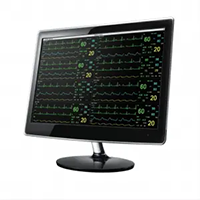 Central Monitoring System
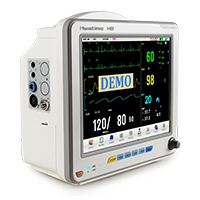 H Series Multi Parameter Patient Monitor
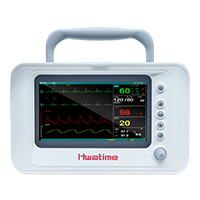 H5 Vital Signs Patient Monitor
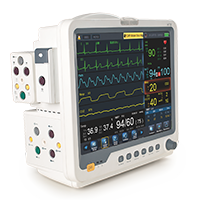 HT Series Semi-modular Patient Monitor
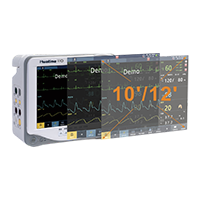 i Series Multi Parameter Patient Monitor
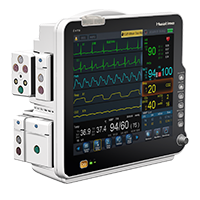 IHT Series Modular Patient Monitor
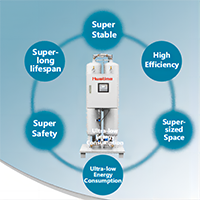 Oxygen Generator System
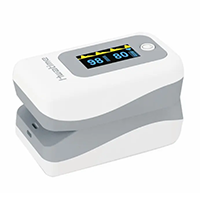 Pulse Oxymeter
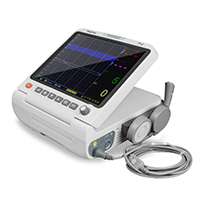 T Series Maternal Monitor/Fetal Monitor
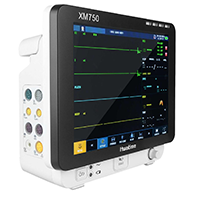 XM Series Multi Parameter Patient Monitor


