You know, the importance of Patient Monitoring Systems in healthcare really can't be overstated. These systems are absolutely essential for providing efficient and effective care. As technology keeps advancing, healthcare providers are under more and more pressure to improve patient outcomes, which makes reliable monitoring tools even more critical. Companies like Philips and GE Healthcare are really leading the charge when it comes to innovation, and you can’t ignore their impact.
One thing that's been catching a lot of attention lately is the China Multiparameter Patient Monitoring System. It’s a pretty good example of how tech can pull together multiple health metrics into one neat package. Having real-time data means healthcare professionals can react faster — which, let’s be honest, makes all the difference. That said, it’s not perfect. Some users have mentioned running into issues with data integration, which just shows how important it is for designers to keep tweaking and improving these systems.
All in all, patient monitoring systems should never just stay the same. They need to evolve — adapting to the changing needs of patients and the staff taking care of them. As we look at the best options out there today, it’s crucial to listen to user feedback because, at the end of the day, the goal is pretty simple: to make patient care better through smarter, more effective monitoring solutions.

Introduction to Patient Monitoring Systems
Patient monitoring systems have become essential in modern healthcare. These systems enhance clinical efficiency and improve patient outcomes. According to a recent report by Grand View Research, the global patient monitoring market is projected to reach $43 billion by 2025. The increased demand for remote monitoring solutions drives this growth, especially post-pandemic.
Proper implementation of monitoring systems can reduce hospital readmission rates by nearly 20%. Yet, many healthcare institutions face challenges in integration. A study indicates that 25% of clinicians feel overwhelmed by the amount of data generated. This can lead to missed alerts and ineffective responses. Thus, selecting the right system is crucial for ensuring timely care.
Tips: Focus on user-friendly interfaces. This can help minimize clinician stress. Additionally, prioritize systems capable of seamless integration with existing workflows. Engaging with reliable suppliers, like China Multiparameter Patient Monitoring System Suppliers, can help find the best solutions. Remember, a system that fits well with your workflow can enhance efficiency and improve patient care significantly.
Key Features of an Effective Patient Monitoring System
Effective patient monitoring systems are crucial in modern healthcare. One essential feature is real-time data tracking. Continuous monitoring allows healthcare professionals to assess vital signs instantly. This access to immediate information can facilitate quick interventions in critical situations. Another vital component is alert systems, which notify staff of any abnormalities. Timely alerts can mean the difference between recovery and complications.
Additionally, user-friendly interfaces are key for ease of use. Healthcare professionals often juggle multiple tasks. Complicated interfaces can lead to errors or delayed responses. A well-designed system minimizes this risk, allowing staff to focus on patient care. Integration with electronic health records is also important. Seamless access to patient history aids informed decision-making.
Yet, challenges remain. Some systems may lack accurate data synchronization. This can lead to discrepancies in patient information. Regular updates and staff training are necessary for optimal use. Reflecting on these issues is vital to improve monitoring systems continuously. Patient safety should always be the priority.
Types of Patient Monitoring Systems in Healthcare
Patient monitoring systems play a crucial role in delivering efficient healthcare solutions. Various types exist, tailored to meet specific patient needs. In hospitals, centralized monitoring systems track multiple patients, providing real-time data. Portable monitors allow for greater mobility, especially for patients undergoing rehabilitation. Wearable devices have seen a surge, offering continuous monitoring of vital signs outside clinical settings.
A recent report by MarketsandMarkets predicts that the global remote patient monitoring market will reach USD 1.9 billion by 2025. As the demand for telehealth rises, these systems enhance patient engagement. However, not all monitoring systems are created equal. Some may suffer from connectivity issues or inaccurate readings, leading to potential risks. Regular software updates and training are essential to mitigate these shortcomings.
Tips: Train staff regularly on using monitoring technologies. Engage with patients about their monitoring needs. Ensure privacy measures are in place to protect patient data. The reliability of these systems can dramatically impact patient outcomes. Investing in quality systems is vital, yet the human element remains just as important in healthcare.
Benefits of Utilizing Patient Monitoring Systems
Patient monitoring systems provide numerous benefits for healthcare providers. These tools enhance patient care through continuous tracking of vital signs. They collect real-time data, allowing for quicker responses in emergencies. Timely monitoring can lead to better outcomes and reduced hospital stays.
Tips: Ensure staff training on these systems is thorough. Knowledgeable staff can utilize features effectively. Regular software updates are also crucial. Outdated systems may compromise patient safety.
In the context of a China Patient Monitoring System, integration with electronic health records is vital. This allows seamless access to patient information. However, some facilities may face challenges in implementation. Inconsistent data entry or user errors can undermine the system’s efficacy.
Utilizing patient monitoring systems is not without challenges. Connectivity issues may arise, impacting data transmission. Additionally, the cost of advanced systems can be significant. Yet, the long-term benefits often outweigh these concerns. Continuous evaluation and feedback are necessary for improvement.
Patient Monitoring System Utilization and Benefits
Challenges and Solutions in Patient Monitoring Implementation
Implementing a patient monitoring system can significantly improve healthcare efficiency. However, challenges persist. A recent study found that 70% of healthcare institutions face hurdles in integrating new monitoring technologies. These obstacles often stem from outdated infrastructure and resistance to change among staff.
A Modular Patient Monitoring System offers flexibility in deployment. Yet, healthcare providers may struggle with compatibility issues. Seamless integration with existing systems is critical for success. Data management also requires attention. Over 60% of patients report feeling anxious about data privacy. Ensuring robust cybersecurity measures can alleviate these concerns and foster trust.
Tips: Train staff thoroughly on the features of new systems. Ongoing education helps reduce resistance and improves adoption rates. Regularly assess the technology’s impact on patient outcomes. This reflection can guide future investments and upgrades. Balancing innovation with practical application remains vital in advancing patient care solutions.
Best Patient Monitoring System for Efficient Care Solutions
| Dimension | Description | Challenges | Solutions |
| Data Integration | Combining data from multiple sources for a comprehensive view. | Incompatibility between systems. | Utilize standardized communication protocols. |
| User Training | Ensuring staff are adept at using the system. | Resistance to change among staff. | Provide comprehensive training and ongoing support. |
| Data Security | Keeping patient data secure and private. | Threats from cyberattacks. | Implement advanced encryption and access controls. |
| System Scalability | Ability to scale as the patient population grows. | Limited system flexibility. | Choose a modular system that can be easily updated. |
| Real-Time Monitoring | Providing up-to-date patient information. | Latency issues in data transmission. | Utilize high-speed internet and reliable devices. |
Technological Advances in Patient Monitoring Solutions
Advancements in technology have transformed patient monitoring systems. These innovations lead to more efficient care solutions, enhancing both patient outcomes and provider capabilities. Modern systems can track vital signs in real time, allowing for quicker responses to patient needs. Data analytics play a crucial role in this domain, helping healthcare providers make informed decisions based on patterns observed in patient data.
Tips: Regularly update your monitoring equipment to incorporate new features. This practice helps maximize the system's effectiveness. Always ensure staff are trained on the latest technologies, as human error can impact patient care.
Remote monitoring is gaining traction, especially for chronic illness management. Patients can now be monitored at home, increasing comfort while still receiving quality care. This shift has highlighted the importance of connectivity and data security. However, reliance on technology may raise concerns, including potential data breaches and system failures, which require continual assessment.
Tips: Encourage patients to participate in their care by using accessible monitoring tools. Foster open communication to discuss concerns about technology. Being proactive can alleviate anxiety surrounding device use.
Future Trends and Innovations in Patient Monitoring Systems
The healthcare sector is rapidly evolving with advanced patient monitoring systems. Future trends indicate a significant shift towards integrating artificial intelligence in patient care. According to a recent report by Grand View Research, the global patient monitoring market is expected to reach $36 billion by 2028. This growth is linked to the increasing demand for efficient and reliable monitoring solutions in hospitals and home care settings.
One notable innovation is the development of Multiparameter Patient Monitoring Systems. These systems enhance real-time data tracking from multiple parameters simultaneously, improving patient outcomes. Data from MarketsandMarkets shows a marked increase in adoption rates. Hospitals using these systems reported a 30% reduction in emergency response times. Despite these advancements, there remain challenges, such as data security and system interoperability.
The integration of telehealth and remote monitoring is reshaping patient care. A report from Statista indicates that telehealth use has surged by over 800% since 2020. This creates opportunities for continuous monitoring, but it also raises concerns about quality and accessibility. As technology evolves, the importance of reliable patient monitoring solutions will only grow, demanding constant adaptation and improvement within the industry.
Comprehensive Insights on China Wholesale Multipara Monitors: The H5 Vital Signs Patient Monitor by Hwatime
The H5 Vital Signs Patient Monitor is a state-of-the-art device designed to enhance patient care in clinical settings. It provides comprehensive monitoring of vital signs, including heart rate, blood pressure, respiratory rate, and oxygen saturation. The advanced features of the H5 model ensure accurate and real-time data collection, which is critical for timely medical decision-making. With its intuitive interface, healthcare providers can easily interpret information, allowing for efficient patient management.
One of the standout attributes of this monitor is its versatility. It is suitable for use in various medical environments, from emergency rooms to surgical units, and even outpatient settings. The portability of the H5 model makes it an ideal choice for hospitals looking to optimize their workflow without sacrificing care quality. Additionally, the integration with electronic health records enhances data sharing and accessibility, further streamlining the healthcare process.
Furthermore, the H5 monitor boasts robust battery life, ensuring uninterrupted operation during critical monitoring periods. This reliability is essential for healthcare professionals who need to focus on delivering high standards of care without the worry of equipment failure. Overall, the H5 Vital Signs Patient Monitor exemplifies innovation in medical technology, emphasizing the importance of reliable and efficient patient monitoring solutions in today’s healthcare landscape.
FAQS
: Patient monitoring systems are tools used in healthcare to track and manage patient vital signs and health data.
They enhance clinical efficiency and improve patient outcomes significantly, particularly in emergencies and remote care.
Types include centralized monitoring, portable monitors, and wearable devices for continuous tracking of vital signs.
Properly implemented systems can reduce hospital readmission rates by nearly 20%. However, challenges exist.
Clinicians often feel overwhelmed by data, risking missed alerts and ineffective responses to patient needs.
Focusing on user-friendly interfaces can reduce clinician stress and promote better patient care.
They should prioritize seamless integration with existing workflows and reliable data handling.
Staff training ensures effective usage of monitoring technologies, which can affect patient outcomes positively.
Some systems may suffer from connectivity issues or inaccurate readings, posing potential risks to patient safety.
Implementing strict privacy measures is essential to protect sensitive patient information in monitoring systems.
Conclusion
Patient Monitoring Systems play a crucial role in enhancing healthcare delivery by providing real-time data and insights into patient conditions. An effective Patient Monitoring System is characterized by key features such as reliability, ease of use, interoperability, and advanced analytics. Various types of these systems cater to different healthcare settings, including wearable devices, remote monitoring, and in-hospital systems. The benefits of utilizing these systems include improved patient outcomes, increased efficiency, and better resource allocation.
However, implementing a Patient Monitoring System can present challenges, including integration issues and data privacy concerns. Technological advances continue to evolve these solutions, making them more user-friendly and effective. Looking ahead, future trends indicate a rising integration of artificial intelligence, machine learning, and telehealth capabilities, promising more innovative and efficient patient monitoring solutions that enhance overall care.

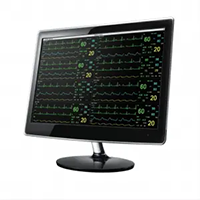 Central Monitoring System
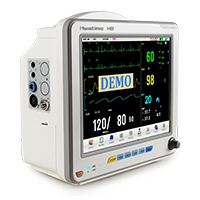 H Series Multi Parameter Patient Monitor
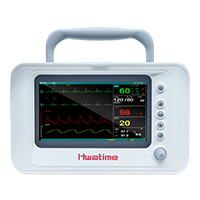 H5 Vital Signs Patient Monitor
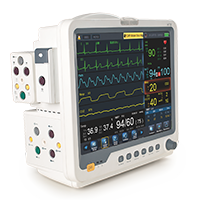 HT Series Semi-modular Patient Monitor
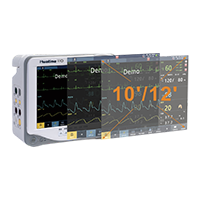 i Series Multi Parameter Patient Monitor
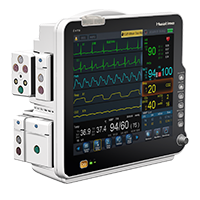 IHT Series Modular Patient Monitor
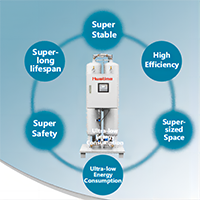 Oxygen Generator System
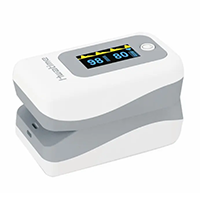 Pulse Oxymeter
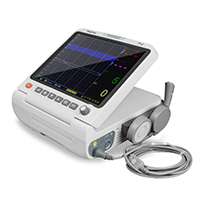 T Series Maternal Monitor/Fetal Monitor
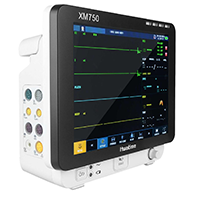 XM Series Multi Parameter Patient Monitor


