You know, cardiac monitoring really has become a vital part of healthcare today. Thanks to all the tech improvements, using a Cardiac Monitor is pretty much a must in patient care these days. This device keeps an eye on heart activity continuously, which is a huge help for both diagnosing issues and keeping track of treatments. It gives doctors real-time updates on heart rhythms, so they can jump in quickly if something’s off.
Patients? They definitely benefit from this constant watchfulness, especially when things get critical. A Cardiac Monitor can spot irregularities early on—that could literally save a life. Plus, with alarms set for certain parameters, healthcare pros can respond fast to any sudden changes. This tech really encourages a more proactive approach when managing heart conditions, leading to better overall outcomes.
Of course, it’s not all smooth sailing. Training technicians properly is so important—they need to be able to interpret alarm signals without getting overwhelmed. Sometimes, false alarms pop up, and that can cause “alarm fatigue,” making staff less responsive even when it really matters. So, finding the right balance between being responsive and avoiding false alerts is key for making sure patient care stays effective. Overall, understanding how crucial these devices are can really help us appreciate their role in the medical world.

Understanding Cardiac Monitors: A Brief Overview
Cardiac monitors are vital tools in modern healthcare. They continuously track heart rhythms and provide real-time data. This information helps healthcare providers make critical decisions. Such monitors can detect arrhythmias, which are irregular heartbeats. Early detection can prevent serious complications, but not all monitors are equally effective.
Many patients may feel overwhelmed by the technology. Education is important for understanding how these monitors work. They often come with leads attached to the skin, measuring electrical activity in the heart. Some patients might find the process uncomfortable. It’s essential to communicate concerns with healthcare professionals. A good relationship can enhance the monitoring experience.
The reliability of cardiac monitors can also vary. Data from one device may differ from another. Always consider the credibility of Cardiac Monitor Manufacturers. They play a crucial role in ensuring quality and accuracy. It’s worth exploring various options. Patients should feel empowered to ask questions and seek clarity about their monitoring devices. This dialogue fosters trust and improves patient outcomes.
Enhanced Heart Health Monitoring for Patients
Cardiac monitors have revolutionized heart health monitoring for patients. Research indicates that regular monitoring can lead to a 30% reduction in hospital admissions for heart-related issues. These devices allow patients to track vital signs in real-time, ensuring quicker response times during emergencies.
One significant advantage of using cardiac monitors is their ability to detect arrhythmias early. A study from the American Heart Association found that patients using wearable monitors detected irregular heartbeats 50% faster than those relying on traditional methods. Early detection can save lives. However, not all patients understand how to use these devices correctly, which can lead to gaps in monitoring effectiveness.
Moreover, data shows that patients who actively engage with cardiac monitors report higher satisfaction levels and improved health outcomes. Yet, there are still challenges. Not all patients have access to this technology, often due to cost or lack of education. There is a need for more inclusive solutions that ensure equitable access. As healthcare continues to evolve, addressing these gaps will be crucial for improving heart health monitoring across diverse populations.
Early Detection of Cardiac Issues Through Continuous Monitoring
The early detection of cardiac issues is crucial for patient health. A cardiac monitor plays an essential role in this process. According to recent studies, continuous monitoring can reduce the risk of adverse events by up to 30%. This is significant, considering that heart disease remains the leading cause of death globally.
Patients with cardiac monitors often experience quicker interventions. Real-time data allows healthcare providers to act faster. For example, a sudden spike in heart rate can indicate distress. Immediate alerts lead to timely care. With a cardiac monitor, the data is consistently available, allowing better assessments of patient conditions. However, this technology also raises concerns. Reliance on notifications can lead to anxiety in some patients.
Cost remains an important aspect, with Cardiac Monitor Price impacting accessibility. Some patients may hesitate to use this technology due to financial constraints. This can create disparities in care. Therefore, it's vital to address affordability while promoting awareness. Continuous advancements are essential in making these monitors widely accessible, but the conversation around their value must include potential drawbacks. Balancing innovation and patient comfort is key for effective use.
Remote Patient Monitoring and Its Impact on Healthcare
Remote Patient Monitoring (RPM) is transforming healthcare. It allows for continuous tracking of patients' heart health from anywhere. By using a cardiac monitor, patients can receive real-time feedback. This technology extends care beyond the clinic walls, enabling timely interventions. Patients benefit from reduced hospital visits and lower healthcare costs.
With RPM, healthcare providers gain valuable insights into patient conditions. Data collected from cardiac monitors help in early detection of issues. This facilitates personalized treatment plans tailored to individual needs. Yet, there is room for improvement in ensuring data accuracy. Technical failures can lead to misinterpretations. Healthcare professionals must remain vigilant and validate the data received.
Patients are empowered to take charge of their heart health. Participating actively can lead to better outcomes. However, not all patients have access to technology or knowledge. The challenge lies in bridging the digital divide. Discussions around Cardiac Monitor Price In Pakistan reflect the importance of affordability. Making these devices accessible is crucial for widespread adoption.
Top 10 Benefits of Using a Cardiac Monitor for Patients
This chart illustrates the top 10 benefits of using a cardiac monitor for remote patient monitoring. Each benefit is quantified based on its perceived impact on patient care and healthcare efficiency.
Improved Treatment Plans Based on Real-Time Data
Cardiac monitors have revolutionized patient care by providing data in real time. This immediate access allows healthcare providers to tailor treatment plans effectively. For instance, if a patient experiences irregular heartbeats, the monitor alerts clinicians instantly. This enables quick adjustments to medication or interventions, enhancing patient safety.
Real-time data can also reveal trends that aren't obvious during sporadic check-ups. Doctors can see how a patient's heart responds under various conditions. They can ask specific questions and gather relevant data. This leads to a deeper understanding of each patient's unique health profile. Yet, it requires continuous adjustments and a commitment to evolving care strategies.
However, challenges exist in interpreting this data. Healthcare professionals must balance technology with clinical judgment. Misinterpretations can occur, leading to unnecessary stress for patients. Care must be taken to ensure that data is not viewed in isolation. Continuous education for healthcare providers on using this data effectively is essential. The journey toward improved care through real-time monitoring is ongoing and must be approached thoughtfully.
Increased Patient Engagement and Empowerment with Cardiac Monitors
In recent years, cardiac monitors have transformed patient management. These devices empower individuals by providing real-time health data. According to a 2021 study by the American Heart Association, 79% of patients reported feeling more engaged in their care after using these monitors. This engagement leads to better health outcomes and increased adherence to treatment plans.
Patients often feel a sense of control over their heart health. They can track their vitals remotely and share data with healthcare providers. This transparency fosters trust. A report from the Journal of Medical Internet Research found that 65% of participants felt more accountable for their lifestyle choices while using a cardiac monitor. They are more likely to make positive changes, like adopting healthier eating habits or increasing physical activity.
However, challenges remain. Not all patients understand how to use these devices effectively. Some may feel overwhelmed by constant data. Regular training and support are crucial. Ensuring patients are comfortable with their monitors can alleviate anxiety and confusion. This ongoing education should focus on what data to prioritize and how to interpret it. Empowering patients through knowledge is vital for successful engagement.
Cost-Effectiveness and Accessibility of Cardiac Monitoring Solutions
Cardiac monitoring solutions have become increasingly cost-effective and accessible. Patients benefit from affordable options that ensure continuous heart health tracking. These devices are crucial for early diagnosis and treatment. Continuous monitoring empowers both patients and healthcare providers. They can mitigate risks associated with cardiac events, ultimately leading to improved health outcomes.
When considering cardiac monitoring, evaluate your needs carefully. Not all monitors are suitable for every patient. Some may offer more data than necessary, causing confusion. A simple yet effective Cardiac Multi Parameter Patient Monitor could be ideal for those new to monitoring.
Accessibility is also an important factor. Many healthcare providers now offer remote monitoring options. This means patients can receive quality care from the comfort of home. However, technology can be intimidating for some. Seek guidance from professionals to navigate these tools effectively.
Evaluating the Best High-Quality Multipara Patient Monitors: Focus on Hwatime's HT9 Modular System
In the realm of healthcare technology, the importance of high-quality Multipara Patient Monitors cannot be overstated. These systems are integral in delivering accurate, real-time data regarding patients' vital signs, enabling healthcare providers to make informed decisions swiftly. Among the multitude of options available, advanced modular systems like the HT9 demonstrate the capability to adapt to various clinical environments, thus enhancing their utility across diverse settings.
Recent market research indicates that the demand for Multipara Monitors is expected to grow substantially, driven by an increasing focus on patient-centered care and technological advancements. For instance, according to a report by MarketsandMarkets, the global patient monitoring systems market is projected to reach $29 billion by 2025, with a significant share attributed to multipara monitors. The versatility of such systems allows for the seamless integration of multiple parameters such as ECG, NIBP, and SpO2, which are critical for effective patient monitoring in acute care situations.
Furthermore, the functionality of modular systems like the HT9 goes beyond mere data collection. They offer enhanced connectivity options, allowing for more efficient data management and interoperability within hospital information systems. This is particularly vital as healthcare facilities increasingly adopt digital health solutions and aim for improved operational workflows. On the front lines of patient care, the ability to access consolidated patient data at a glance can significantly improve response times and patient outcomes in critical situations.
FAQS
: Cardiac monitors allow real-time tracking of heart health, leading to quicker interventions during emergencies.
They can detect arrhythmias 50% faster, enabling early intervention and potentially saving lives.
Continuous monitoring reduces adverse events by up to 30%, which is significant for heart disease patients.
Some patients do not understand how to use them, leading to gaps in monitoring effectiveness.
It allows continuous heart health tracking, reducing hospital visits and healthcare costs.
Anxiety may arise from notifications, and technical failures can lead to data misinterpretation.
High costs can limit accessibility, creating disparities in care among different patient populations.
Engaging actively with the technology can lead to better health outcomes, but not all have the knowledge.
More equitable solutions are necessary to ensure all patients can benefit from these technologies.
Addressing affordability and promoting awareness will be crucial for wider adoption and improved outcomes.
Conclusion
Cardiac monitors are essential tools in modern healthcare that facilitate enhanced heart health monitoring for patients. By providing continuous monitoring, these devices enable early detection of cardiac issues, allowing for timely medical intervention. The integration of remote patient monitoring significantly impacts healthcare delivery, offering convenience and improving access to specialist care.
Moreover, real-time data from cardiac monitors contribute to more effective treatment plans tailored to individual patient needs. This technology fosters increased patient engagement and empowerment, as individuals can actively participate in their own health management. Ultimately, the cost-effectiveness and accessibility of cardiac monitoring solutions make them invaluable in promoting overall cardiovascular health and improving patient outcomes.

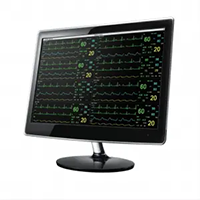 Central Monitoring System
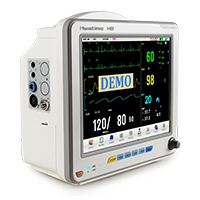 H Series Multi Parameter Patient Monitor
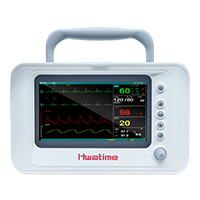 H5 Vital Signs Patient Monitor
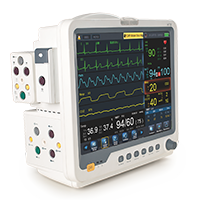 HT Series Semi-modular Patient Monitor
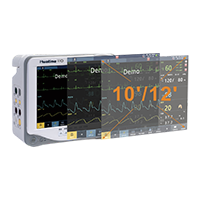 i Series Multi Parameter Patient Monitor
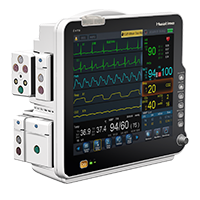 IHT Series Modular Patient Monitor
 Oxygen Generator System
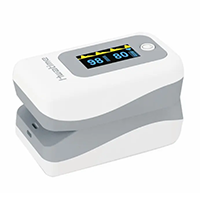 Pulse Oxymeter
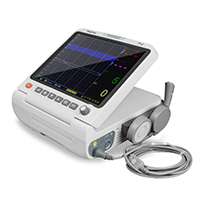 T Series Maternal Monitor/Fetal Monitor
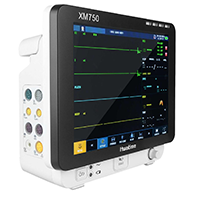 XM Series Multi Parameter Patient Monitor


