Lately, there’s been a real surge in demand for advanced Bedside Monitors. It’s pretty clear that healthcare priorities are shifting, and these devices are playing a bigger role than ever before. According to a report from MarketsandMarkets, the global market for Bedside Monitors is expected to hit around $7.8 billion by 2026 — that just shows how essential they’ve become in patient care. Basically, they help healthcare providers by providing real-time data, which means quicker, more informed interventions when they’re needed most. That said, not all monitors are the same, and shopping around can feel pretty overwhelming with all the different features out there.
When you’re choosing one, it’s worth looking at key things like Multi-Parameter capabilities, how easy they are to use, and whether they play nicely with electronic health records. Remote connectivity is becoming a big deal too, especially as telehealth keeps growing in popularity. The tricky part is finding that sweet spot — balancing the fancy features with your budget. Some top-of-the-line models can be super pricey and might not even offer everything you need for daily use.
Getting a handle on these details is really important. Picking the right Bedside Monitor can actually make a big difference in patient outcomes. So, it’s all about weighing the latest tech against what’s actually needed in your specific setting. As the market keeps changing, staying in the loop about new innovations is super helpful for healthcare pros trying to make the best choice.

Key Functions of Bedside Monitors in Patient Care
In 2026, bedside monitors remain integral to patient care, providing critical real-time data. These devices track vital signs like heart rate, blood pressure, and oxygen saturation. According to recent industry data, approximately 70% of patients in ICU depend on bedside monitors for continuous monitoring.
Key functions of bedside monitors include early detection of alarm events. A study found that timely alerts can reduce emergency situations by up to 30%. Additionally, these monitors often integrate with electronic health records, streamlining data access for medical staff. However, user interface complexities can lead to alarm fatigue, reducing response efficiency.
Moreover, bedside monitors now often feature advanced analytics capabilities. These tools analyze patient data trends over time, aiding in clinical decision-making. Yet, the accuracy of these monitors can vary based on environmental factors and device calibration. Ensuring reliable performance requires regular maintenance and user training, which are often overlooked in healthcare settings. Balancing technology use with human expertise remains a crucial reflection for healthcare providers navigating these advancements.
Essential Features for Vital Sign Monitoring
A reliable bedside monitor is crucial for effective vital sign monitoring in critical care settings. These devices track essential metrics like heart rate, blood pressure, and oxygen saturation. Accurate readings enable healthcare professionals to respond swiftly to changes in a patient's condition. This constant vigilance can avert potential complications and enhance patient safety.
Modern bedside monitors also offer features like alarm management and data storage. Alarms help clinicians react promptly to concerning changes. However, alarm fatigue can occur when too many alerts are triggered, potentially leading to oversight. Striking a balance between responsiveness and noise is key. Meanwhile, data storage allows for easy access to patient history, contributing to better clinical decision-making.
The interface is another essential aspect. A user-friendly display simplifies navigation for healthcare staff, reducing the chance of errors. Complex interfaces can create confusion, especially under stress. While technology advances, it is vital to ensure that monitors remain intuitive and responsive to user needs. Overall, selecting the right Bedside Monitor In Icu requires careful consideration of these critical features.
2026 Top Bedside Monitor Features Buyers Need to Know
Understanding Connectivity Options in Modern Monitors
Connectivity options are crucial for modern bedside monitors. Healthcare professionals require seamless integration with various systems. This connectivity ensures vital data is accessible in real-time. For instance, monitors should connect easily to electronic health records (EHRs). This feature facilitates an efficient workflow and improves patient care.
Wireless capabilities are becoming standard. They allow for remote monitoring of patients. However, not all hospitals have the infrastructure to support robust wireless networks. Some may struggle with interference or lack of coverage. This can lead to frustration and delays in patient monitoring. Bedside monitors should also support multiple protocols like Bluetooth and Wi-Fi to enhance connectivity.
Additionally, security is a significant aspect. With sensitive patient data at stake, protecting information is paramount. Many older systems lack updated security features. This vulnerability can jeopardize patient trust and safety. When assessing the Bedside Monitor Price, consider how these connectivity features will impact long-term care. Effective and secure communication in healthcare settings is essential for positive outcomes.
User Interface: Importance of Intuitive Design
An intuitive user interface is crucial for any Bedside Multipara Patient Monitor. In high-pressure environments like hospitals, healthcare professionals need to access information quickly. A cluttered screen can create confusion. A well-designed display simplifies navigation and enhances efficiency. Clear, concise icons and color-coded alerts can guide the user’s attention to critical data.
Healthcare staff benefit from seamless interactions with monitoring devices. When a monitor presents data in a logical flow, it reduces cognitive overload. This design thinking should feature customizable views. Customization allows clinicians to prioritize information based on their specific needs. However, not all designs facilitate this. Some monitors still retain outdated interfaces that can frustrate users.
Training is also a critical aspect of effective use. Staff may struggle with poorly designed systems, leading to errors. Continuous feedback from users can help refine these interfaces. It's essential to engage healthcare professionals in the design process. Their insights can lead to better choices that enhance usability. A focus on an intuitive design can significantly improve patient care and outcomes.
Battery Life and Portability Considerations
Battery life and portability are crucial factors when selecting bedside monitors for 2026. Many healthcare professionals rely on these devices in varied settings, such as hospitals, homes, and emergency clinics. Recent studies highlight that up to 70% of healthcare facilities prioritize battery life and portability when assessing bedside monitors. Devices that can operate for longer periods without requiring frequent charging are invaluable. This extends the time a monitor can function in critical situations.
Portability is another key consideration. Monitors must be lightweight and easy to move. Reports indicate that 55% of nurses find it challenging to transport bulky monitors. A monitor weighing under ten pounds is often preferred in dynamic environments, where quick movement is essential.
When choosing a monitor, consider how often it needs charging. Longer battery life means less downtime and higher reliability. A good rule of thumb is to look for devices that offer at least eight hours of battery life. Also, evaluate the ease of transporting the monitor. Will it fit easily in different settings? These factors are not merely technical specifications; they could significantly impact patient care.
Regulatory Standards and Safety Features
When choosing a Bedside Patient Monitor, understanding regulatory standards is crucial. These standards ensure the safety and effectiveness of medical devices. Each country has its own regulations, which can be complex. In the U.S., for example, the FDA oversees the approval process. This means that you must look for monitors that meet these stringent requirements to ensure they are reliable.
Safety features are another essential aspect. A dependable bedside patient monitor should include alarms for vital signs. These alarms alert healthcare professionals if a patient is in distress. Additionally, features such as patient identification and data encryption protect patient information. Seeking monitors with these capabilities boosts overall patient safety.
However, not all bedside patient monitors are created equal. Some may pass basic regulatory tests but lack advanced safety features. Hospital staff must examine not only the specifications but also real-world performance and user feedback. Understanding these nuances is key to selecting a monitor that truly enhances patient care.
Emerging Technologies Enhancing Bedside Monitoring
Emerging technologies are significantly transforming bedside monitoring. These advancements enhance patient care and improve the efficiency of healthcare providers. Continuous monitoring devices now integrate AI algorithms that detect subtle changes in patient vitals. This innovation can alert staff before critical conditions arise. Wireless sensors also contribute by eliminating the clutter of cables. They offer real-time data access, making monitoring seamless.
Using these technologies can sometimes lead to data overload. It's crucial for healthcare teams to focus on significant changes rather than every little fluctuation. Relying solely on technology can be risky; human intuition and experience are irreplaceable. Balancing tech and traditional methods is vital for effective patient care.
Regular training for medical staff on new features of bedside monitors is essential. Familiarity with equipment ensures timely responses in emergencies. Engaging healthcare teams with feedback on these technologies can promote improvements. Technology can aid immensely, but robust protocols and communication are key to leveraging these advancements effectively.
Exploring the Future of Patient Monitoring: Insights from Recent Industry Reports on Multi-Parameter Monitors like Hwatime's i10/i12
The advancement of patient monitoring technologies is set to transform the healthcare landscape significantly. Recent industry reports emphasize the growing demand for multi-parameter monitors, which are becoming increasingly vital in both hospital and homecare settings. With the integration of innovative features such as real-time data analytics and improved connectivity, these monitors are capable of providing comprehensive insights into a patient’s health status. For instance, studies reveal that the global market for multi-parameter monitoring systems is projected to expand at a compound annual growth rate (CAGR) of over 10% from 2023 to 2030, driven by rising chronic disease prevalence and an aging population.
Notably, innovative products like the advanced multi-parameter monitors exemplify how technology is enhancing patient care. Features such as non-invasive measurement techniques and wearable sensors allow healthcare professionals to monitor vital signs seamlessly. Research indicates that these monitors can reduce patient readmission rates and enhance care coordination, ultimately leading to better health outcomes. A notable report highlighted that hospitals utilizing multi-parameter monitoring systems saw a 30% increase in the efficiency of clinical workflows, demonstrating the efficacy of these tools in assisting healthcare providers.
Furthermore, the ability of these monitors to facilitate remote patient monitoring is becoming increasingly critical as telehealth gains traction. By enabling continuous monitoring beyond the hospital environment, they help bridge gaps in patient care. Reports indicate that 70% of healthcare providers believe that remote monitoring technologies will play a crucial role in future health management strategies. As the industry moves toward a more patient-centered approach, the capabilities offered by multi-parameter monitors will undoubtedly redefine how healthcare organizations operate and deliver care.
FAQS
: Bedside monitors track vital signs, alert staff to alarm events, and integrate with electronic health records.
Timely alerts can reduce emergency situations by up to 30%, allowing for quicker responses.
Alarm fatigue can reduce response efficiency, leading to potential oversight in critical situations.
Regular maintenance ensures reliable performance, as environmental factors can affect monitor accuracy.
Essential features include alarm management, data storage, and user-friendly interfaces for healthcare staff.
Longer battery life is crucial; it ensures reliability during critical situations without frequent charging.
Monitors should be lightweight and easy to transport to adapt to dynamic healthcare environments.
Environmental factors and improper device calibration can lead to varying accuracy in readings.
Complex interfaces can create confusion under stress, increasing the chance of user errors.
Aiming for monitors with at least eight hours of battery life is advisable for seamless operation.
Conclusion
The article "2026 Top Bedside Monitor Features Buyers Need to Know" emphasizes the critical role of bedside monitors in patient care, outlining key functions that enhance vital sign monitoring. Essential features include accurate tracking of parameters such as heart rate, blood pressure, and oxygen saturation, which are crucial for effective patient management. The discussion also highlights modern connectivity options that allow for seamless data sharing among healthcare systems, ensuring that patient information is readily available for timely decision-making.
Furthermore, the user interface of bedside monitors is underscored for its importance in facilitating intuitive interaction, which is vital for quick assessments in high-pressure environments. Considerations of battery life and portability are essential for ensuring that monitors are usable in various settings, especially during emergencies. Compliance with regulatory standards and the integration of emerging technologies are also noted as factors that enhance safety and efficiency in bedside monitoring, ultimately improving patient outcomes.

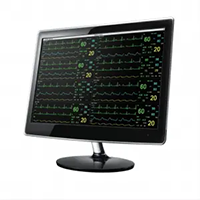 Central Monitoring System
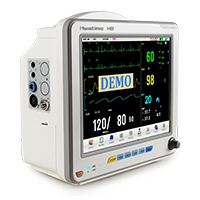 H Series Multi Parameter Patient Monitor
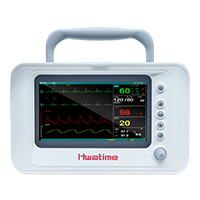 H5 Vital Signs Patient Monitor
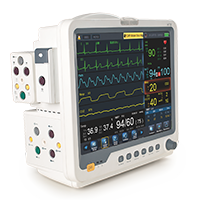 HT Series Semi-modular Patient Monitor
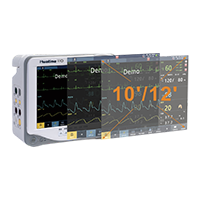 i Series Multi Parameter Patient Monitor
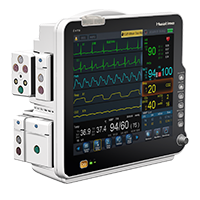 IHT Series Modular Patient Monitor
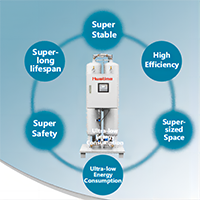 Oxygen Generator System
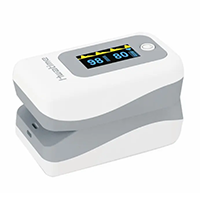 Pulse Oxymeter
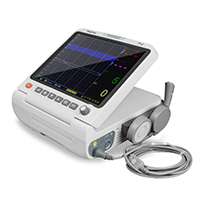 T Series Maternal Monitor/Fetal Monitor
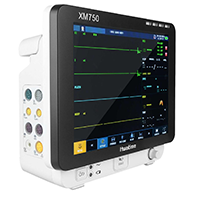 XM Series Multi Parameter Patient Monitor


